The Affair Is Not the Problem Right Now: Director Changhee Lee’s runaway tale of infidelity... "The key to directing is creating movement and planning rehearsals" [Interview]
- Input
- 2026-08-19 08:19:19
- Updated
- 2026-08-19 08:19:19
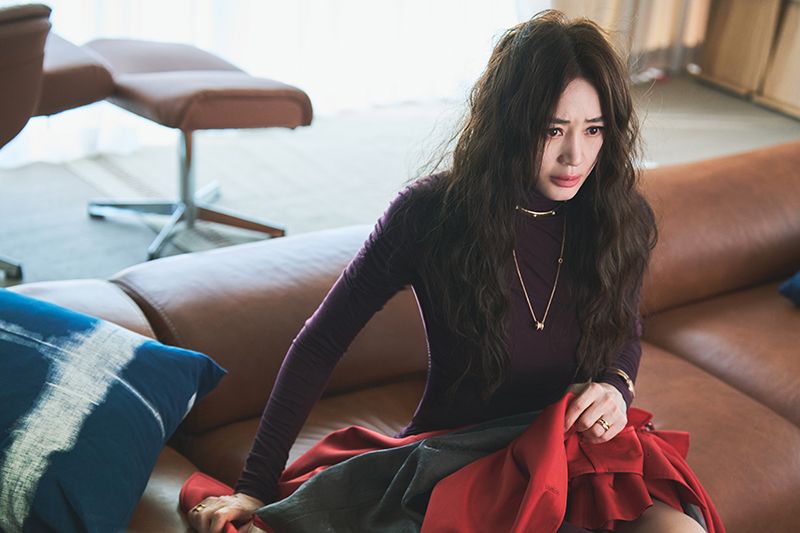
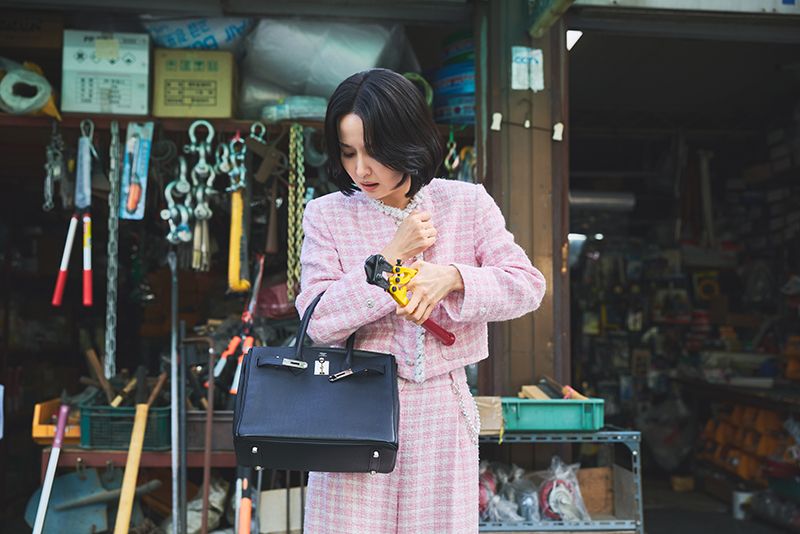
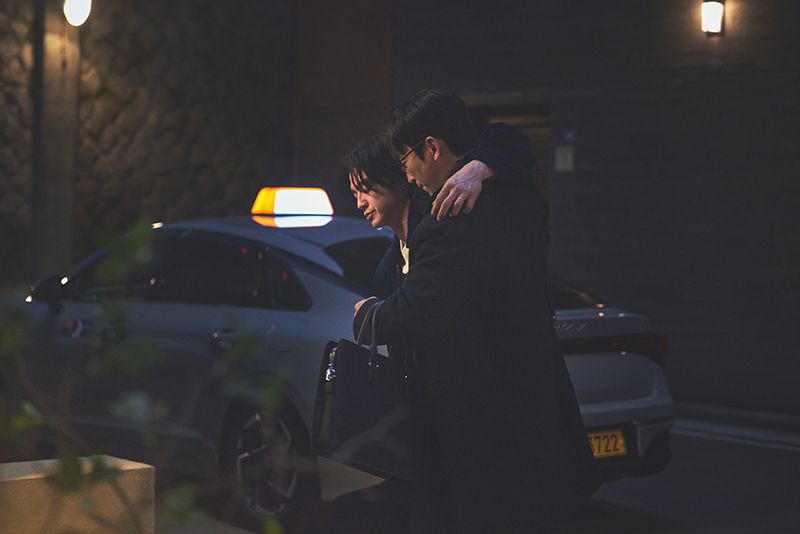
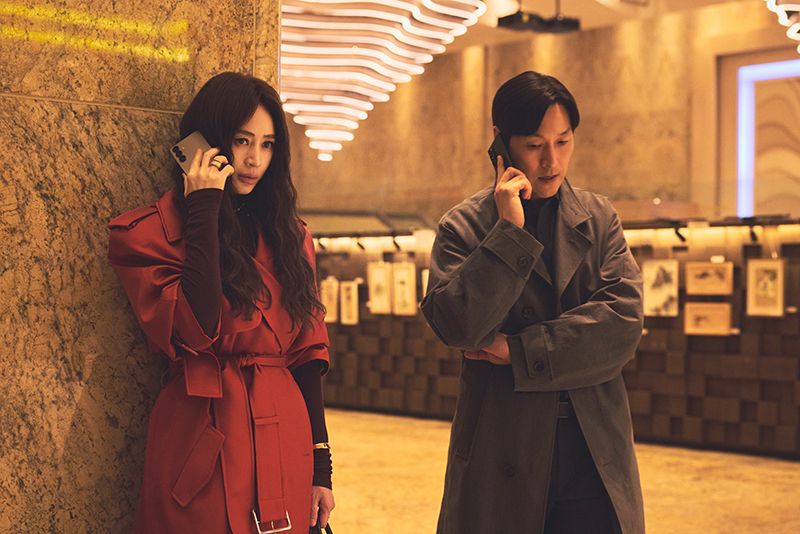
[Financial News] "I tried hard to make even one thing look different. I struggled to do things I had never done before, and I worked not to do what felt obvious."
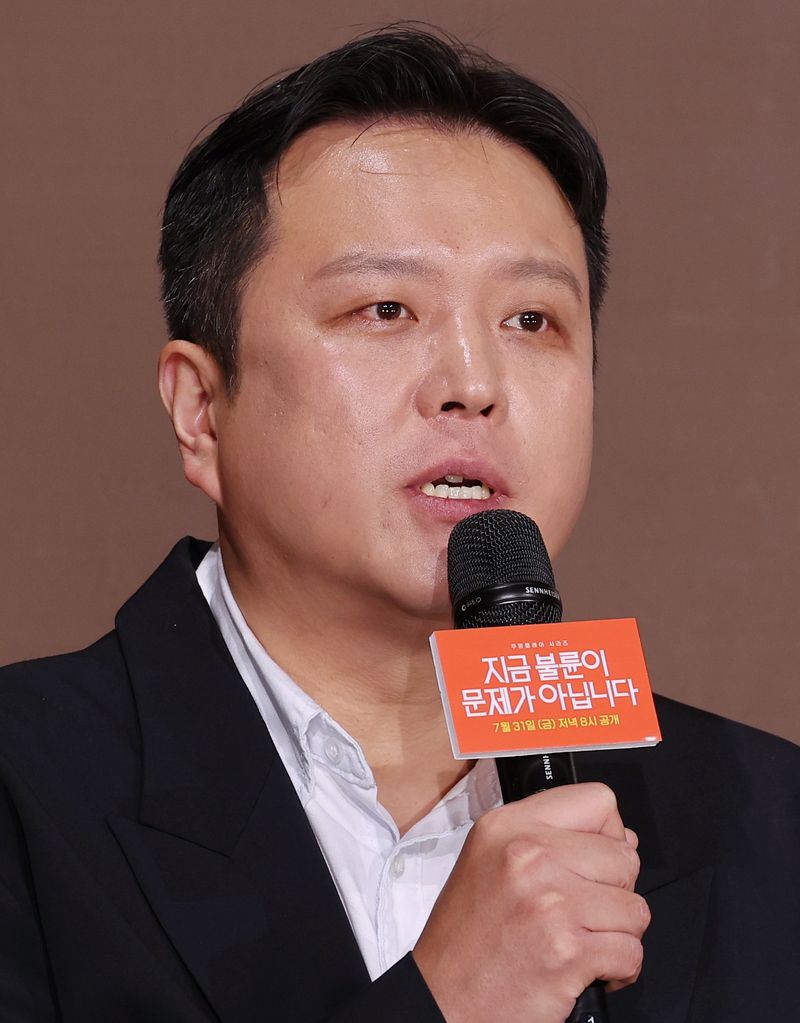
Director Changhee Lee, who helmed the Coupang Play series "The Affair Is Not the Problem Right Now," explained the directing philosophy behind the work in this way during an interview at a cafe in Samcheong-dong, Seoul, on the 11th. He has earned recognition for his sharp and meticulous direction through films such as "The Vanished" and dramas including "Strangers from Hell" and Netflix's "A Killer Paradox."
Produced by "Squid Game" producer Kim Ji-yeon and director Hwang Dong-hyuk, "The Affair Is Not the Problem Right Now" is a black comedy about an influencer couple who gained popularity by showcasing a happy family, and their next-door neighbors, a doctor couple locked in a messy divorce lawsuit, as they spiral after becoming entangled in an unbearable secret that makes even infidelity seem trivial.
"I agreed to direct as soon as I read the script."
The series rose to No. 1 among Coupang Play's most popular titles in its first week of release, and its viewing volume then climbed an additional 169%. Buoyed by that momentum, it also became the platform's most-watched series of all time.
The familiar setup in the early episodes expands as the story unfolds through a series of twists and clashes among the characters. As of the 19th, five episodes had been released, and Lee said the incidents that begin with infidelity spread in unpredictable directions before converging at a single point in the later part of the series.
Lee said he was drawn to the script's unexpected turns and wit when he first encountered it. After reading the four-episode script, which had originally started as a film screenplay, he gladly decided to direct because he wanted to know what happened next.
"It was the kind of work I usually like, and I felt I could do it well. As I read it, directing ideas kept coming to mind," he said. "The ending was not clearly defined at first, but once I came up with an idea for it, I also took part in the adaptation process."
At the center of the complex story is Kyung-hee, played by Kim Hye-soo. Even when the narrative moves far beyond the central issue of infidelity, Lee structured it so that everything eventually returns to Kyung-hee.
Almost every scene was storyboarded... "Planning rehearsals is the core of my directing"
The series' refined mise-en-scène began with thorough preproduction planning. Unusually for a series, Lee prepared storyboards for virtually every scene.
"When there is a storyboard on set, it puts everyone at ease, and the actors can see how the scene will come together," Lee explained. "It also helps the actors decide where to focus their energy, which makes the work more efficient."
On Lee's set, rehearsals were just as important as storyboards. The process began by completing the actors' performances and blocking, creating a single framework before placing the camera inside it. The shot structure was carefully designed in advance, but once filming began, the camera was allowed to follow the actors' emotions and movements.
"I put a lot of effort into rehearsals. Creating movement and planning rehearsals are the essence of directing," he said. "It is almost like theater."
Episode 7 unfolds like a play... 40 minutes in real time
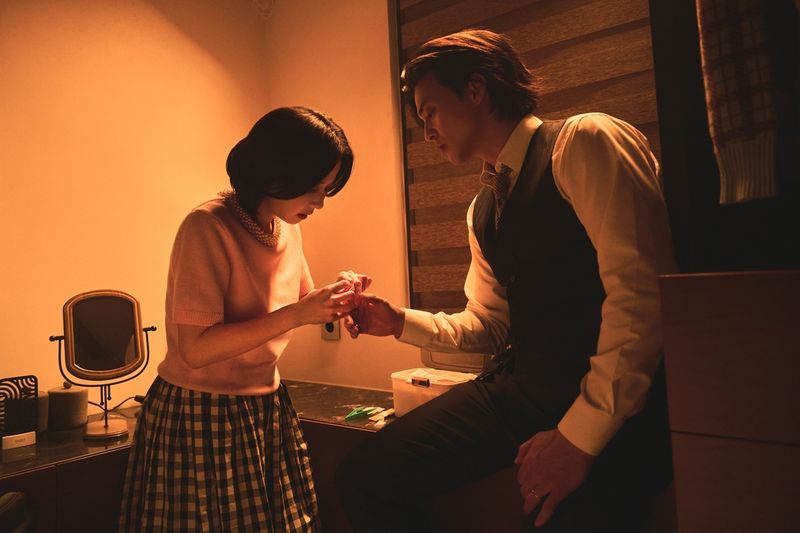
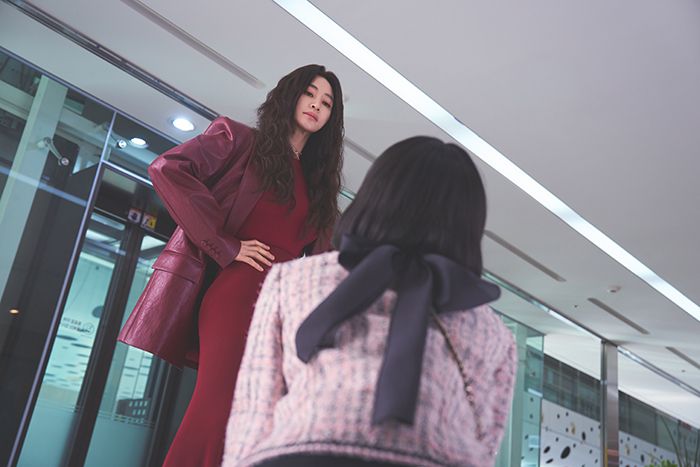
Episode 7 is the one that most fully concentrates this directing approach. Multiple characters move along their own paths, only to become entangled and collide with one another. The roughly 40-minute story is structured in real time, with the drama's timeline and the actual running time unfolding almost identically.
Lee described it as "a more theatrical approach that is not often attempted in Korean productions." He added, "The scenes are divided, but there is a sequence that flows with a single rhythm. It is difficult to make because the characters move in their own ways and become tangled together, but I feel a thrill as a director when I create scenes like that."
He prefers to shoot a scene carefully with a single camera rather than breaking it into too many cuts. In one conversation scene in Episode 6, he also captured other characters approaching through a doorway in a long take.
He also places great importance on movement. "Viewers will feel that the actors move a lot. The more blocking there is, the longer the camera has to travel," he said. "Still, I wanted to express even one thing differently. I wanted to try what I had not done before and avoid the methods that seemed obvious."
[email protected] Shin Jin-a Reporter