RSU Value Swings by 270 Billion Won: Hanwha's Kim Dong-kwan Sees Wealth Move in Step With Stock Prices
- Input
- 2026-08-17 07:43:23
- Updated
- 2026-08-17 07:43:23
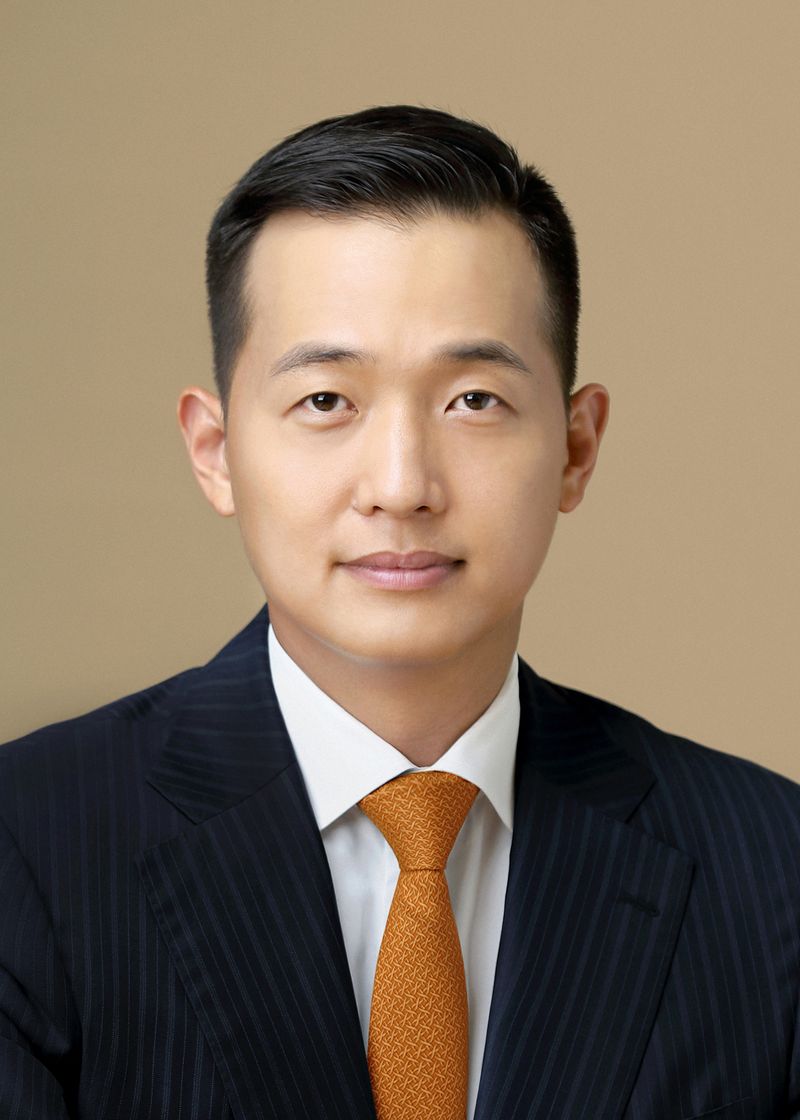
[Financial News] The market value of the restricted stock units (RSUs) held by Kim Dong-kwan, senior vice chairman of Hanwha Group, has been estimated at nearly 270 billion won. The surge in Mobile Tactical Cannon program shares drove the increase. Even a 20% swing in the stock price in the first half alone can change the value by hundreds of billions of won.
According to the industry on the 17th, the market value of the RSUs Kim received from Hanwha Corporation, Mobile Tactical Cannon program and Hanwha Solutions stood at 268.2 billion won as of the end of 2025, based on the semiannual report. The figure is calculated by multiplying the number of unpaid RSUs he has yet to receive by the closing price at the time. It fluctuates as sensitively as the dollar exchange rate, depending on gains and losses in the stock market.
The value of the RSUs tied to Mobile Tactical Cannon program accounts for 165.1 billion won, or 61.6% of the total. The stock, which was in the 100,000-won range as recently as 2023, soared to the 941,000-won range last year on a rally in defense stocks, lifting the value sharply. By a simple calculation, a 100,000-won drop in the share price would erase 17.5 billion won from the RSU value alone.
This illustrates just how volatile executives' paper wealth can be. Unlike stock options, RSUs preserve value at market prices even when share prices fall.
RSUs, introduced by major U.S. Big Tech companies, were designed to attract top talent and drive long-term performance. At Apple and Microsoft, among others, they are broadly applied even to middle managers and technical staff.
In South Korea, Hanwha first introduced the system in 2020, and Naver, Coupang, Doosan, KRAFTON and EcoPro later followed. However, the key point is that the system is mostly centered on major shareholders and owner families.
Park Jung-won, chairman of Doosan Group, received 45.58 billion won in compensation in the first half of this year, the highest among the heads of major conglomerates in South Korea. Of that amount, the assessed value of his RSUs was 37.6 billion won, accounting for 82.5% of the total. That means RSUs granted three years ago have grown 13-fold at current share prices. It also reflects how sharply Doosan shares have risen over the same period. Had the stock not climbed, the figure would likely have remained in the tens of billions of won.
According to Hanwha, "the market value can change depending on the stock price at the time of payment, up to 10 years after the grant date." This means Kim will be able to receive the RSUs in stages each year starting in 2030.
If the current share price is maintained or rises further, the RSU payouts beginning in 2030 are expected to reach an unprecedented scale in the history of executive compensation in South Korea. Even if the stock price falls, the market value is still guaranteed, so the worst-case scenario has already been priced in.
The business community says RSUs are meant to "enhance shareholder value by motivating executives." The idea is that when stock prices rise and executives' assets grow, that aligns with corporate performance.
[email protected] Kang Gu-gwi Reporter