[Editorial] Yongsan Park Is a Long-Term National Project; Hasty Housing Construction Must Be Avoided
- Input
- 2026-08-16 18:54:53
- Updated
- 2026-08-16 18:54:53
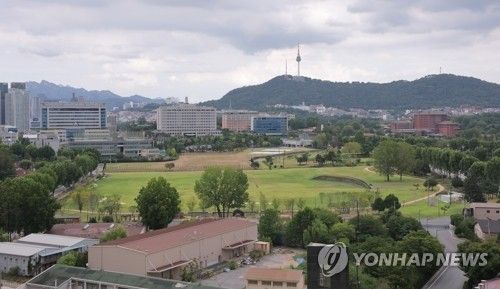
First, the plan cannot move forward without revising the Special Act on the Creation of Yongsan Park, which was enacted more than 20 years ago. The law clearly states that the site must be developed only as a park. Amending it to create a basis for converting the land into housing would fundamentally alter the identity of Yongsan Park. A proposal to supply housing in Yongsan Park has only just been raised, and if the related bill later passes the plenary session of the National Assembly, the sequence of procedures would effectively be reversed.
Yongsan Park should not be viewed as merely idle land. Historically, the area is a site that records the presence of foreign troops. It is also now effectively the only large green space left in central Seoul. Environmentally and historically, the significance of the Yongsan Park site is far greater than that of other places. Seoul's urban planning, which must look ahead a century, should be even more cautious about how Yongsan Park is used. Green space must not be damaged in pursuit of short-term housing supply targets. That would be like the current generation consuming assets meant to be passed on to the next.
Moreover, the Yongsan site was used by U.S. forces for military purposes for many years, so soil contamination must be addressed first. Given the cost and time required to clean up the polluted ground, it is difficult to see the area as land that can immediately be used for housing.
Most disappointing of all is the rush to designate Yongsan Park as a candidate site for housing supply. If the housing shortage in central Seoul is severe, other options such as revitalizing redevelopment projects or supplying new town volumes earlier should be examined first to the fullest extent. Only if those prove insufficient would it be reasonable to discuss park land as a last resort. Yet the government appears to be putting the park site card on the table before fully explaining the limits of other alternatives. There are also limits to easing redevelopment regulations or pursuing high-density development around transit stations. Still, if such measures can help ease immediate concerns over housing supply in the real estate market, they could serve as alternatives.
If the government pushes ahead in this way, even meeting the actual supply schedule will not be easy. Public opposition to the administration's plan will inevitably disrupt the project. Moreover, once a city loses space, it is difficult to restore. If a large green area is damaged even once, recovering it becomes even harder. The government must recognize the gravity of the fact that the scars left by hasty development cannot easily be undone by any policy later on.