"The all-round SUV that's hard to fault"... BMW X3 30 xDrive [Kkiddongchan Mobility]
- Input
- 2026-08-16 05:59:00
- Updated
- 2026-08-16 05:59:00
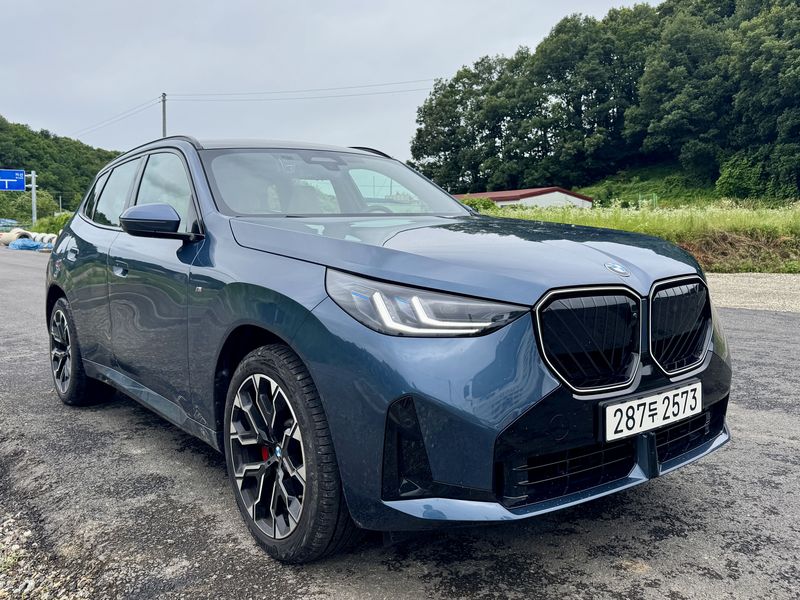
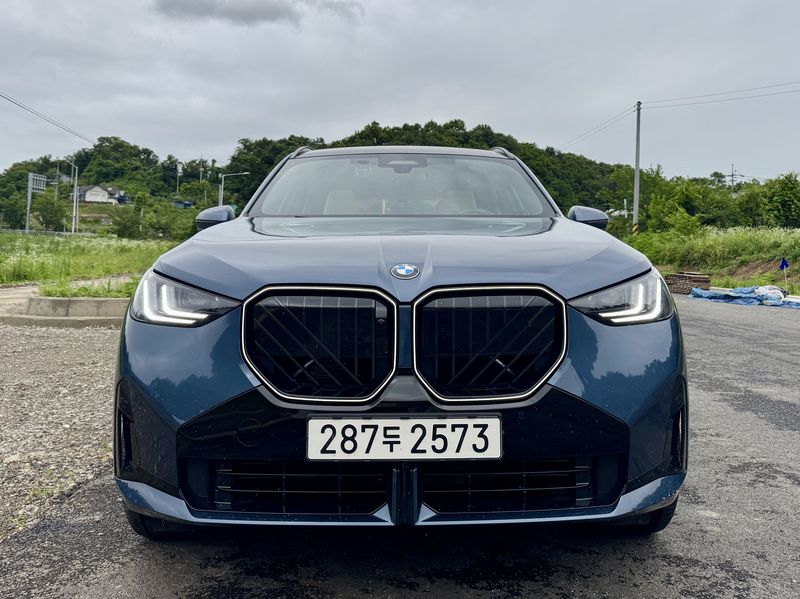
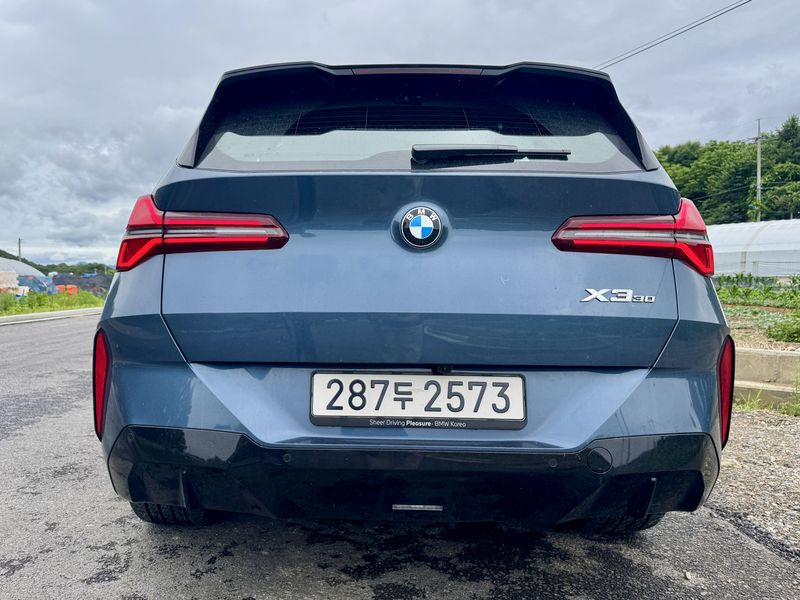
The X3 first debuted in 2003, opening the premium midsize Sports Activity Vehicle segment. It has sold 3.5 million units worldwide and more than 50,000 in Korea since its local launch in 2004. It was redesigned into its fourth generation last November, and the tested 30 xDrive is the higher-powertrain model added to the lineup. It is sold only in the M Sport Package Pro trim.
The test drive covered both city streets and highways. In a word, this car is about balance. Rather than letting any one trait dominate, its powertrain, ride comfort and steering work together without clashing.
First, the powertrain. A 2.0-liter BMW TwinPower Turbo four-cylinder gasoline engine produces 258 horsepower and 40.8 kg·m of torque. It is paired with a 48-volt mild-hybrid system that adds up to 11 horsepower. The car accelerates from zero to 100 km/h in 6.3 seconds, and top speed is electronically limited to 240 km/h. On paper, the numbers may seem ordinary, but in real-world driving the strength of this powertrain lies in its sufficiency. It has no trouble with highway merging or passing, yet it never feels excessive. The eight-speed automatic shifts so smoothly that acceleration flows as one seamless motion.
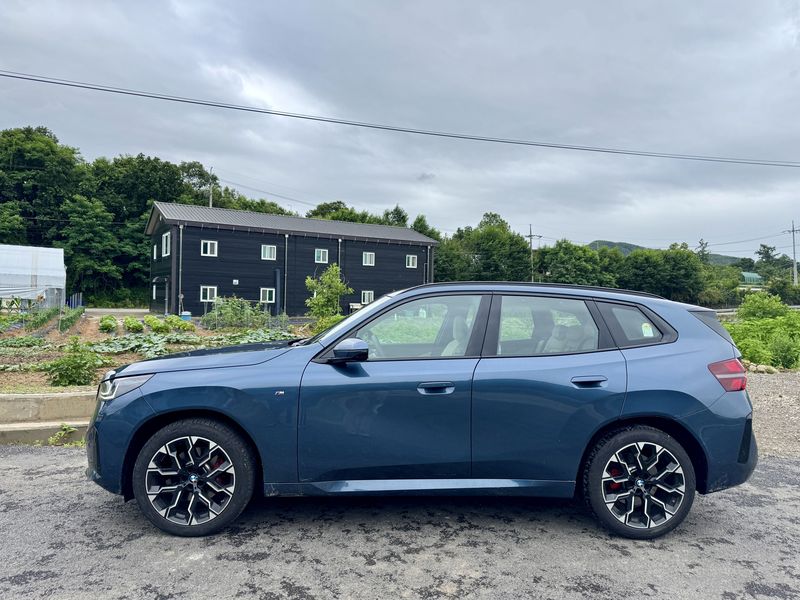
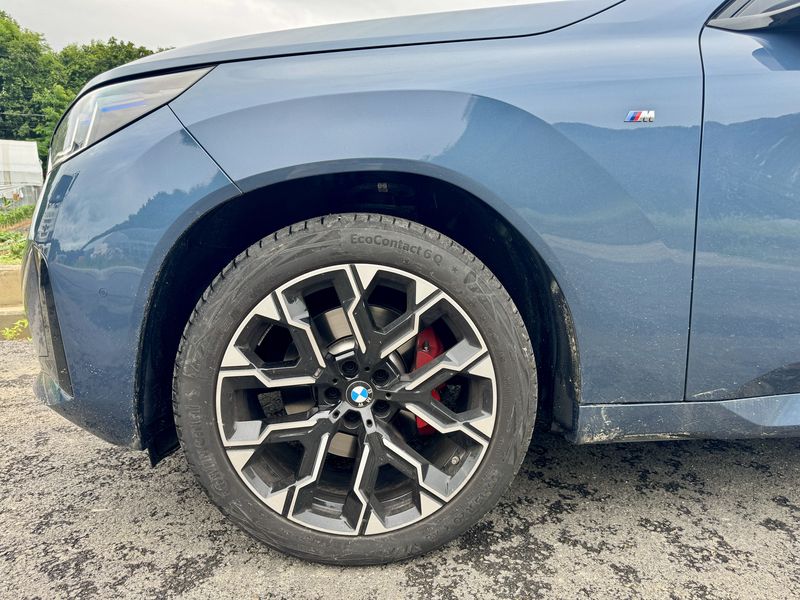
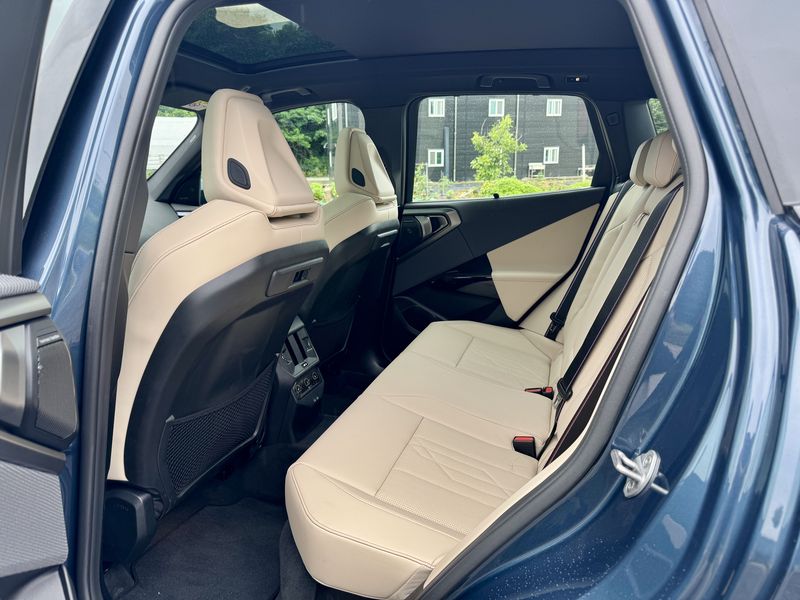
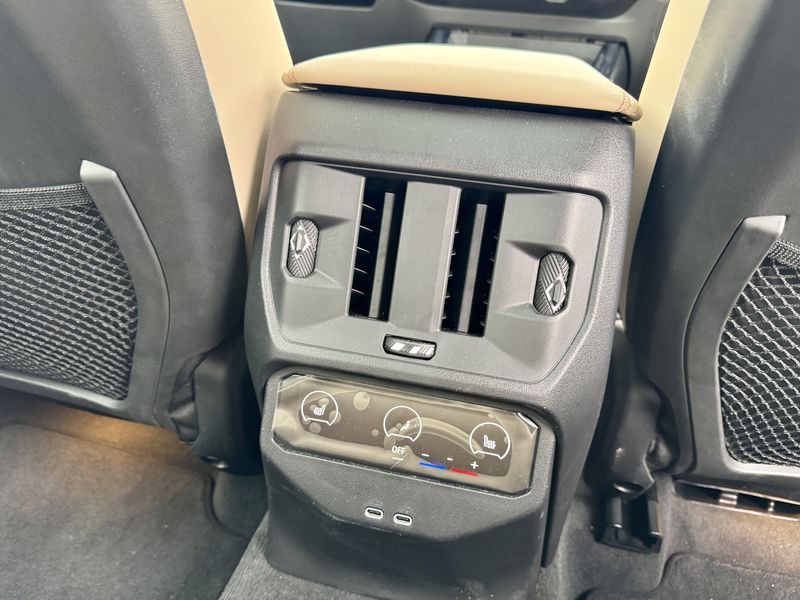
Switch to Sport mode, and the character changes. The suspension firms up, and the body sits lower and more planted on the road. On a winding road connecting city streets and highways, the body stayed composed without leaning heavily. The steering is set up in the classic way, light at low speeds and heavier at higher speeds, which made it easy to handle even in tight parking lots. Between the burden of driving a large vehicle and the nimbleness of a small one, this car finds a very good middle ground.
The 48V mild-hybrid system mainly helps efficiency. By recovering energy during deceleration and assisting takeoff, it delivers respectable fuel economy for a 2.0-liter gasoline all-wheel-drive SUV. The official combined fuel economy is 10.9 km/L. That said, in stop-and-go traffic there were moments just before the car came to a halt when the engine shutting off and restarting was slightly noticeable.
Inside, a curved display combining a 12.3-inch instrument cluster and a 14.9-inch control display anchors the cabin. An interaction bar stretching across the dashboard adds atmosphere through lighting. The operating system is BMW Operating System 9, based on Android, and it feels as intuitive as using a smartphone. It was also welcome to see TMAP-based Korean navigation included as standard.
Driver assistance is another strength. Driving Assistant Professional, which includes Adaptive Cruise Control (ACC) with stop-and-go functionality, lane change assist and lane keeping assist, comes standard. On steady highway stretches, it automatically maintained distance from the car ahead and kept the vehicle centered in its lane, reducing fatigue on long drives.
Parking Assistant Plus can find a parking space on its own and take over steering. It is especially useful for drivers who find parking stressful. However, in complex urban areas where lane markings are often broken, lane recognition occasionally wavered, requiring driver intervention.
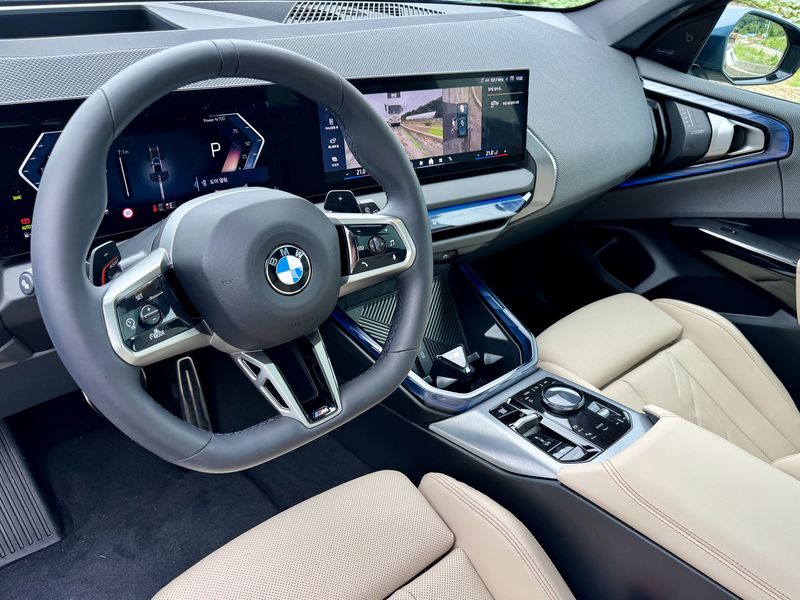
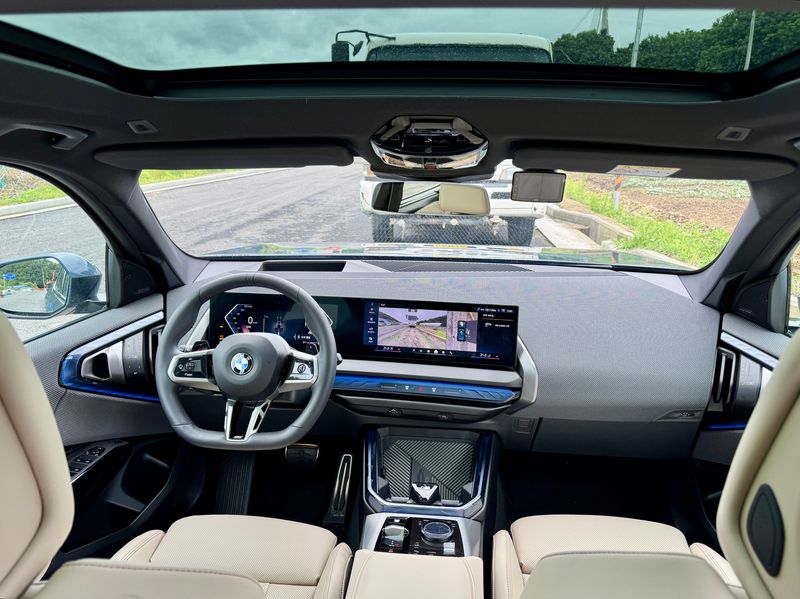
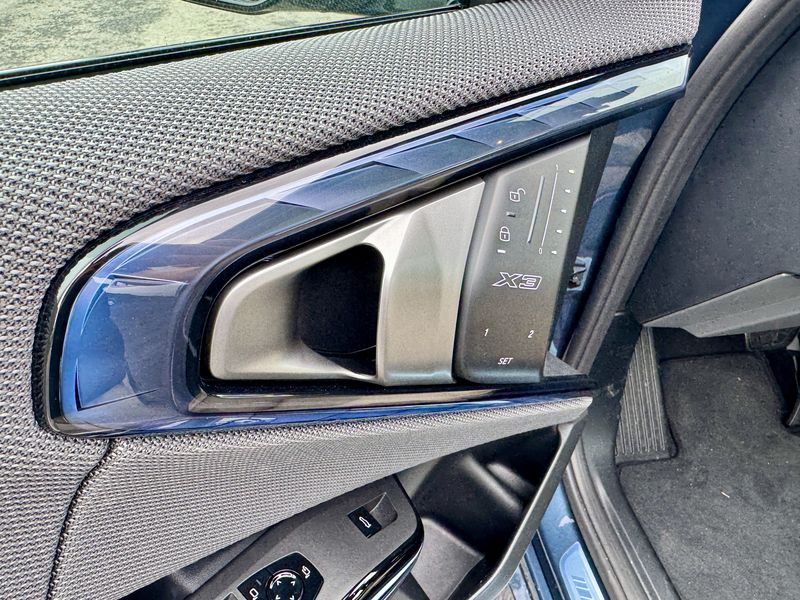
There are, however, a few drawbacks. The recycled material used on the dashboard, called the luxury dashboard, feels fine to the touch, but its woven texture is visually noticeable and falls a bit short of what one expects from a vehicle in the mid-80 million won range. The weave stands out especially under bright sunlight. The vegan-material sports seats are well executed, which makes the dashboard material stand out even more by comparison.
After driving the BMW X3 30 xDrive on both city roads and highways, it came across as a car that does not lean too far in any one direction. Its 258-horsepower output is ample without being excessive, and the adaptive suspension shifts between comfort and firmness depending on the mode. It combines sedan-like quietness, SUV space and driving enjoyment in equal measure. Rather than chasing the highest score in any single category, it is the kind of car that earns consistently high marks across the board. It suits drivers who want a daily car that is practical but never boring. The domestic price of the BMW X3 30 xDrive M Sport Package Pro is 86.3 million won, including tax.
[email protected] Kim Dong-chan Reporter