[Editorial] Why the Gwangju semiconductor project gets a blitzkrieg, but Yongin does not
- Input
- 2026-08-12 18:17:35
- Updated
- 2026-08-12 18:17:35
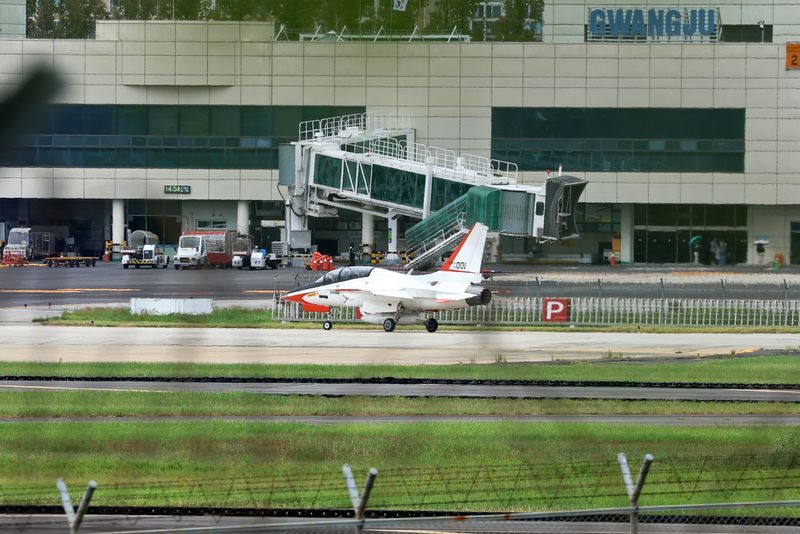
A semiconductor fab cannot be built simply by securing land. It requires the stable supply of massive amounts of electricity and water, along with the necessary infrastructure. Industrial complex designation, a range of permits, and environmental issues also have to be resolved. The government has announced large-scale supply plans for the power and water needed in Gwangju, but whether those facilities can actually be built in time for fab completion is another matter. A concrete implementation plan must come first, one that can clear construction schedules and regulatory bottlenecks.
It took SK hynix six years from its initial plan in 2019 to the start of construction on its first fab in the Yongin Semiconductor Cluster. Land compensation, permits, and the securing of power and water all slowed the project. Construction on the first fab began in February last year and is still underway, with completion targeted for next year. For the second fab, a 35 trillion won investment plan was recently finalized, and construction is scheduled to begin in July next year. The schedules for the third and fourth fabs have not yet been specified in detail. Even so, the government has proposed moving up the completion date for all four fabs by 12 years, from 2045 to 2033.
Warnings from the field suggest that this kind of speed campaign is not as easy as it sounds. Chey Tae-won, chairman of SK Group, recently said of the plan to bring forward completion of the Yongin cluster by 12 years, "It sounds good to say 12 years, but it is by no means an easy thing." A month earlier, when asked about the next semiconductor production base, he said that the necessary conditions, including power, water, and labor, must all be in place, adding, "Right now, we are focusing on the Yongin cluster." In the end, what matters is not only announcing a new industrial complex, but also delivering the infrastructure on time and building factories that can actually operate.
Yet the government now envisions compressing into just a few years in Gwangju a process that took years in Yongin. It is true that Gwangju Air Base is a large state-owned site, which makes land compensation and site acquisition easier. Even so, completing a fab from scratch in just a few years is an unprecedented pace. If that is possible in Gwangju, then why should it not be possible in Yongin, where hundreds of trillions of won in investment are already under way?
The same blitzkrieg principle that is said to be possible in Gwangju should also be applied to Yongin. The government should provide full support to see whether the start of construction for the second fab can be brought forward further, and whether the construction period for the transmission network and water facilities can be shortened. Completing Yongin ahead of schedule, after companies have already promised astronomical investments, is just as urgent as presenting a new blueprint for Gwangju. Yongin is not a competing industrial complex to Gwangju. The outcome of the Yongin cluster will become the test case that determines whether Gwangju can succeed.