Colombia quake death toll tops 250 as overnight rescue efforts fail to stem mounting damage
- Input
- 2026-08-12 06:37:50
- Updated
- 2026-08-12 06:37:50
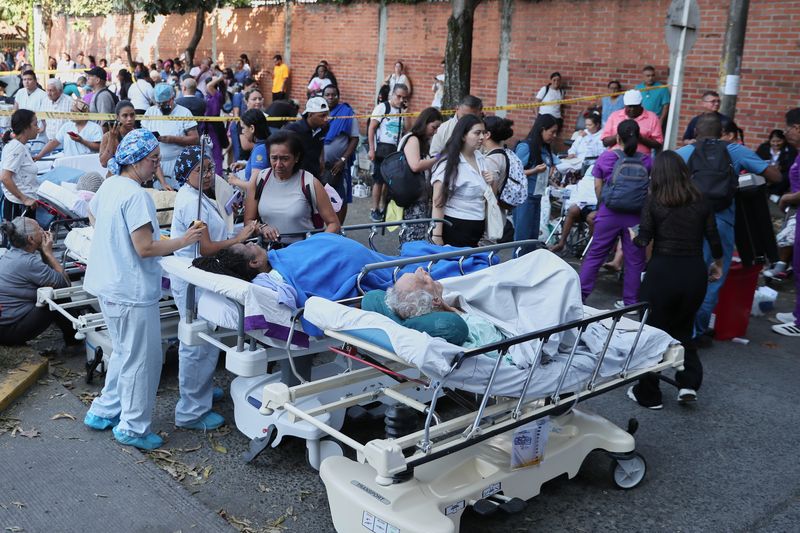
[Financial News] The death toll from the magnitude 7.4 earthquake that struck western Colombia in South America has climbed above 250. Rescue teams are continuing overnight searches through the rubble of collapsed buildings, but with many people still missing and communications cut off in some areas, the number of casualties is likely to rise further.
Colombian authorities said on the 11th local time that at least 254 people had been killed in the quake. The death toll is rising quickly as rescue operations continue.
The earthquake hit western Colombia at around 7:34 a.m. on the 10th. The United States Geological Survey (USGS) said the magnitude 7.4 quake struck about 5 kilometers east of San Jose del Palmar in Choco Department. The epicenter was measured at a depth of about 107 kilometers.
Major cities in western Colombia took the brunt of the damage. Buildings collapsed or were severely damaged in Cali, Pereira, Manizales, and Quibdó.
Risaralda Province, home to major coffee-growing areas, was hit especially hard. Pereira, the provincial capital, was close to the epicenter, and repeated building collapses caused heavy casualties.
Cali, Colombia's third-largest city with a population of more than 2 million, also suffered extensive damage. Part of a hospital collapsed, trapping patients inside, and hundreds of patients received temporary treatment outside after normal care became impossible.
In the affected areas, rescue teams and residents are using heavy equipment and even their bare hands to clear debris and search for survivors. Aftershocks have continued since the quake, and rescue work is being carried out amid the risk of further collapses.
Damage to infrastructure is also mounting. More than 5,000 homes have been damaged, and some airports have been closed. With electricity, water, and communications cut off in parts of the affected region, it is difficult to assess the full scale of the damage.
The Colombian government has declared a national emergency and deployed the military and rescue personnel to the affected areas. It also sent additional security forces to Cali, where looting has been reported, to maintain order and search for missing people.
The quake struck just three days after Abelardo de la Espriella was inaugurated as president of Colombia.
The conservative president, who took office on the 7th, launched his administration with pledges of a tough response to drug crime and armed groups, as well as a smaller government structure. But the immediate aftermath of the inauguration has brought a national disaster, the largest earthquake in Colombia in the 21st century, putting the new government's crisis response capabilities to the test.
President Abelardo de la Espriella called for an all-out response to support the affected areas. The government also decided to launch a three-month economic support program for the disaster zones.
International assistance has also begun. The United States and the Inter-American Development Bank (IDB) have moved to provide funding for emergency relief and reconstruction, and the United Nations is expanding its local support staff.
Economic fallout is also a concern, given that the affected region is one of Colombia's main coffee-producing areas. The western highlands, including Risaralda, are among the country's leading coffee-growing regions. If damage to roads, power lines, and other infrastructure continues for a prolonged period, coffee production and transport could also be disrupted.
It will likely take more time before the full extent of the damage becomes clear. In mountainous and jungle areas such as Choco Department, many places remain cut off from communications and roads. Some areas have still not been reached by rescue teams, and Colombian authorities are preparing for the possibility that the death toll will rise further.
[email protected] Kim Kyung-min Reporter