LG Electronics researcher files compensation lawsuit 10 years later; Supreme Court says statute of limitations is not yet settled
- Input
- 2026-08-11 12:00:00
- Updated
- 2026-08-11 12:00:00
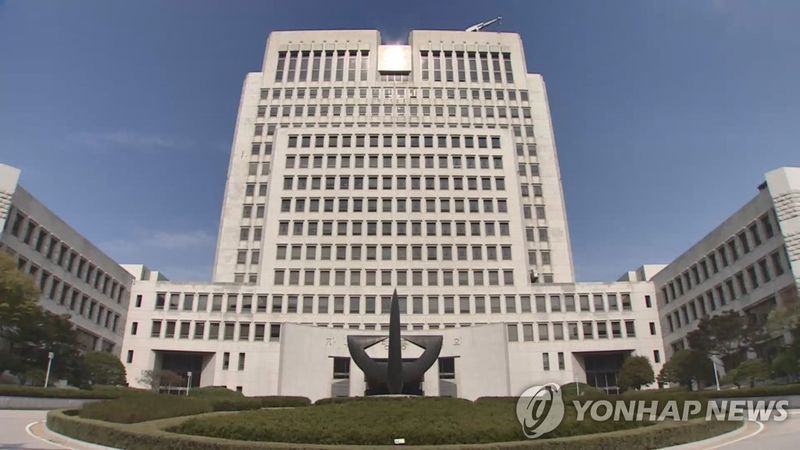
[Financial News] After filing a patent and seeing the company use it to sign a contract, a former LG Electronics researcher who sought compensation 10 years later has had his case sent back to a lower court by the Supreme Court of Korea, which said the statute of limitations remains unclear.
According to the legal community on the 11th, the Second Division of the Supreme Court of Korea, presided over by Justice Oh Kyung-mi, recently overturned a lower court ruling that had dismissed a compensation claim for employee inventions filed by A against LG Electronics and ordered a remand.
A, who worked as a researcher at LG Electronics from 2000 to 2018, co-invented a "mobile terminal with a proximity touch sensing function" with other employees in 2008 and filed a patent application. He later filed three more patent applications in the United States and Europe as a co-inventor and assigned the patent rights to the company.
LG Electronics, which later inherited the rights to the technology, signed a contract in 2015 transferring a total of 12 patents, including A’s patent rights, to a company that manages overseas intellectual property rights (IP).
A then filed a lawsuit, demanding that the company pay compensation under its internal rules and relevant laws. He argued that the company was obligated to pay compensation not only under its internal regulations but also under the Invention Promotion Act.
LG Electronics revised and implemented its employee invention compensation rules in 2006. Under the rules, if the company obtained profits by transferring, licensing, or exercising rights over an employee invention assigned from an employee, it was required to pay compensation to that employee after review and approval.
Article 15 of the Invention Promotion Act states that employees and others have the right to receive fair compensation when they assign to an employer, under a contract or workplace rules, the right to obtain a patent or other rights to an employee invention, or when they grant an exclusive license. In other words, if a company inherits patent rights for an invention related to an employee’s duties, the employee may be entitled to compensation.
The key issue in the case was whether the company had to pay compensation under its internal rules when it earned royalties from a work-related invention more than 10 years after the patent application was filed.
In the first and second trials, the courts ruled against the plaintiff, saying the claim had already expired before the lawsuit was filed. The suit was filed in 2019, and the courts found that the statute of limitations began in June 2008, when the patent rights were assigned after the application. They concluded that the lawsuit was filed after the limitation period had expired. The courts also said LG Electronics’ internal compensation rules only set out payment methods and procedures, not the timing of payment, so they could not be used as a basis for compensation.
The Supreme Court, however, took a different view. It said LG Electronics’ internal rules apply to cases involving a payment date for an "indefinite term," but in A’s case, the right to claim compensation arose only when the payment conditions were met. In other words, the relevant date should be 2015, when LG Electronics signed the patent transfer contract and obtained profits. On that basis, the Court said there is room to find that the statute of limitations had not yet expired.
The bench said, "A claim for compensation for an employee invention expires if it is not exercised for 10 years, but when the relevant workplace rules set the payment timing by establishing procedures for payment, the claim may be exercised at the time so specified."
[email protected] Jung Kyung-soo Reporter