[Editorial] K-Moonshot for 12 Missions Must Deliver Results
- Input
- 2026-08-10 18:46:34
- Updated
- 2026-08-10 18:46:34
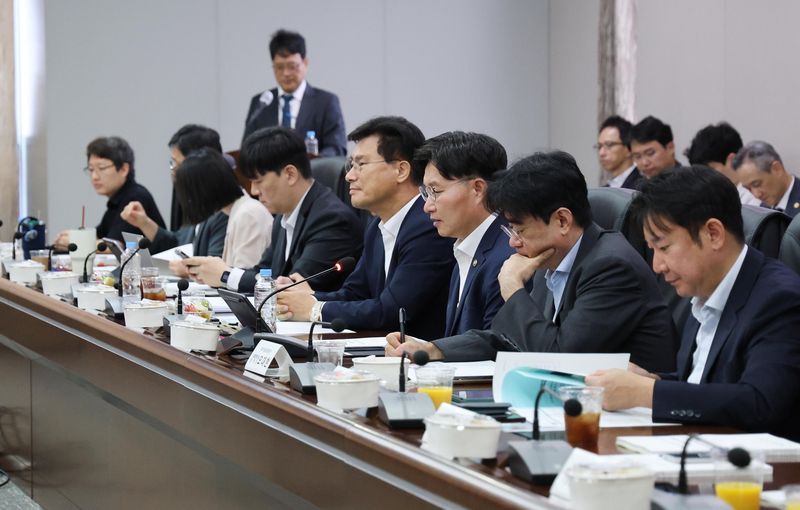
K-Moonshot is a national R&D project that challenges problems difficult to solve with conventional methods in 12 areas, including new drugs, Brain-Computer Interface (BCI), nuclear fusion, ships powered by Small Modular Reactors (SMRs), AI scientists, quantum and space data centers. The government aims to apply AI across scientific research to double research productivity by 2030 and produce visible results that will lift national competitiveness to a new level by 2035. Its goals are ambitious: dramatically shortening drug development timelines, commercializing brain implants, and building a Korean-style small fusion demonstration reactor, to name just a few. The name “Moonshot” reflects an effort to push beyond existing limits without fearing failure.
The launch process was not entirely smooth. Even after selecting the program directors who would oversee the missions, debate continued over their status, authority and compensation system. With annual pay capped at as much as 250 million won and the possibility of part-time work, questions were raised about whether the working arrangement was appropriate. Another issue emerged: government-funded research institutes effectively lack the institutional basis to apply the government’s proposed “part-time” work model. It was regrettable that a project meant to create a new framework for national R&D ran into confusion over basic working conditions.
The government’s compromise is to operate the program directors on a flexible schedule of at least 15 hours a week, with compensation paid in proportion to actual working time. This gives experts from universities and research institutes the flexibility to continue their existing positions and research while participating in national R&D projects. Given the nature of challenge-driven R&D, which requires top-tier experts, it is preferable to manage by results and accountability rather than insist on full-time work. Along with a pay system based on working hours, a reward structure linked to phased performance and responsibility should also be established.
The key, of course, is tangible results. Specifically, it matters how much drug development timelines can be shortened and what technical barriers can be overcome in nuclear fusion, quantum and physical AI. The government said it would create mission-specific roadmaps, and those must be followed by rigorous stage-by-stage evaluations. Projects that fall short of their goals should be boldly redirected or discontinued, while resources should be concentrated on those with proven potential. Failure should be allowed, but only if the causes are thoroughly examined and turned into assets for the next round of research. That is the role of moonshot-style R&D.
A persistent problem in national R&D has been bureaucratic silos between ministries and agencies, the distribution of projects based on sharing out the pie, and evaluation systems focused on the number of papers and patents. K-Moonshot must create a new R&D model that goes beyond these flaws. The government should set the goals, but give the expert program directors enough discretion, while universities, research institutes and companies work as one team to deliver results. We hope the government’s emphasis on “mission-oriented R&D” will take root as a new model.