The debate over U.S.-South Korea nuclear sharing grows heated amid calls to share tactical nuclear weapons to deter North Korea's advancing nuclear program
- Input
- 2026-08-09 15:20:27
- Updated
- 2026-08-09 15:20:27
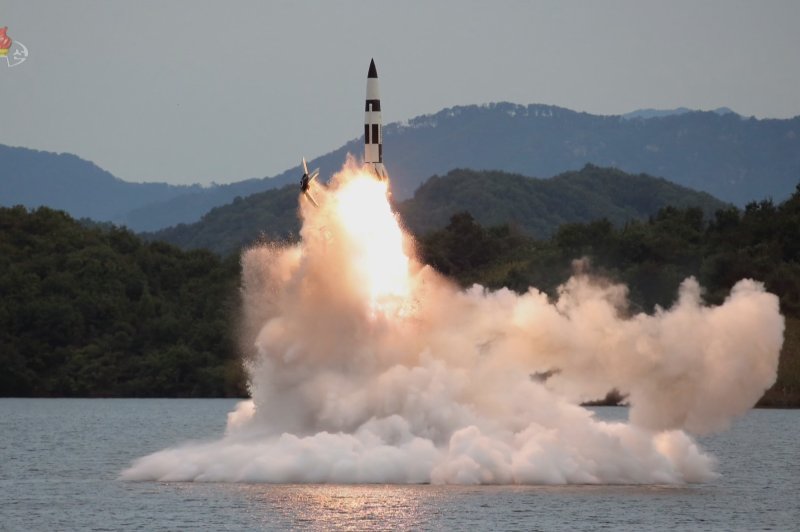
According to diplomatic sources on the 9th, the United States Department of Defense is reportedly discussing ways to expand the role of short-range tactical nuclear weapons for allies in response to nuclear threats in Northeast Asia. The move signals a major shift in U.S. nuclear deterrence strategy.
The Trump administration has officially pursued denuclearization on the Korean Peninsula. However, hardliners within the administration are said to be quietly discussing ways to strengthen tactical nuclear capabilities to counter North Korea's nuclear buildup. The effort is based on U.S. intelligence agencies' assessment that North Korea is unlikely to give up its nuclear weapons entirely. Washington is also weighing tactical nuclear weapons as a fallback option, with the aim of using them as strong leverage to bring North Korea back to the negotiating table.
As a result, one option under discussion is to share tactical nuclear assets stationed in Guam or on the U.S. mainland with the Republic of Korea Armed Forces. The idea is to preserve the principle of denuclearization by keeping South Korean territory free of nuclear weapons, while linking the ROK Armed Forces to U.S. assets on Guam, the American territory closest to the Korean Peninsula. The U.S. Air Force could permanently station tactical nuclear weapons at its base in Guam, and in a contingency, South Korean fighter jets could fly to U.S. bases in Guam or Hawaii to conduct joint training missions simulating the loading and delivery of U.S. tactical nuclear weapons. In effect, it would strengthen deterrence against North Korea while maintaining the Lee Jae Myung administration's denuclearization stance.
The conservative opposition bloc argues that it is time to seriously consider nuclear sharing. North Korea has already declared the advancement of its nuclear forces and demonstrated its tactical nuclear operational capabilities, they say, making a countermeasure necessary. North Korea's tactical nuclear buildup has recently expanded to border areas near the DMZ. It is combining conventional firepower on the front lines with a tactical nuclear operational system aimed at all of South Korea.
The People Power Party urged a change in strategy, saying, "President Lee Jae-myung has strongly opposed the deployment of tactical nuclear weapons and nuclear sharing, calling them reckless populism and saying they are not feasible."
[email protected] Kim Kyung-soo Reporter