"The United States sold euros without telling the ECB," breaking a long-standing practice
- Input
- 2026-08-07 15:55:28
- Updated
- 2026-08-07 15:55:28
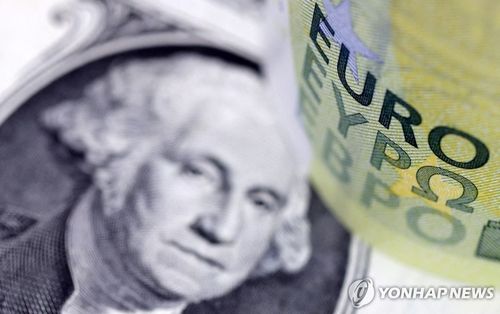
[Financial News] The United States reportedly sold euros without prior consultation with the European Central Bank (ECB) while intervening in the foreign exchange market with Japan to defend the Japanese yen. The ECB was informed only after the deal was completed, raising concerns that a post-World War II practice of cooperation among Western central banks has been shaken.
The Financial Times (FT) reported on the 6th, citing multiple sources, that the United States notified the ECB only after carrying out foreign exchange intervention on the 31st of last month, selling euros and buying Japanese yen.
According to the sources, ECB President Christine Lagarde and United States Treasury Secretary Scott Bessent also spoke about the intervention only on the 1st, two days after the transaction took place.
In general, when the United States intervenes in the foreign exchange market, it uses the U.S. dollar. This time, however, it chose to sell euros instead.
That decision was reportedly made because selling dollars directly could be interpreted as conflicting with the Trump administration's emphasis on a strong-dollar policy.
Market watchers believe the United States also joined Japan's defense of the yen in an effort to prevent Japan from selling U.S. Treasuries.
At the time, yields on long-term U.S. Treasuries had surged to their highest level in 19 years, and there were concerns that a large-scale sale of U.S. Treasuries held by Japan could put even more upward pressure on yields.
Inside the ECB, the move is being viewed as an unprecedented case that undermined trust among Western central banks.
One source familiar with discussions among European policymakers told FT, "It is extremely shocking and regrettable that the New York Fed sold euros on behalf of the United States Department of the Treasury," adding, "This had never happened before." The source also warned, "The close network of cooperation among central banks that has supported financial stability and economic growth for decades could now be threatened."
The United States Department of the Treasury, meanwhile, said it has no obligation to consult foreign monetary authorities when intervening in the foreign exchange market.
A Treasury spokesperson told FT, "How to allocate reserve assets held in the Exchange Stabilization Fund (ESF) is a matter for the United States Department of the Treasury to decide," adding, "The Treasury makes its own judgment, taking into account the Federal Reserve System (Fed)'s market liquidity and asset valuation."
[email protected] Kim Kyung-min Reporter