The Nikkei: Concerns Over the U.S. Trade Deficit With South Korea Behind Won Intervention
- Input
- 2026-08-06 14:30:39
- Updated
- 2026-08-06 14:30:39
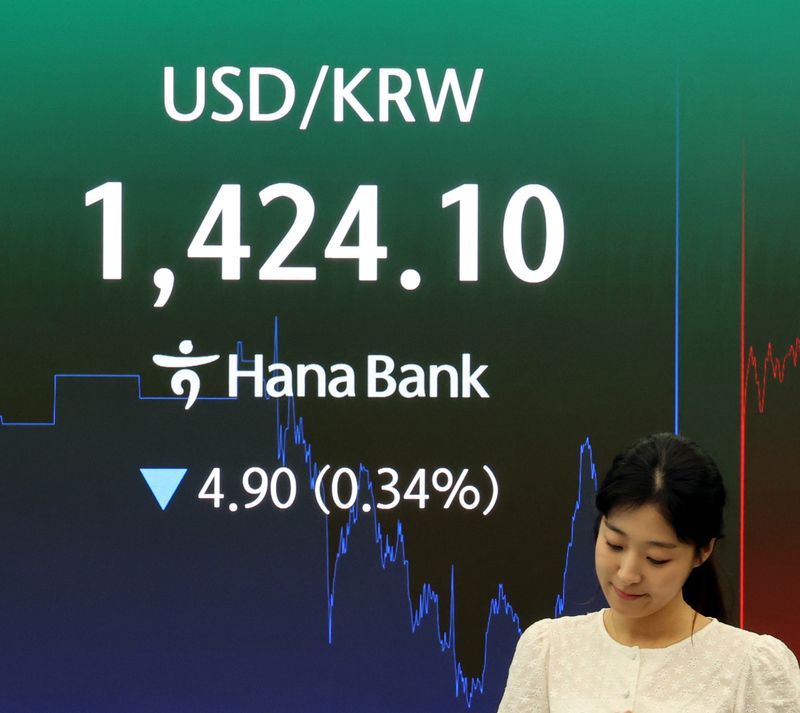
On the 6th, Nikkei, Inc. reported that "if won-buying intervention did take place, the background was the U.S. trade deficit with South Korea, which has doubled over the past 10 years." Takahiro Hori, an economist at Mizuho Bank, Ltd., said, "The U.S. appears to have been concerned that a weaker won would widen the trade deficit, and that seems to have been the backdrop to the intervention."
Last year, the U.S. trade deficit with South Korea reached $56.477 billion, or about 80.025 trillion won. In addition, as investment in artificial intelligence expands, South Korea's exports to the U.S., especially memory semiconductors, are expected to increase further.
Some in the Japanese market also interpreted the move as an attempt by South Korea, whose foreign exchange reserves are only about one-third of Japan's, to ride on Japan's currency intervention and maximize the effect.
The Nikkei analyzed that "as SK hynix converted part of the $26.5 billion it secured through an American Depositary Receipt (ADR) listing, downward pressure on the won-dollar exchange rate intensified, prompting other South Korean exporters to quickly sell dollar deposits."
Guo Ying, an analyst in foreign exchange and Asia economics and strategy at Nomura Securities, forecast that "the won could rise further, supported by improvements in South Korea's fundamentals and the coordinated intervention trend between the U.S. and Japan."
[email protected] Hong Chaewan Reporter