Takaichi pushes ahead with food tax cut from 8% to 1%; September Diet session seen as key battleground
- Input
- 2026-08-06 10:28:23
- Updated
- 2026-08-06 10:28:23
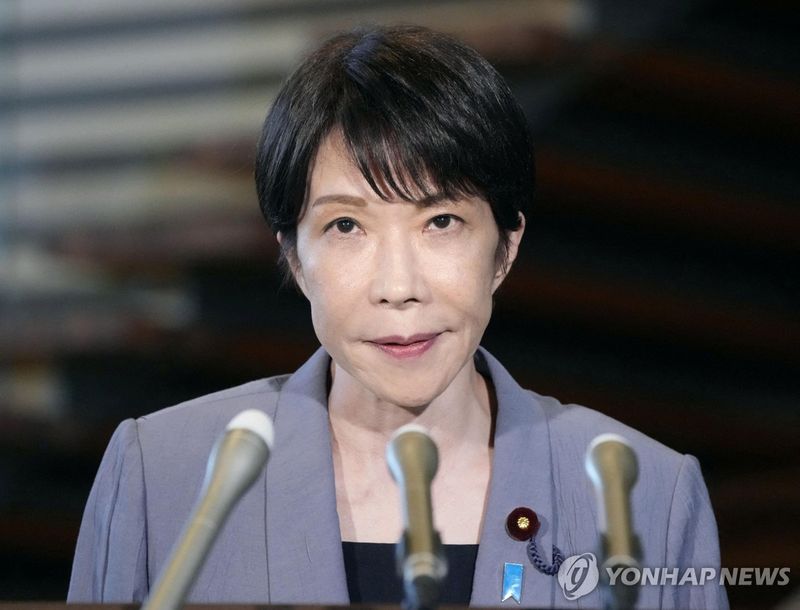
[Financial News] Japan is being thrown into political turmoil after Prime Minister Sanae Takaichi abruptly finalized a tax cut plan that would lower the food consumption tax rate from the current 8% to 1% for two years. Backed by the strong political mandate she secured in the general election, she pushed through internal party opposition and concerns from the Ministry of Finance (Japan). But because the ruling bloc does not hold a majority in the House of Councillors, the extraordinary Diet session in September is expected to be the first major test. The clash in Japanese politics is likely to intensify further, with fiscal soundness and easing the burden of rising prices now in direct conflict.
Tax cut drive after election victory raises fiscal concerns
According to Japanese media on the 6th, the Takaichi Cabinet approved the plan at a Cabinet meeting the previous day to reduce the food consumption tax rate to 1% for two years starting in April next year. If implemented, the tax cut would save each person in Japan 36,000 yen, or about 324,000 won, per year. The government also decided to pursue a plan to pay the remaining 1% in cash to low- and middle-income households, effectively eliminating their food tax burden.
During last year’s Liberal Democratic Party (LDP) presidential race, Takaichi was cautious about cutting the consumption tax, mindful of support from then deputy president Tarō Asō, who emphasized fiscal discipline. But after her landslide victory in the House of Representatives of Japan election in February, her political standing was greatly strengthened, and she moved the food tax cut to the forefront as a key policy for ordinary people.
However, major Japanese outlets including Yomiuri Shimbun, Nikkei, Inc., and Mainichi Shimbun criticized the decision as one that undermines Japan’s fiscal principle of treating the consumption tax as a stable source of social security funding. Concerns have also been raised that, without a clear funding source, the tax cut could accelerate yen weakness and push up government bond yields.
One-sided push backed by 'Takaichi kids'; the House of Councillors is the biggest variable
Takaichi’s hardline leadership was again on display during the tax cut push. LDP Tax System Research Commission chair Onodera Itsunori reportedly asked her to attend a party meeting in person and persuade lawmakers, but Takaichi refused, saying, "There is no need for that." Mainichi Shimbun analyzed that the first-term lawmakers known as the "Takaichi kids," who were elected on the back of Takaichi’s high popularity in the general election, are becoming the main driving force behind the tax cut campaign.
At the LDP General Council that discussed the tax cut plan, the motion was passed unanimously by those present, while senior lawmakers opposed to the measure stayed away. Sankei Shimbun reported that "resistance within the Ministry of Finance (Japan) also appears to have been largely contained by the Prime Minister's Official Residence of Japan, which used personnel authority as leverage." Some observers say the ministry’s influence, once strong enough to shape administrations, has been sharply weakened.
Still, the road ahead for the bill is expected to be rough. The ruling coalition of the LDP and the Japan Restoration Party does not hold a majority in the House of Councillors, making passage difficult without opposition cooperation. The Cabinet approval rating has also fallen to its lowest level since the administration took office, adding to the pressure. If support drops further, fiscal hawks within the party, who have so far remained silent, could begin to push back in earnest.
Japanese media say next month’s expected Cabinet reshuffle and LDP leadership appointments will be a turning point not only for the tax cut bill but also for Takaichi’s long-term grip on power. Whether she fills key posts with close allies who share her policy line or builds a broad party structure that includes opponents is expected to become a central challenge in running the government.
[email protected] Kim Kyung-min Reporter