Houthi Rebels Attack Saudi Oil Tankers in Series of Strikes... "Expanding the Red Sea Blockade"
- Input
- 2026-08-06 08:00:49
- Updated
- 2026-08-06 08:00:49
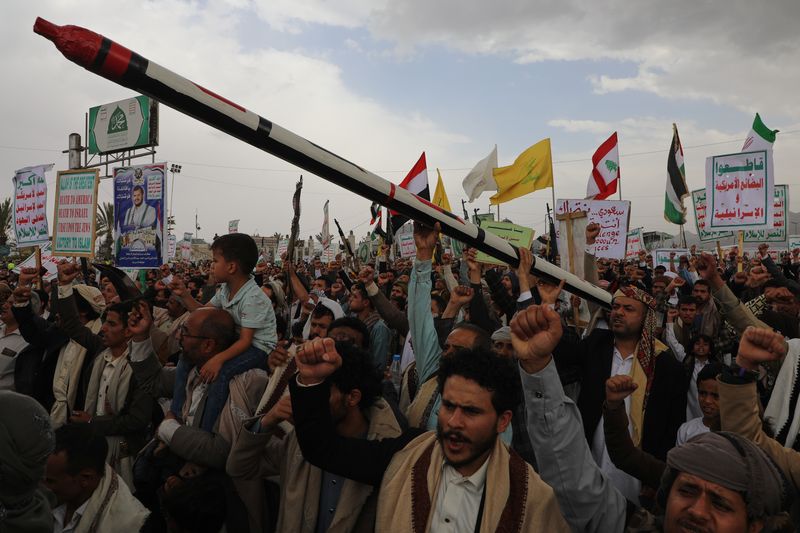
[Financial News] The Iran-backed Houthi rebels in Yemen claimed on Wednesday that they had carried out a series of attacks on Saudi oil tankers in the Red Sea and the Gulf of Aden. As they continue to target alternative export routes that bypass the Strait of Hormuz, concerns over Middle Eastern crude supply chains are rising again.
Yahya Saree, the Houthi military spokesman, said in a video statement on the 5th local time that the group had "successfully hit the Saudi oil tanker Wafa with several ballistic missiles off the coast of Yanbu in the northern Red Sea."
He added that it was "the eighth vessel attacked since the maritime blockade was declared on the 22nd of last month," claiming that the Red Sea blockade operation was continuing.
Yanbu, which the Houthis identified as a target, is a key Saudi crude export hub. As passage through the Strait of Hormuz became difficult because of the war with Iran, Saudi Arabia has expanded a diversion strategy that sends crude through the East-West Crude Oil Pipeline to Yanbu on the Red Sea coast before exporting it to global markets.
The Houthis also said they launched another attack in the Gulf of Aden later that night.
Spokesman Saree claimed that the group had targeted the Saudi oil tanker Daisy with ballistic missiles, but he did not disclose the extent of any damage or whether there were casualties. The Saudi government has also not confirmed the incident so far.
Last month, the Houthi rebels ended a ceasefire and declared a maritime blockade in the Red Sea after blaming Saudi Arabia for an airstrike on Sanaa Airport in the Yemeni capital, which is under their control. Since then, they have stepped up pressure on Saudi Arabia and the international shipping industry by attacking merchant ships and oil tankers passing through the Red Sea.
Market watchers warn that if the Red Sea route also becomes unstable after the Strait of Hormuz, disruptions to Middle Eastern crude shipments could widen and volatility in global oil prices could rise again.
[email protected] Kim Kyung-min Reporter