[Editorial] Tax Reform Disrupts the Jeonse and Monthly Rent Market, Urgent Fix Needed
- Input
- 2026-08-05 18:55:52
- Updated
- 2026-08-05 18:55:52
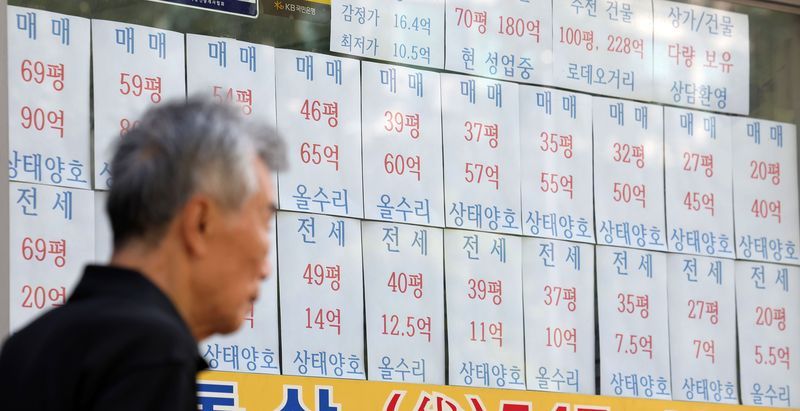
In the tax reform plan announced on the 3rd, the government sharply raised the tax burden on ultra-expensive and non-owner-occupied homes and also revised the long-term capital gains tax deduction to favor actual residence. In the market, this is seen as likely to push more one-home owners who had been renting out their homes and living elsewhere to return to those homes. Seoul Metropolitan Government Mayor Oh Se-hoon also made the same point, saying, "To reduce capital gains tax, it may become more advantageous for homeowners to evict tenants and move in themselves." He added, "If rental supply falls and rents rise, the burden will fall on ordinary people and young people."
The jeonse and monthly rent market has already been unsettled for several months. Supply is falling, while prices are climbing. According to a survey by KREB, apartment jeonse prices rose 4.99 percent in the first half of this year, and monthly rents increased 4.62 percent. The average jeonse price for apartments in Seoul also surpassed 700 million won for the first time ever. Rental listings have also declined. Data from real estate big data platform Asil showed that as of the 4th, jeonse listings for apartments in Seoul stood at 20,803, down 9.0 percent from a year earlier.
This tax reform could further fuel that unstable trend. More than 50,000 households in Seoul that signed new jeonse or monthly rent contracts in 2024 will see those contracts expire between this month and the end of the year. If homeowners choose actual residence instead of renewing contracts, a drop in rental supply is inevitable. Tenants will also be unable to exercise their contract renewal rights. If the transfer of tax burden to homeowners becomes a reality, housing insecurity will deepen and jeonse and monthly rent prices are likely to rise further. In particular, high-end jeonse contracts are expected to shift to monthly rent even faster.
Policy inconsistency is another problem. In May, the government said it would stimulate housing transactions and postponed the actual residence requirement for homes bought with jeonse leases in land transaction permit zones until the end of the lease. This time, however, while reducing tax benefits for non-owner-occupied one-home owners, it did not include any exception for homebuyers without a home who had been granted that temporary exemption. That could undermine policy credibility. It is also regrettable that tax benefits for rental housing purchases in Areas Subject to Adjustment and for mutual-benefit rental housing are being phased out. Promising incentives to encourage rental businesses and then taking them back later is far from consistent policy.
The government and the National Assembly should now come up with supplementary measures to stabilize the rental market. If expanding apartment supply is difficult, they should first speed up institutional reforms to increase non-apartment housing. They should also accelerate the expansion of public rental housing and support for homebuyers with no home of their own. Policies that encourage actual residence should not lead to housing insecurity for tenants. Otherwise, it will be hard to avoid criticism that the government said it would crack down on non-owner-occupied one-home owners, but ended up hurting innocent tenants instead.