[Editorial] Extreme Heat Is a Disaster: Prepare Thoroughly for Soaring Prices and a Major Blackout
- Input
- 2026-08-05 18:55:50
- Updated
- 2026-08-05 18:55:50
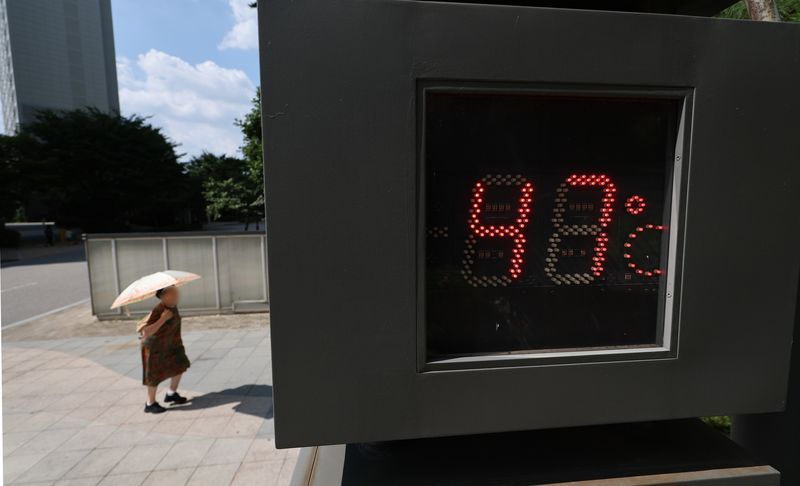
In other words, prices have been rising broadly even before agricultural products are taken into account, and now the prolonged heat is pushing farm prices sharply higher as well. In particular, the prices of vegetables such as spinach, young radish, carrots, cucumbers, and cabbage are said to have risen significantly. More than 500,000 livestock and poultry, including chickens, ducks, and pigs, have died, while some 200,000 farmed fish have perished in mass die-offs. As a result, prices of meat and seafood are also expected to climb.
Heatflation is not a problem unique to South Korea. Europe and the United States are also suffering from extreme heat that arrived earlier than it did here. Some forecasts even suggest that global food prices could jump by as much as 15.8% in the second half of this year. Domestic food companies are already raising product prices one after another as ingredient and packaging costs rise. This will not only increase the cost of everyday meals for ordinary households, but also push overall inflation higher. Price increases in agricultural, marine, and livestock products caused by abnormal weather are not easy to control through policy, but this is the time for the authorities to respond proactively.
The heat wave is expected to last for at least two more weeks. Along with price management, what matters even more is preventing blackouts through stable power supply. As of the 5th, peak electricity demand had reached the fifth-highest level on record, while the reserve margin had fallen to around 12.5%. There is still some room, but authorities must manage supply and demand while preparing for the possibility of a major blackout.
Blackouts have already occurred in many apartment complexes nationwide, reportedly because transformers were overloaded when too many air conditioners were turned on at once. Power shortages are not the cause, but households can no longer afford to let their guard down for even a moment. KEPCO should inform the public in real time about the power supply situation and ask for cooperation, including reducing air conditioner use when necessary.
In 1987, a major blackout in the Tokyo metropolitan area in Japan, triggered by a surge in cooling demand during a heat wave, halted train service and stopped traffic signals, causing severe disruption. We cannot say with certainty that such an emergency will not happen here. A large-scale blackout could also force factories to stop operating and inflict serious damage on the national economy.
Abnormal weather such as heat waves and droughts will not end this year. Even after next year, even more severe heat, drought, or flooding could strike. Natural disasters cannot be controlled by human power. All we can do is prepare as thoroughly as possible and reduce the damage.
The heat will not last all year, but it has already become a disaster-level natural hazard. The number of people dying or being hospitalized from heatstroke is rising to levels comparable to those affected by earthquakes or floods. As of the 4th, the death toll from this heat wave had reached 19. Nearly 200 people are suffering heat-related illnesses every day. The government has also activated the Level 2 emergency response for the first time in three years, which is an appropriate step. It should now take even more active measures to protect public safety.