Trump Seeks to Extend Jones Act Waiver to Ease Fuel Prices
- Input
- 2026-08-05 10:26:20
- Updated
- 2026-08-05 10:26:20
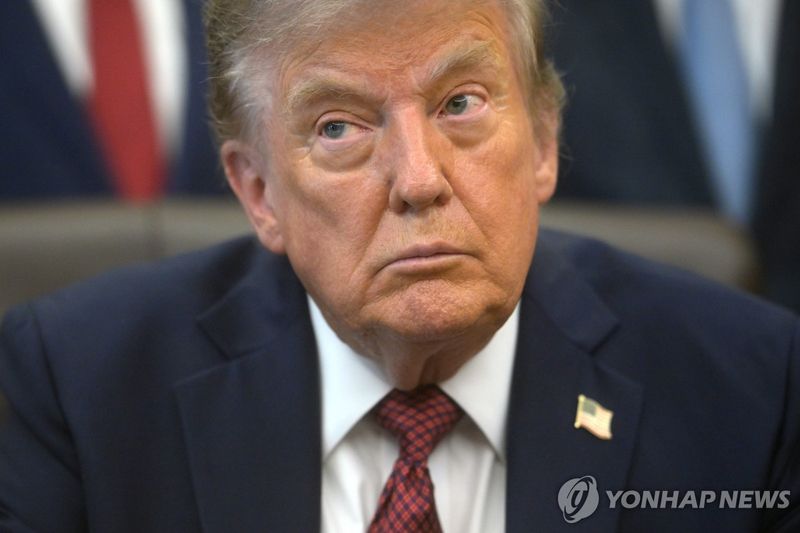
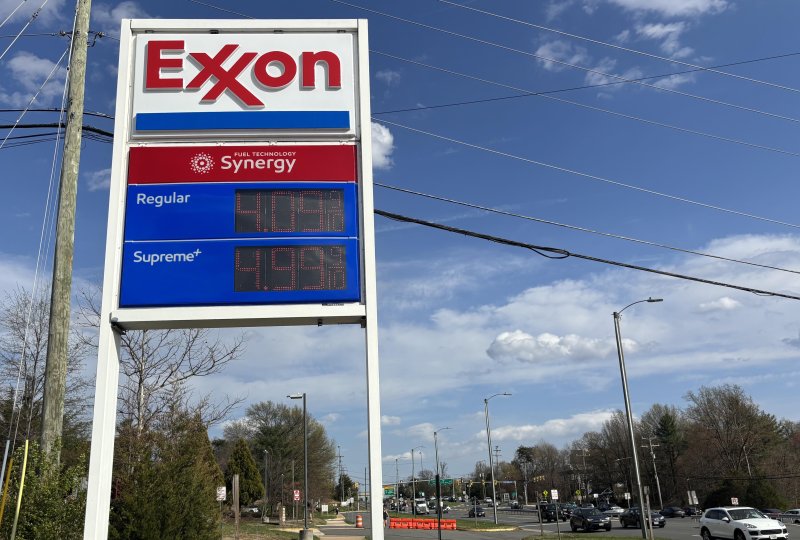
According to British media reports on the 4th local time, the Trump administration temporarily waived the Jones Act for 60 days starting in March, after the outbreak of the war with Iran. The goal was to increase shipping flexibility, reduce transportation bottlenecks, and bring down gasoline prices.
The waiver was extended by 90 days in April, making it the longest such measure in the history of the Jones Act. It was set to expire on the 16th.
However, three anonymous sources said that Trump administration officials have continued meeting with shipping industry figures and lawmakers to narrow the scope of the waiver while preserving flexibility for the movement of key fuel supplies. Peter Navarro, the White House trade and manufacturing adviser, Russell Vought, director of the White House Office of Management and Budget, and the White House energy dominance council have reportedly been involved in the extension talks.
A White House official said, "The administration continues to monitor how the waiver is being used, and discussions are ongoing." The official added, "If there is any further announcement, it will come directly from the president or the administration."
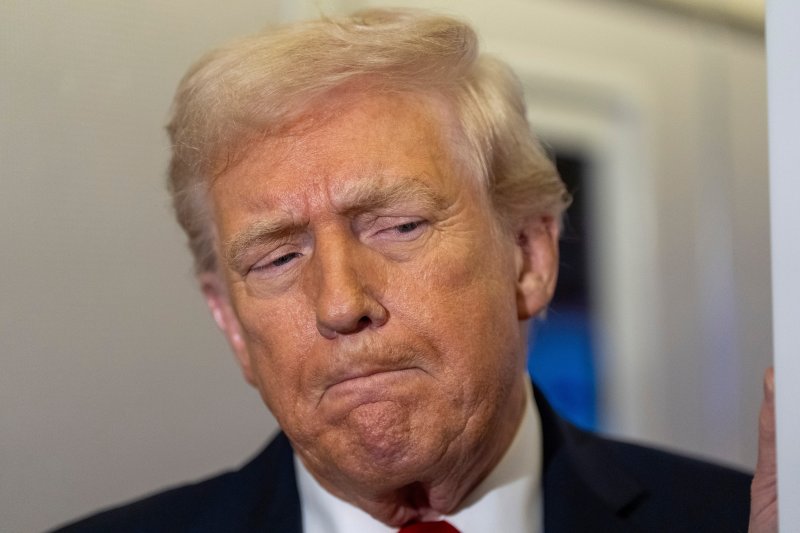
Bob McNally, president of energy consultancy Rapidan Energy Group, said, "The most effective option for President Trump would be to pressure Saudi Arabia to increase oil production, but that is not a realistic path because exports are constrained by turmoil around the Strait of Hormuz." He added that measures such as windfall taxes, gasoline price controls, and legal action against oil companies would be politically unrealistic or economically risky.
U.S. Secretary of Energy Chris Wright told reporters in Brownsville, Texas, that "this waiver has lowered energy prices in California and on the East Coast" and that "another extension is likely."
Jennifer Carpenter, president of the American Waterways Operators, argued that "this measure shifts ordinary domestic commerce to foreign operators, including companies linked to China and Russia, while weakening the foundation of the U.S. shipping industry."
It was also reported last month that Republican lawmakers, including Mike Johnson, speaker of the U.S. House of Representatives, sent Trump a letter urging him not to extend the Jones Act waiver.
[email protected] Hong Chaewan Reporter