EU Interior Ministers Meet to Step Up Crackdown on Smuggling and Border Controls
- Input
- 2026-08-05 06:37:10
- Updated
- 2026-08-05 06:37:10
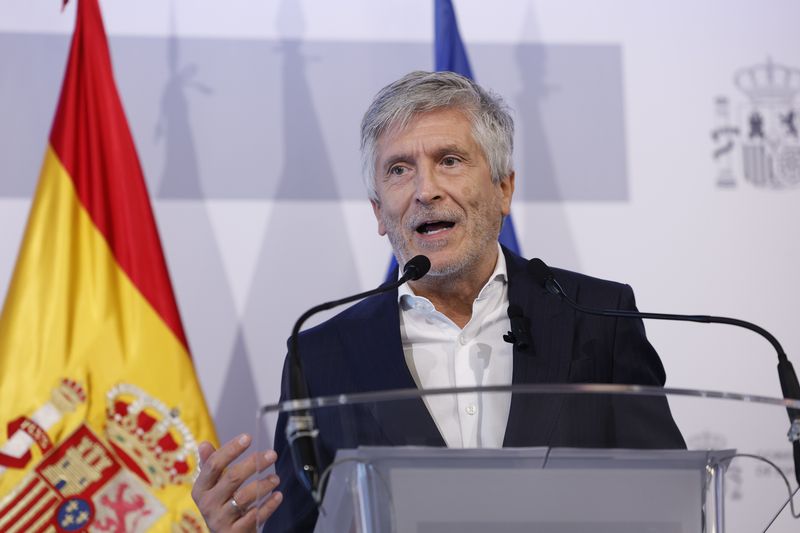
[Financial News] Interior ministers from the European Union (EU) held an emergency meeting in Brussels, Belgium, on the 4th local time and called for a tougher crackdown on illegal border crossings and stronger deportation policies.
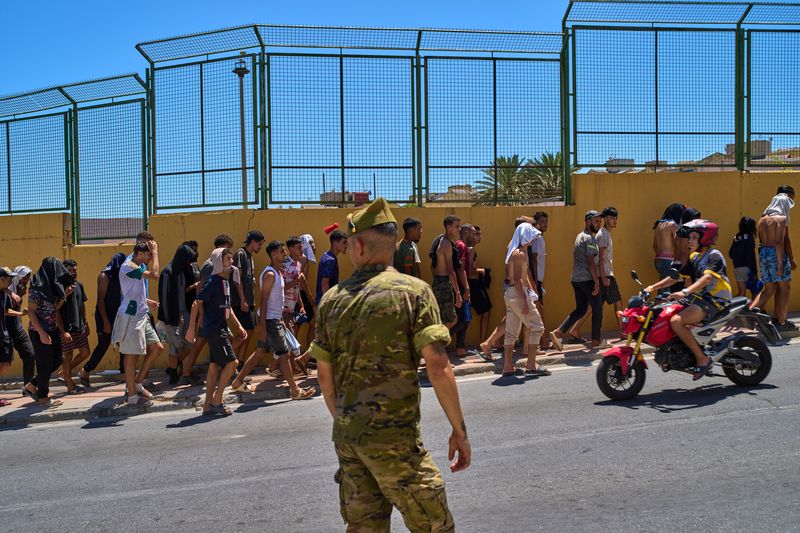
The meeting was urgently convened after about 72,000 migrants flooded into Ceuta, Spain's North African enclave, last week.
At least 75 people have died since the migrant crisis began on the border between Spain and Morocco on the 30th of last month, with some drowning while swimming across the sea and others being crushed in the ensuing chaos.
Following the emergency meeting of EU justice and interior ministers, EU Commissioner Magnus Brunner said the massive influx had been fueled by smuggling gangs and fake news on social media.
Brunner pointed to smugglers' spread of false information as a cause, but he declined to comment on Morocco's responsibility, saying an investigation by Spanish authorities is under way.
Morocco rejected claims that it was responsible for the crisis. It argued that Spain had brought the situation on itself after a Spanish court ruled that migrants who swam to areas without barriers could not be returned immediately.
Spanish Interior Minister Fernando Grande-Marlaska said his ministry had received no advance warning from intelligence agencies about the large-scale movement and moved to contain the situation by urgently installing coastal barriers.
Some experts have suggested that Morocco may have allowed border controls to lapse in order to gain political leverage. A similar surge occurred in May 2021, when Morocco eased border controls amid a territorial dispute over Western Sahara.
The crisis has put Europe on high alert, and calls for a hard-line response are growing louder.
Italy, although not directly affected in Ceuta, temporarily suspended the Schengen Agreement on visa-free travel with Spain for one month and proposed introducing a refugee screening and repatriation model through third countries.
Denmark called for a larger EU budget for border security, while Greece argued that rules should be revised to allow temporary suspension of refugee registration in the event of a mass influx.
Meanwhile, many of the migrants who reached Ceuta were unable to secure even basic necessities and returned to Morocco, but a significant number are still sleeping on the beach and using shower facilities at public bathing areas, foreign media reported.
[email protected] Yoon Jae-joon Reporter