U.S. Presses for Expansion of Fed's FIMA Facility as Japan Defends the Yen Without Selling Treasuries
- Input
- 2026-08-05 04:30:58
- Updated
- 2026-08-05 04:30:58
According to The Wall Street Journal on the 4th, U.S. Treasury Secretary Scott Bessent publicly called for an expansion of the Fed's FIMA (Foreign and International Monetary Authorities Repo Facility) limit.
FIMA allows foreign central banks to borrow dollars from the Fed using U.S. Treasuries as collateral. It was introduced during the COVID-19 pandemic to stabilize the Treasury market by preventing overseas central banks from dumping large amounts of U.S. debt. Its key feature is that it lets borrowers obtain the dollars they need without selling the securities into the market.
Bessent said the current borrowing cap of $60 billion per counterparty should be raised, adding, "I expect the scale to grow over the next few months."
The Japanese government has also formally said it plans to use FIMA when securing funds for future foreign exchange intervention.
The core aim of the move is to prevent Japan from having to sell large amounts of U.S. Treasuries to defend the yen. Foreign exchange intervention is typically carried out by selling reserves to buy the domestic currency. A large share of Japan's foreign exchange reserves is made up of U.S. Treasuries. Under the traditional approach, continued intervention would require selling those securities to raise dollars.
With FIMA, however, Japan can borrow dollars from the Fed using U.S. Treasuries as collateral, allowing it to secure the funds needed for intervention without selling the bonds.
Japan currently holds about $1.1 trillion in U.S. Treasuries. Its constraint is not the size of its holdings, but the $60 billion borrowing limit per counterparty. If that cap is expanded, Japan's capacity for foreign exchange intervention is expected to increase accordingly.
The move is being interpreted as a follow-up to the first joint U.S.-Japan foreign exchange intervention since 1998, with additional support mechanisms now being put in place.
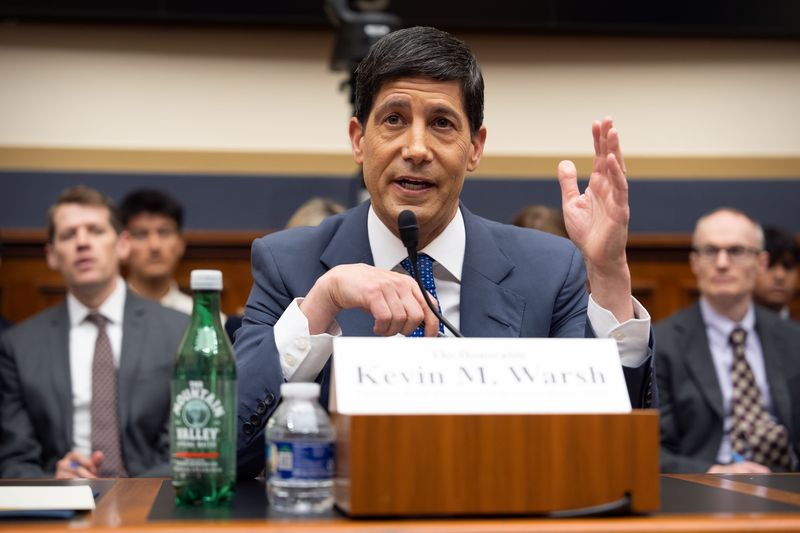
The request is also expected to become the first policy test for Kevin Warsh, who took office as Chair of the Federal Reserve in May.
An expansion of the FIMA limit requires approval from the Federal Open Market Committee (FOMC). In general, the Fed has used such emergency liquidity tools only when market functioning was severely impaired or financial stability was under threat.
Because the U.S. Treasury market and broader financial markets are not currently suffering from the kind of dysfunction that would justify activating FIMA, some observers say the request is less about monetary policy and more about supporting exchange-rate policy.
Market participants also say that even if the Fed does not actually raise the limit, a signal that the U.S. government is prepared to strongly support Japan's currency defense could be enough to deter speculative bets against the yen.
[email protected] Reporter Lee Byung-chul Reporter