"My Hair Came Out in Clumps After Vacation"... UV-Triggered 'Heat-Induced Hair Loss' Alert [Smart Wellness]
- Input
- 2026-08-03 14:11:07
- Updated
- 2026-08-03 14:11:07
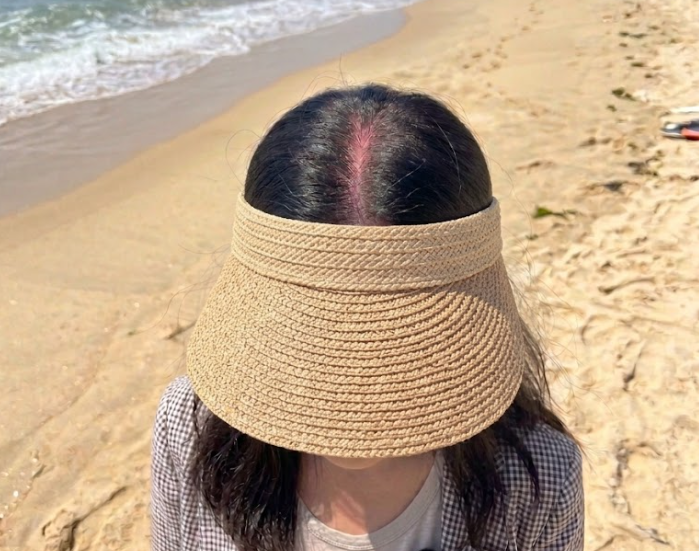
[Financial News]"My scalp feels hot and stings. I'm also losing a lot more hair than before." A man in his 30s, identified by the pseudonym Park Jin-young, visited a dermatologist after returning from vacation. He was diagnosed with temporary heat-induced hair loss caused by a scalp burn and acute inflammation from ultraviolet exposure. The condition was linked to prolonged exposure to intense sunlight during his trip.
When scalp temperature rises above a certain level, moisture evaporates and the protein structure that makes up hair can denature, making it easy for 'heat-induced hair loss' to occur. To prevent it, the most important step is to keep the scalp from overheating by blocking UV rays and applying cold compresses.
Normal scalp temperature is below 34°C... As scalp temperature rises, hair follicles come under stress
Heat-induced hair loss is, quite literally, a type of hair loss that occurs when excessive heat builds up on the scalp.
A normal scalp temperature is around 31 to 34°C, slightly lower than body temperature. But if the scalp is exposed to intense ultraviolet rays or extreme heat for a long time, the temperature can soar above 40°C. When heat is applied to the scalp, pores open and moisture evaporates rapidly, disrupting the balance of oil and water. This weakens the scalp barrier and causes heat stress to accumulate in hair follicle cells. Eventually, the hair roots can no longer absorb nutrients, causing the hair to thin and fall out earlier than normal.
Typical symptoms of heat-induced hair loss include a reddened scalp, known as scalp erythema, along with a burning sensation, itching, and increased sebum production. If these symptoms are ignored, they can develop into scalp inflammation or seborrheic dermatitis.
The best prevention is 'UV protection'... If you cannot avoid it, lower the temperature first
Experts stress that the scalp heat must be lowered 'immediately' to prevent heat-induced hair loss.
When spending time outdoors, use a UV-blocking parasol or a well-ventilated hat to avoid direct sunlight. If your scalp feels especially hot, apply a cold compress with a towel soaked in cold water, or wash your hair with lukewarm water at around 30 to 35°C to minimize irritation to the scalp.
Because the scalp becomes more sensitive, shampoo selection also matters. Products containing harsh synthetic surfactants such as sodium lauryl sulfate (SLS) and sodium laureth sulfate (SLES) are best avoided. These ingredients can irritate the scalp and make the condition worse.
Functional shampoos with strong cleansing power and enhanced sebum-control features can also irritate the scalp more than regular shampoos. Using shampoos that contain active ingredients such as salicylic acid and niacinamide every day, even if they help remove dead skin cells, can actually damage the scalp barrier. Even if scalp inflammation is causing excess oil production, daily use is not advisable.
Ingredients such as menthol and tea tree are suitable for lowering scalp heat. Menthol provides an immediate cooling sensation and quickly relieves heat, while tea tree has strong antibacterial and anti-inflammatory effects that help address the underlying cause: scalp inflammation. However, if these ingredients are used too often in high concentrations or are not rinsed off properly, they can strip moisture from the scalp, cause dryness, or chemically irritate an already sensitive scalp.
The way to make life healthier and more vibrant is not far away. [Smart Wellness] shares practical wisdom for caring for both body and mind, based on scientific evidence and the latest trends. Subscribe to the reporter page to receive [Smart Wellness] conveniently.
[email protected] Kim Hyun-sun Reporter