After Maduro’s Ouster, Normalization Begins? Venezuela Moves in Parallel on Bipartisan Talks and Diplomatic Restoration
- Input
- 2026-08-03 15:00:48
- Updated
- 2026-08-03 15:00:48
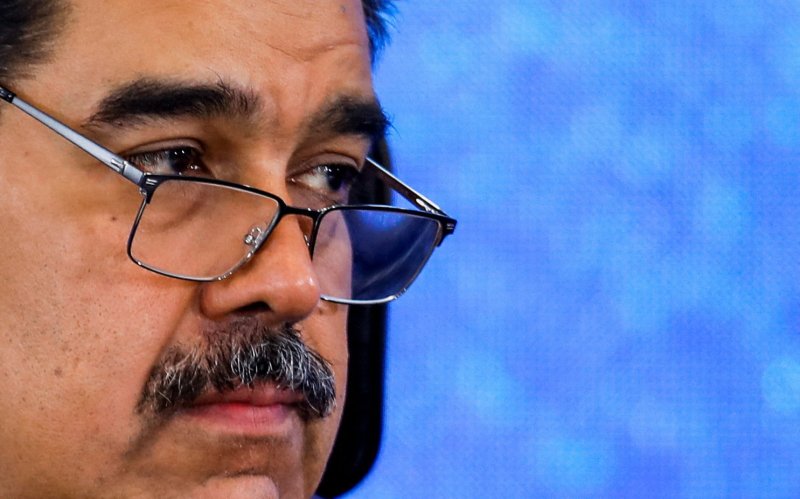
On the 2nd local time, Maduro’s official Telegram account posted that it "welcomes any path of dialogue that helps consolidate peace, coexistence, and reconciliation among the Venezuelan people." The post also said that speaking of national renewal as a common goal means mutual respect for diversity and inclusion for all.
The message came as representatives of the Venezuelan government and the opposition are set to begin talks in Caracas, the capital, in the first week of August to discuss earthquake damage and other issues.
According to the local daily El Nacional, the talks, brokered under the leadership of the U.S. government, will focus on three main agenda items: support for victims of the series of earthquakes that struck in June, strengthening democracy, and measures to guarantee political rights.
The government delegation includes six members, among them National Assembly Speaker Jorge Rodríguez and former Foreign Minister Jorge Arreaza. On the opposition side, moderate forces that formed the 2015-2020 legislature, including chief representative Dinora Figuera and Marco Aurelio Quiñones, will take part.
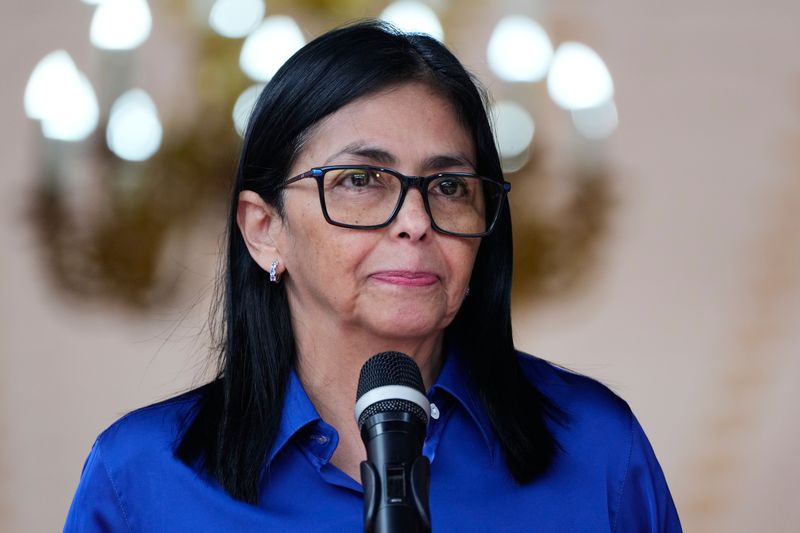
On the same day, Venezuela’s Foreign Ministry said that Venezuela and the Dominican Republic had agreed on a roadmap for dialogue aimed at the "gradual normalization" of diplomatic relations. It added that the decision aligns with their shared interest in strengthening official channels of communication for the benefit of both peoples. With this, Venezuela has activated diplomatic channels with the Dominican Republic this month, following Peru and Chile.
Relations between Venezuela and these countries had sharply cooled after Venezuela’s presidential election in July 2024. They publicly criticized the election results, raising allegations of fraud in the vote that ended with Maduro’s victory. In response, Maduro’s government severed ties by withdrawing its diplomats from seven countries that issued critical statements — Peru, Chile, the Dominican Republic, Argentina, Panama, Costa Rica, and Uruguay — and expelling their diplomats from Venezuela.
However, after Maduro was taken to the United States earlier this year and the interim government came to power, efforts to break out of diplomatic isolation have gained momentum, and moves to normalize ties with major Latin American countries are accelerating. The interim government is expected to restore diplomatic relations with the remaining countries one by one.
[email protected] Hong Chaewan Reporter