"If It Exceeds 40 Degrees, Turn Off the Fan" ... WHO Issues Emergency 'Four Life-Saving Guidelines' Amid Heat Wave [Health Issue]
- Input
- 2026-08-03 08:52:09
- Updated
- 2026-08-03 08:52:09
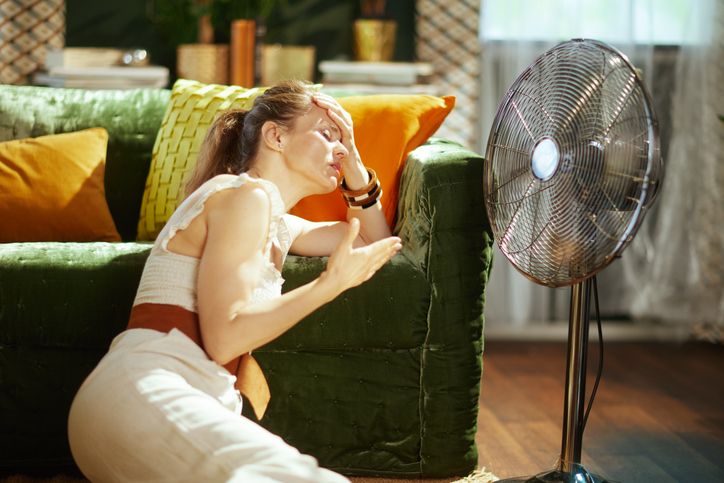
[Financial News] As an unprecedented heat wave continues across the country, with daytime temperatures in Yangsan, South Gyeongsang Province, soaring to 42.5 degrees Celsius, the World Health Organization (WHO) has issued essential health guidelines to prevent heat-related illnesses and worsening medical conditions.
In its recently released "Climate Change and Health" materials, WHO warned that extreme heat is more than just an inconvenience. It is a serious health threat that can cause heat exhaustion and heatstroke, while also sharply worsening cardiovascular, respiratory and kidney diseases. The organization stressed that older adults, infants, pregnant women and people with chronic illnesses need extra caution because their ability to regulate body temperature is weaker.
The following are WHO's practical health guidelines for coping with extreme heat.
First, careful use of indoor cooling and household appliances is essential. Fans should only be used when the surrounding temperature is below 40 degrees Celsius. Once the temperature rises above 40 degrees, fan airflow can deliver hot air rather than evaporate sweat, which may actually raise body temperature.
When using air conditioning, it is effective to set the temperature to 27 degrees Celsius and run a fan at the same time. This can lower the perceived indoor temperature by about 4 degrees and cut cooling costs by as much as 70 percent. During the day, closing windows and curtains to block direct sunlight, then ventilating the home at night when temperatures fall, can also help reduce indoor heat.
Cooling the body directly and staying hydrated are also essential. Even if you do not feel thirsty, you should drink one cup of water every hour and consume at least 2 to 3 liters of fluids a day. When going outside, wear light, breathable clothing, and use a lukewarm shower or a wet towel or spray to lower skin temperature directly.
Under direct sunlight, the perceived temperature can rise by 10 to 15 degrees Celsius above the actual air temperature, so people should avoid going out at midday and refrain from strenuous exercise. They should also spend at least two to three hours a day in a cool place with air conditioning.
Finally, WHO emphasized safety measures for infants and vulnerable groups. The temperature inside a parked car can rise to dangerous levels in an instant, so children and pets should never be left alone, even for a short time. When using a stroller, covering it with a dry cloth can make the inside even hotter, so a thin wet cloth should be used instead to help prevent the temperature from rising.
According to WHO statistics, about 489,000 people worldwide died each year from heat-related illnesses between 2000 and 2019. WHO said, "Heatstroke is a life-threatening emergency with a high fatality rate, so people can save lives by actively following personal prevention guidelines amid heat waves intensified by climate change."
[email protected] Moon Young-jin Reporter