U.S. and Iran Discuss Mediation Plan for Return to MOU
- Input
- 2026-08-03 05:26:29
- Updated
- 2026-08-03 05:26:29
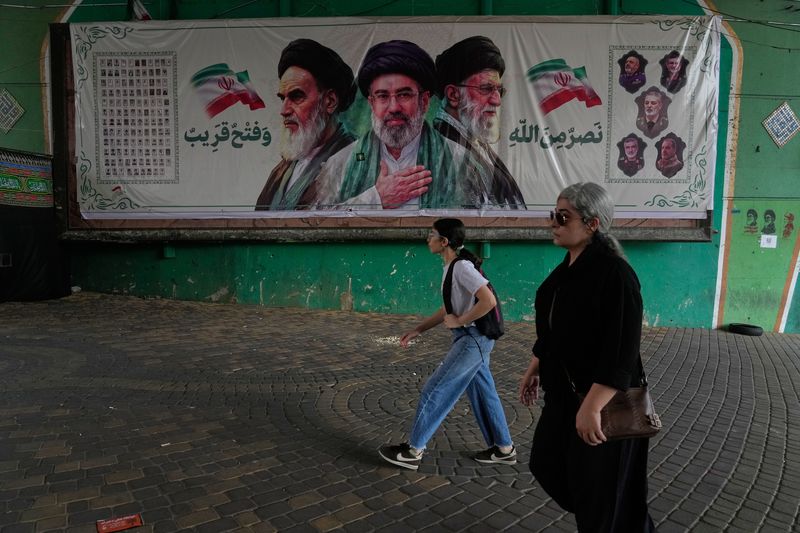
[Financial News] Israeli broadcaster Channel 12 reported on the 2nd, local time, that mediation efforts are under way to return the United States and Iran to the status of the Memorandum of Understanding (MOU) they signed last month.
According to Channel 12, the proposed mediation centers on fully reopening the Strait of Hormuz for 60 days without separate transit fees and extending the ceasefire between the two sides. Around the same time, Iranian state media also reported that talks between Iran and Oman on a joint mechanism to manage the Strait of Hormuz were in their final stage.
The earlier U.S.-Iran MOU required Iran to fully open the strait for only 60 days and imposed no restrictions after that period. However, the agreement collapsed after President Donald Trump demanded unconditional opening of the strait, while Iranian authorities insisted that Tehran had the right to control shipping routes.
President Trump said Iran had agreed to open the strait and announced that he had canceled a large-scale military strike on Iran. Iran immediately denied the claim, saying no such agreement had been reached.
In its report, Channel 12 said the plan to strike Iranian energy infrastructure, which initially included Israel, was scrapped just 24 hours before the operation was set to begin. It added that both Israeli authorities and U.S. Central Command learned of the cancellation only after President Trump posted about it on social media.
Emergency mediation by Gulf countries is said to have played a decisive role in preventing the U.S. attack.
After intensive talks with the United States, Iran, and Oman, Qatar asked President Trump for one more day and helped secure Iran's willingness to open the strait.
Mohammed bin Salman Al Saud, Crown Prince of Saudi Arabia, also called President Trump directly and strongly urged him to hold back from striking Iran. Trump later said on Truth Social that the attack had been canceled and that Iran had agreed to suspend its nuclear program.
The United Arab Emirates (UAE), however, took a very different approach from Saudi Arabia. According to The Wall Street Journal, the UAE persuaded Trump that the Islamic Revolutionary Guard Corps (IRGC) would not back down without a broader U.S. military operation, and that the United States should directly secure control of the Strait of Hormuz and even consider deploying ground forces if necessary. The UAE has already carried out its own strikes targeting Iran and has stationed Israeli air defense units on its territory to respond to Iranian attacks.
The Times of Israel reported that the Israeli military believes President Trump could change his mind at any time and is therefore maintaining its highest level of alert.
[email protected] Yoon Jae-jun Reporter