[Editorial] The KTX-SRT Merger Must Be Answered With Financial Stability and Better Service
- Input
- 2026-08-02 19:04:17
- Updated
- 2026-08-02 19:04:17
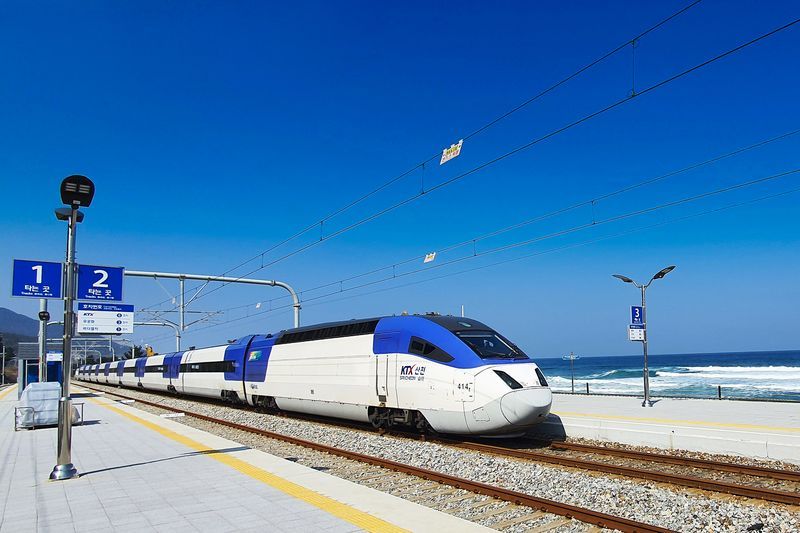
Still, the new integrated KTX is not being welcomed without reservations. SRT was introduced in 2016 as a competitive system designed to ease the problems caused by KORAIL's monopoly. It was meant to serve as a check on KORAIL's single-operator structure, which critics said led to stagnant service and lax management. Seen in that light, the merger effectively takes the competition structure back to square one. That is why concerns are growing over the side effects of a unified high-speed rail system. Once competitive pressure disappears, the incentive to innovate will likely weaken. Service quality could also drift downward toward mediocrity. There are fears that such ingrained management habits will ultimately worsen the financial structure of the integrated KTX organization. For that reason, the implementation process must be watched just as closely as the government's business plan.
First, the promised fare cuts and service expansions must be monitored to ensure they are not merely declarations but are actually carried out. The government has announced a three-year period for lower fares and more train services. But what happens after that is the real issue. Once that period ends, there is no guarantee that KORAIL will not raise fares or reduce seat supply in a market without competitors. No matter how strongly the government emphasizes efficient management, the loose innovation culture of public institutions remains a difficult problem to solve. Competition was deliberately introduced in the first place to break the harms of monopoly.
It will also be important to see whether service quality remains consistent after the organizational merger. With this decision, the two companies will begin integrating personnel and operations, including the unification of their separate reservation systems and mileage programs. Careful management is needed to prevent passenger inconvenience or gaps in safety oversight during the process. Since confusion may arise while the integrated system is being built, stable operations will be especially important for the time being.
Finally, safeguards must be put in place to keep the integrated high-speed rail operation in check. In a market without competitors, oversight by consumers and the government becomes the only restraint. Fare and service information should be disclosed transparently so the public can monitor it directly. In addition, if KORAIL's financial health deteriorates, care must be taken to ensure that the burden does not come back as higher fares or a drain on taxpayers.
The high-speed rail merger is only the beginning. The goal of the newly launched integrated KTX is to strengthen its own competitiveness and improve public convenience. We hope to see internal reforms that enhance the competitiveness of the high-speed rail business so that the old problems of poor management and bloated operations are not repeated. Ultimately, this should become a turning point that raises public satisfaction by improving the service quality of this public asset.