Could the number of U.S. rate-setting meetings be cut for the first time in half a century? Trump-nominated Fed chair under review
- Input
- 2026-08-01 09:37:49
- Updated
- 2026-08-01 09:37:49
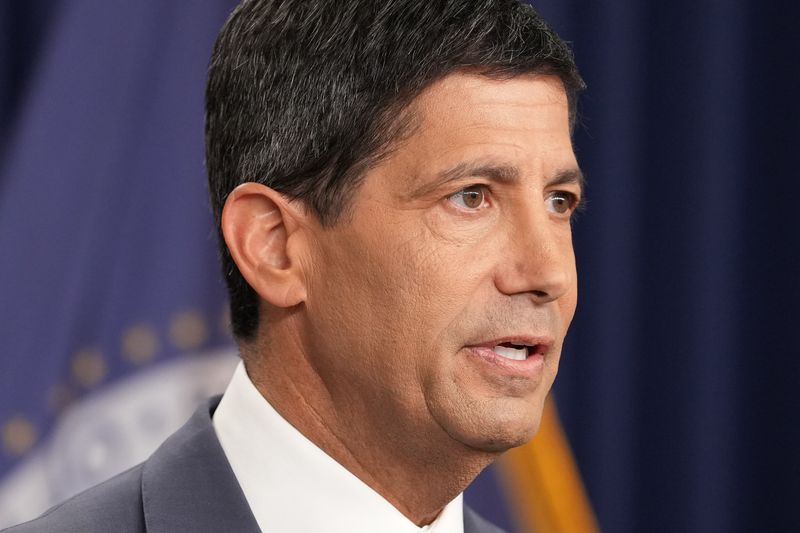
According to foreign media reports on the 1st, Kevin Warsh, the Fed chair nominated by U.S. President Donald Trump, is reviewing a plan to cut back those rate-setting meetings.
The New York Times reported, citing people close to Warsh, that he raised the possibility of changing the meeting frequency during the FOMC meeting held on the 28th and 29th.
A 1935 banking law requires the FOMC to hold at least four meetings a year, so reducing the number would not create a legal problem.
However, if meetings are held less often, opportunities to make monetary policy decisions would shrink, and the response to changes in inflation and employment conditions could become slower than it is now.
The New York Times also noted that fewer post-meeting statements and fewer press conferences by the chair could reduce the policy signals sent to markets and the public, potentially reversing decades of efforts to improve transparency.
Warsh, who took office in May, has been pushing reforms across the Fed's communication methods and overall operations, including changes in how it communicates with markets and limits on forward guidance for future monetary policy.
The Fed is currently reviewing issues in five areas, including communication, data, and the balance sheet, through a task force made up of outside experts. The New York Times said the Fed declined to comment on the matter.
Meanwhile, three Fed officials who recently dissented from the central bank's decision to keep rates unchanged at a monetary policy meeting publicly called for higher interest rates.
Beth Hammack, president of the Federal Reserve Bank of Cleveland, Neel Kashkari, president of the Federal Reserve Bank of Minneapolis, and Lorie K. Logan, president of the Federal Reserve Bank of Dallas, each issued statements saying inflation has remained above the Fed's 2% target for more than five years and arguing that rate hikes are needed.
The three opposed the decision at the FOMC meeting on the 28th and 29th to keep the benchmark rate unchanged at 3.50% to 3.75%.
In her statement, Hammack said current monetary policy is not restrictive enough to cool inflation.
She said, "The longer high inflation lasts, the greater the cost and the harder it becomes to bring it back down." She added, "Now is the time for the FOMC to act to quickly return personal consumption expenditures (PCE) inflation to the 2% target."
Logan also stressed, "Responding gradually now can reduce the chance of having to impose abrupt and shocking policy later," adding, "If the response comes too late, U.S. households and businesses could pay a much higher price."
[email protected] Kim Kyung-soo Reporter