U.S. Treasury Warns Banks It May Intervene to Defend the Yen
- Input
- 2026-08-01 03:53:21
- Updated
- 2026-08-01 03:53:21
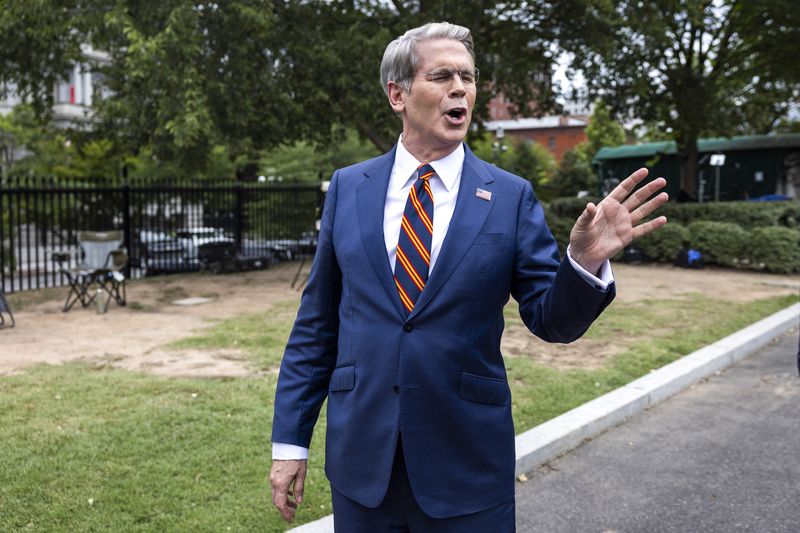
S. Treasury Secretary Scott Bessent answers reporters' questions outside The White House in Washington, D. C.
Department of the Treasury issued a verbal warning, saying it could intervene in the foreign exchange market to prevent a sharp fall in the value of the Japanese yen. The Financial Times reported on the 31st of last month, local time, citing sources, that "the Treasury Department warned several banks through the Federal Reserve Bank of New York that it could intervene in the yen exchange rate today and told them to prepare.
" The yen strengthened sharply the previous day, rising as much as 3% against the U. S.
dollar. Market participants pointed to heavier trading volume and concluded that the Japanese government likely intervened.
Treasury Secretary Scott Bessent hinted at possible coordination between the United States and Japan in a post on social media platform X. At the G20 finance ministers' meeting in North Carolina in August, Bessent said he would meet his longtime friend, Bank of Japan (BOJ) Governor Kazuo Ueda, and stressed that the two countries "continue to maintain strong ties and close coordination.
" With the BOJ leaving its benchmark rate unchanged at 1%, as expected, markets are now pricing in the possibility of a rate hike in September. 25 percentage point increase has risen from 30% earlier in the week to around 40% now.
Governor Ueda pointed to demand related to artificial intelligence and exchange-rate volatility as risk factors, saying that the BOJ "could speed up the pace of rate hikes. " Mizuho market strategist Masayuki Nakajima described it as "exactly the headline the market wanted.
" He said Ueda's news conference was "clearly hawkish" and added that the BOJ governor had succeeded in meeting market expectations. Meanwhile, according to sources, the Federal Reserve Bank of New York carried out a so-called dollar-yen rate check on behalf of the Treasury Department the previous day.
Such checks, in which banks active in foreign exchange trading are asked about current exchange rates, are generally seen as a preliminary step before direct currency intervention. The New York Fed took the same action in January as well.
26%, against the U. S.
dollar.
S. Treasury Secretary Scott Bessent answers reporters' questions outside The White House in Washington, D. C.
S. Treasury Secretary Scott Bessent answers reporters' questions outside The White House in Washington, D. C.
[email protected] Song Kyung-jae Reporter