Doosan to Acquire SK Siltron for Won 2.3 Trillion, Completing Semiconductor Vertical Integration from Wafers to Testing
- Input
- 2026-07-31 17:50:05
- Updated
- 2026-07-31 17:50:05
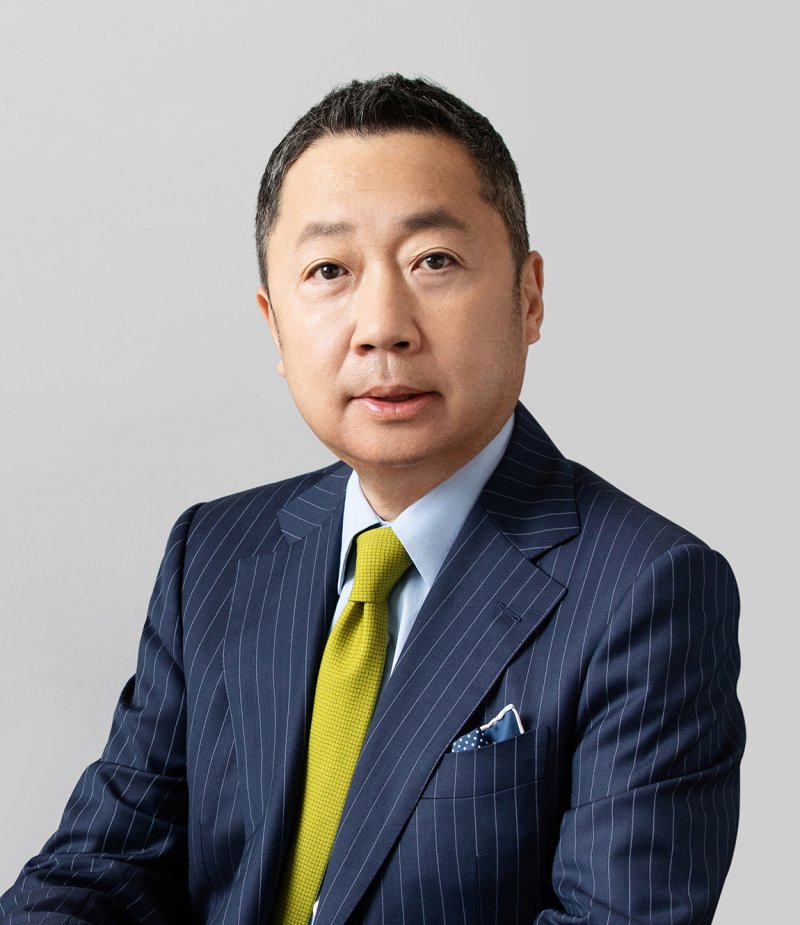
[Financial News] Doosan will acquire SK Siltron, the country's only semiconductor wafer maker, for Won 2.3 trillion, expanding its business into the front-end process. Three years after acquiring DOOSAN TESNA, a back-end testing company, in 2022, the group is making another major deal that will reshape its semiconductor and advanced materials portfolio from materials to testing.
According to industry sources on the 31st, Doosan Corp. disclosed that it held a board meeting earlier in the day and approved a stock purchase agreement to acquire the 70.6% stake in SK Siltron held by SK. The acquisition price is estimated at Won 2.3 trillion and will be finalized after future purchase price adjustments.
"The top five players control 90%"... Barriers to entry are the valuation
Founded in 1983, SK Siltron is the only company in South Korea with silicon wafer manufacturing technology for semiconductors. Last year, it posted sales of about Won 2 trillion and operating profit of more than Won 400 billion. Its steady double-digit operating margin as a materials company is the starting point of this deal.
Wafers are a core material that forms the foundation of semiconductor chip production. Because every front-end process takes place on the wafer surface, wafer quality has a decisive impact on overall yield. That is why wafers are classified not as simple materials, but as high-value-added products that concentrate technology and quality.
The market structure itself is a strong barrier. In the global silicon wafer market, five companies — SK Siltron, Japan's Shin-Etsu Chemical and SUMCO Corporation, Taiwan's GlobalWafers, and Germany's Siltronic — hold more than 90% of the market. It is a structure that makes it difficult for new entrants to emerge, and it typically takes years just to pass customer qualification. SK Siltron's ability to count SK hynix, Samsung Electronics, and TSMC among its customers is also the result of that trust.
Its main products are 300 mm (12-inch) and 200 mm (8-inch) wafers. Among them, the 12-inch wafer is regarded as globally competitive in the top three.
Doosan, a holding company with a stable cash cow
Doosan Corp. is an operating holding company. Its own business performance is effectively driven by Electronic BG, which handles electronic materials. Electronic BG has recently delivered strong results as global big tech companies have increased purchases of copper clad laminate products for AI accelerators.
The problem was volatility. Because earnings are tied to the AI investment cycle upstream, the group needed a business that could generate cash regardless of the cycle. The wafer business, built on long-term supply contracts, fills that gap. Wafers are typically sold under long-term supply agreements lasting about five years, which makes both demand and pricing highly predictable.
An investment banking industry source said, "The wafer business has lower earnings volatility than upstream semiconductors, and its contract structure provides clear cash flow visibility," adding, "It is a suitable asset for a holding company to secure stable dividend resources."
Doosan expects SK Siltron's wafer business to grow at an average annual rate of around 7% and has set a sales target of about Won 3 trillion for 2031. The expansion of AI data centers is driving higher demand for 12-inch wafers, supported by increased production of high-bandwidth memory and server DRAM, as well as the expansion of leading-edge foundry processes.
From back-end to front-end... Reorganizing the group's three pillars
Doosan Group currently has three main pillars: energy, led by Doosan Enerbility and Doosan Fuel Cell; smart machines, led by Doosan Bobcat and Doosan Robotics; and semiconductors and advanced materials, led by Doosan Corp.'s Electronic BG and DOOSAN TESNA.
The strategic significance of this acquisition lies in the third pillar. In 2022, Doosan entered the back-end segment by acquiring DOOSAN TESNA, the country's No. 1 semiconductor testing company. With this deal, it secures the front end of wafer manufacturing and now has a value chain linking materials, wafers, and testing.
This also aligns with the group's shift in identity from energy and machinery toward semiconductors and advanced materials. Given that Doosan Enerbility is targeting AI data center power demand through nuclear power and gas turbines, the group is pursuing the AI infrastructure value chain from both the power and materials sides.
For SK, the seller, the deal is part of its broader business rebalancing. SK Group has focused on keeping semiconductors, AI, and power as its core pillars while trimming non-core and overlapping assets to improve its financial structure. The influx of trillions of won in cash could expand its room for AI investment centered on SK hynix.
Meanwhile, SK Siltron's U.S. subsidiary, which operates a silicon carbide wafer business, will be liquidated. The move appears to reflect slower-than-expected growth in the SiC power semiconductor market as electric vehicle demand has weakened. By winding down loss-making operations and concentrating resources on its core silicon wafer business, the company could further improve profitability after the acquisition.
Its future strategy has two tracks. In memory wafers, it aims to become a global top-two player by expanding business with existing key customers and winning new ones. In non-memory wafers, it plans to raise market share through technology development and customer acquisition in a market effectively dominated by Japan's Shin-Etsu Chemical and SUMCO Corporation.
Doosan believes the existing five-player competitive structure has already stabilized because barriers to entry, such as technology and customer trust, are so strong. The company sees room to focus on expanding market share with relatively low risk of market disruption.
Attention is now shifting to financing and whether the company will go public. Doosan has made clear that it does not plan to list SK Siltron. Instead of recovering funds through an initial public offering, it is choosing a structure that brings cash up to the holding company through dividends.
A Doosan official said, "With this acquisition agreement, Doosan Corp. has secured a future growth engine and established a sustainable earnings base," adding, "SK Siltron will not be listed, and we will work even harder to enhance shareholder value at Doosan Corp. based on a stable business portfolio."
[email protected] Kang Gu-gwi Reporter