Criminal Procedure Act Amendment Abolishing Prosecutors' Supplemental Investigation Rights Passes; Cheong Wa Dae Says It Respects the National Assembly's Decision
- Input
- 2026-07-31 17:09:58
- Updated
- 2026-07-31 17:09:58
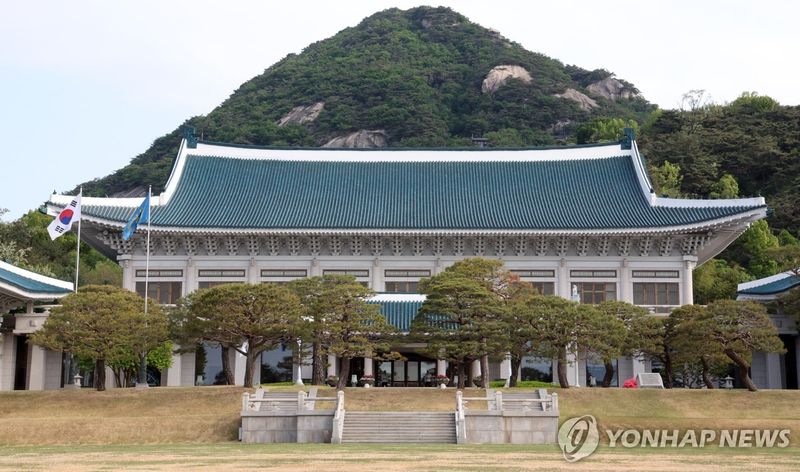
[Financial News] Cheong Wa Dae said on the 31st that it "respects the National Assembly's legislative process and final decision" regarding the passage of a revision to the Criminal Procedure Act of the Republic of Korea, which centers on abolishing prosecutors' supplemental investigation rights.
Sung Ki-hong, Senior Presidential Secretary for Public Relations and Communications, said in a media notice that day, "Cheong Wa Dae respects the National Assembly's legislative process and final decision."
Sung said the revision to the Criminal Procedure Act of the Republic of Korea will separate investigations from prosecutions to prevent the concentration and abuse of power. He added that it will also raise the level of protection for victims and the public, bringing the criminal justice system one step closer to the people.
He also said, "Cheong Wa Dae will do its utmost to ensure that the revision is implemented smoothly in the field and that the public can feel the changes in their daily lives."
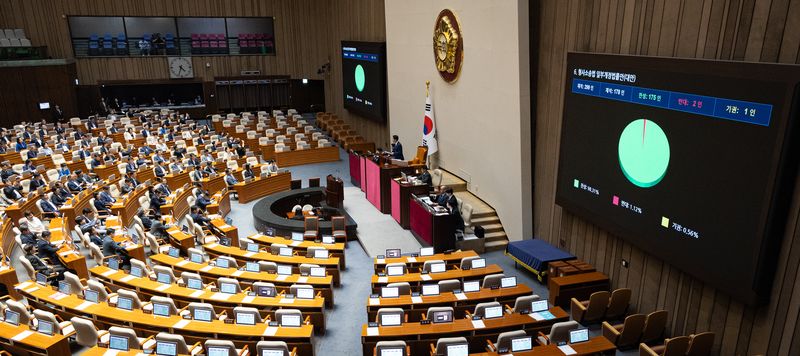
The National Assembly approved the revision to the Criminal Procedure Act of the Republic of Korea at the plenary session that day. The bill passed with 175 votes in favor, 2 against, and 1 abstention among 178 lawmakers present. The People Power Party opposed the bill and staged a filibuster before boycotting the vote.
The revision separates investigations from prosecutions, blocking prosecutors from conducting direct investigations and abolishing their supplemental investigation rights. However, prosecutors may still request supplementary investigations from judicial police officers, and the police must complete them within one month and report the results to prosecutors. If necessary, the investigation period may be extended by up to one additional month.
The bill also includes measures to protect victims. If the police decide not to refer a case for prosecution, complainants, victims, and accusers may file objections. It also grants them access to case records for inspection and copying when needed.
However, controversy over abolishing prosecutors' supplemental investigation rights has continued to grow. The ruling party has argued that separating investigations from prosecutions will ease the concentration of prosecutorial power and normalize the criminal justice system. On the other hand, not only the opposition but also some within the ruling bloc have pointed to cases such as the Jang Yoon-ki case, where police investigations were criticized as inadequate, and have warned that weakening prosecutors' supplemental investigation function could make it harder to determine the truth of a case.
There are also differing views on whether the victim protection measures will work properly in practice. Although the revision guarantees the right to object to non-referral cases and access to records, debate is expected to continue over whether there are sufficient tools to address inadequate investigations now that prosecutors' direct supplemental investigations have been abolished.
[email protected] Sung Seok-woo Reporter