Preparations for launch of special counsel probe into NEC intensify as remaining questions over alleged flawed election and cover-up persist
- Input
- 2026-07-31 15:58:24
- Updated
- 2026-07-31 15:58:24
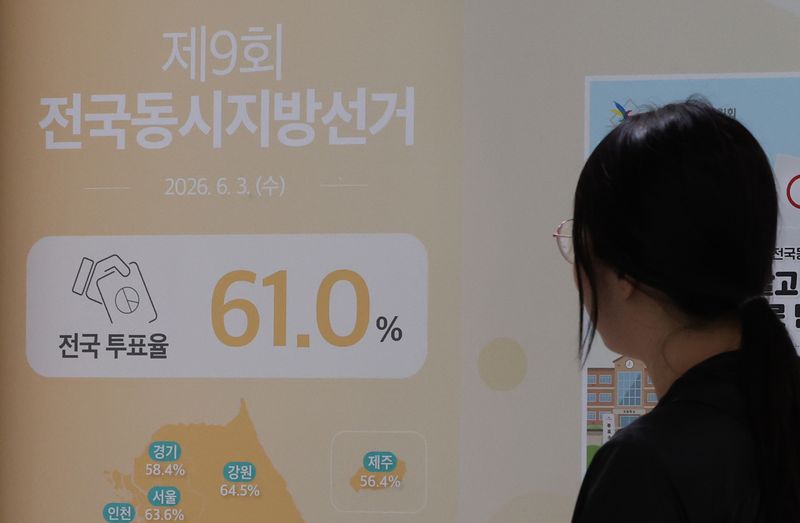
[Financial News] The so-called special counsel bill on the NEC, which will investigate alleged violations of voting rights during the June 3 local elections and suspicions of corruption in the operation of the National Election Commission (NEC), has passed the National Assembly. Related cases handled by the joint task force of prosecutors and police are expected to be transferred to the special counsel, allowing the investigation to move into full swing.
According to the legal community on the 31st, the National Assembly passed the special counsel bill on the NEC in a plenary session the previous day. Once President Lee Jae-myung approves the bill at the State Council of South Korea, the formal process to appoint a special counsel and prepare the investigation will begin.
The special counsel will be appointed after candidates are recommended through a public recommendation committee. The committee will select two candidates for special counsel from among six nominees recommended by the Korean Bar Association (KBA) and the Council of Law Schools, with each group recommending three.
The investigation covers 12 items, including allegations of voting-rights violations caused by ballot shortages, suspicions that vote counting was pushed ahead despite the shortage, procedural violations in the process of lowering the minimum threshold for printed ballots, and allegations of false election statistics entries.
It also includes allegations of wasteful overseas trips by current and former NEC commissioners and staff, preferential hiring and promotions for their children, and favoritism in private contracts, as well as suspicions of poor management, weak security, and flaws in the election management system. In addition, complaints and criminal referrals related to the local elections, along with newly identified cases discovered during the investigation, will also be examined.
The special counsel team will consist of about 165 people, including five deputy special counsels, 70 special investigators, up to 20 prosecutors on secondment, and up to 70 government officials on secondment. Once appointed, the special counsel will have a 20-day preparation period, followed by a 90-day investigation. If needed, the probe can be extended twice, allowing it to run for up to 150 days.
Until now, cases related to the NEC have been investigated by the joint task force. The task force has focused on the ballot shortage incident, allegations of wasteful overseas trips, and suspicions of false voter-count entries.
Recently, it has been moving faster on the probe into the alleged false voter-count entries. After raiding the NEC and securing related materials, the task force summoned the head of the Gwangjin District Election Commission office in Seoul, who is under suspicion of violating the Public Official Election Act and abuse of authority. On the same day, it also questioned as a suspect a mid-level NEC official accused of ordering false entries in voter statistics, on charges including obstruction of business.
Once the special counsel is launched, related case files and investigative personnel are expected to be transferred to the special counsel team. In particular, investigators are likely to focus on determining whether similar false entries occurred nationwide beyond the cases already acknowledged by the NEC, as recent findings in parts of Gyeonggi Province suggest that after voter counts were entered incorrectly and later corrected, figures from different time slots may also have been falsely entered. If key suspects are identified, authorities may also seek to secure their custody, including by requesting arrest warrants.
[email protected] Choi Eun-sol Reporter