"U.S. Joins In" Surprise Japanese Intervention Sends Yen-Dollar Rate Tumbling
- Input
- 2026-07-31 08:11:53
- Updated
- 2026-07-31 08:11:53
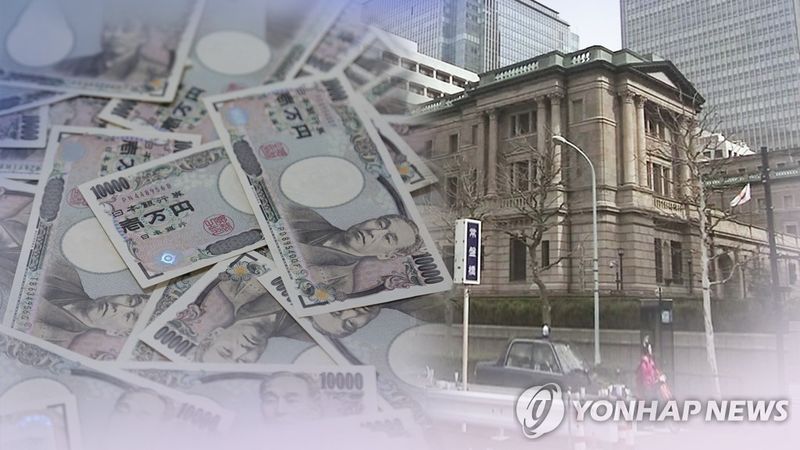
[Financial News, Tokyo = Reporter Seo Hye-jin] As the Japanese government and the Bank of Japan (BOJ) stepped into the foreign exchange market with large-scale yen-buying and dollar-selling intervention, the USD/JPY exchange rate briefly plunged to the 157-yen range per dollar, strengthening the yen. Reports also said the New York Fed carried out a so-called rate check, a step taken before intervention, raising speculation that the United States and Japan had unusually coordinated efforts to curb yen weakness.
According to Nikkei on the 31st, the USD/JPY exchange rate in the New York foreign exchange market fell as low as 157.80 yen per dollar at one point on the 30th local time.
Within about 50 minutes from around 9:30 a.m. Eastern Time, the rate dropped by roughly 5 yen from around 162.80 yen per dollar. The market believes the Japanese government carried out large-scale currency intervention.
The rate later recovered to the upper 159-yen range, but fell again to the 158-yen range in the afternoon after news emerged that the New York Fed had conducted a rate check on major banks at the direction of the U.S. Treasury Department.
It is highly unusual for Japanese and U.S. authorities to intervene in the foreign exchange market at the same time. Nikkei reported that the U.S. Treasury Department did not respond to related inquiries.
Market participants say the intervention was a surprise move designed to catch investors off guard. The USD/JPY exchange rate reached the 163-yen level on the 21st, the first time in about 40 years, and later approached 164 yen. But because the pace of the yen's decline had been relatively gradual, the market had seen a government intervention as unlikely.
In fact, demand in the currency options market for protection against yen strength had already slowed from its peak earlier this month. Implied volatility, which reflects expected exchange-rate swings over the next month, also fell below 6 percent, marking its lowest level in about four and a half years. Market vigilance had eased significantly.
Experts also pointed to the weaker dollar trend after the Federal Open Market Committee (FOMC) as a background factor behind the Japanese government's decision to intervene.
The Federal Reserve kept its policy rate unchanged on the 29th, and U.S. growth and inflation data released afterward also came in below market expectations, leaving the dollar weaker against major currencies. Analysts say authorities may have judged that intervening in line with an already weakening dollar could maximize the effect.
The market is also paying renewed attention to the July 2024 case.
At that time, the Japanese government and the BOJ carried out a total of 5.5 trillion yen in currency intervention over two days. The yen then strengthened by as much as nearly 20 yen as a BOJ rate hike coincided with slowing U.S. inflation.
Speculative net short positions in the yen, based on Commodity Futures Trading Commission (CFTC) data, are also nearing the previous peak. If short positions are unwound all at once, the yen could strengthen even further.
Attention now shifts to the BOJ's Monetary Policy Meeting, which concludes today, and Governor Kazuo Ueda's news conference.
The market expects the benchmark rate to remain unchanged, but if Governor Ueda signals the possibility of another rate hike sooner than expected, the yen's gains could accelerate further.
[email protected] Seo Hye-jin Reporter