[Editorial] South Korea’s Growth at 3%, Japan’s Cut to 0.9%: Semiconductors Made the Difference
- Input
- 2026-07-30 18:11:49
- Updated
- 2026-07-30 18:11:49
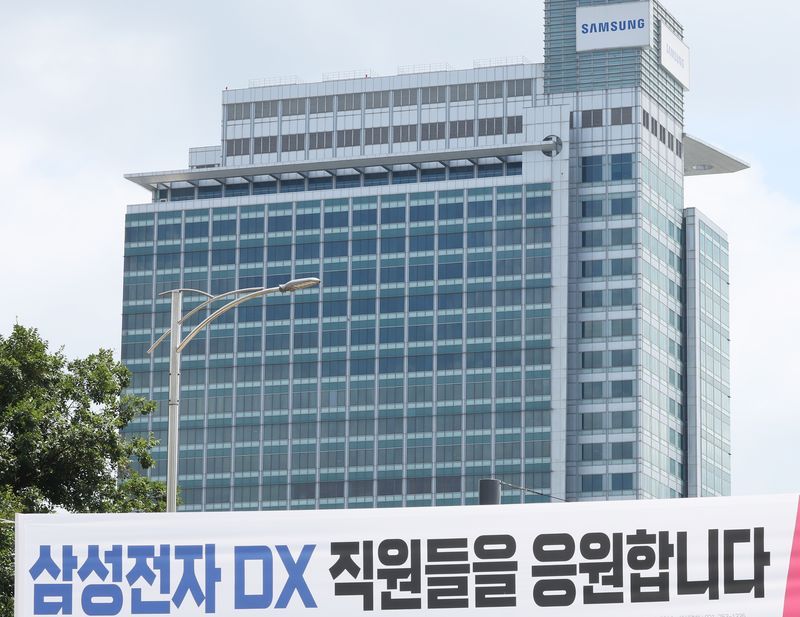
Together with SK hynix, which released its quarterly results the previous day, South Korean semiconductor companies are enjoying the best boom in their history. Samsung Electronics’ earnings per share came to 10,849 won, among the highest among global tech companies. It is a welcome development that Samsung Electronics, once criticized for delays in high-bandwidth memory (HBM) development, has risen in a short time to become one of the world’s top companies.
What remains worrying, however, is how long the semiconductor upturn, which rises and falls like a business cycle, will last. Samsung Electronics said demand requests continue for both DRAM and NAND flash memory, and that nearly all customers are seeking multi-year supply contracts, suggesting there is little need to worry about weak sales for now. The company added that it has completed contracts with five major global data center customers and is in the final stages of negotiations with five large clients tied to demand for Artificial Intelligence (AI).
If things proceed as described, neither Samsung Electronics nor the broader economy will have much to worry about for the next few years. Although dependence on semiconductors is high, their contribution to the economy is so large that there is no better national asset. South Korea’s growth rate is expected to exceed 3%, and per capita Gross Domestic Product (GDP) is finally projected to surpass $40,000, all thanks to semiconductors.
Japan, where the semiconductor industry is weak, cut its growth forecast for this year from 1.3% to 0.9% on the same day. Japan’s case shows clearly why we must continue to devote all-out efforts to nurturing advanced industries, including semiconductors. Japan was once a leader in semiconductors, but its industry declined after it failed to respond properly to market changes.
Neither Samsung Electronics nor the government should be satisfied with record results or become complacent. Major rival countries, including Taiwan and the United States, will not simply stand by and watch South Korea’s semiconductor industry grow at this pace. We must keep thinking about how to win in fierce competition and fend off the challengers.
Rival countries are pouring in astronomical sums under massive government support as they race to pull ahead of one another. Among them, the rapid rise of latecomer China will pose a major threat going forward. If we neglect technology development for even a moment, we could fall behind the leaders again. That would also mean serious trouble for the national economy.
Samsung Electronics and SK hynix are set to post unprecedented operating profits this year. But even if the profits are enormous, neither the government nor employees should think this is the time to divide them up in bonuses and other payouts. They should recognize for themselves, while looking at the global semiconductor market where competition is as fierce as war, that this is not the moment for such thinking.
The source of victory in competition is investment capacity. Looking at the investment plans of Samsung Electronics and SK hynix, even profits worth hundreds of trillions of won do not seem abundant. The funds needed for fab construction in Yongin and the southwest region alone exceed that amount. Large sums will also have to be poured into overseas plants, including those in the United States.
We must create a virtuous cycle in which we invest as much as we earn, generate even greater profits, and then reinvest those gains. That is difficult without the cooperation of employees. On top of that, it is worrying that the government is also looking for ways to share out the profits even as huge earnings are being made.