U.S. Oil Inventories Hit Danger Level as Some Refinery Utilization Reaches 100%
- Input
- 2026-07-30 04:23:49
- Updated
- 2026-07-30 04:23:49
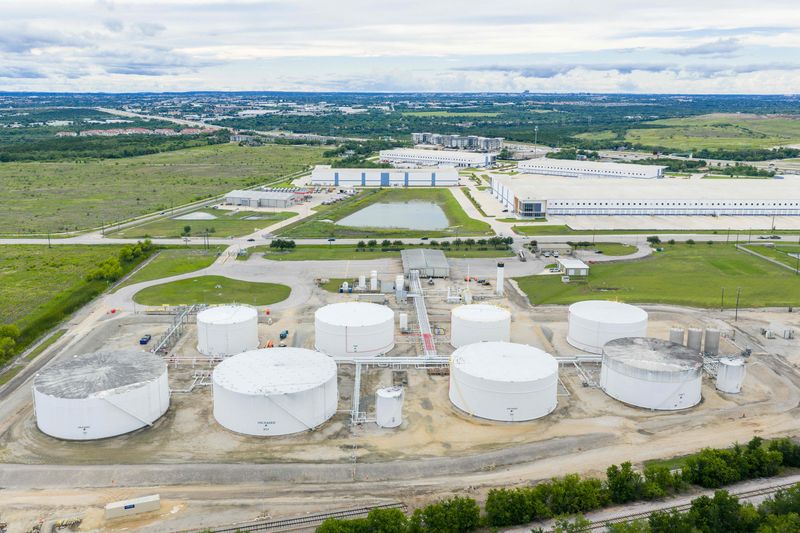
As U.S. President Donald Trump threatened further attacks on Iran on the 29th local time, U.S. oil inventories were found to have plunged last week and reached a dangerous level.
The surge in oil prices has prompted refiners to ramp up production to benefit from higher prices.
The Financial Times reported that crude inventories held by U.S. companies fell by 7.2 million barrels in a week, while the strategic petroleum reserve (SPR) held by the government dropped by 3.8 million barrels. Refiners are increasing output of gasoline, diesel and jet fuel. According to the U.S. Department of Energy's announcement that day, U.S. refinery utilization reached 97%, and some facilities in the Midwest hit 100%.
U.S. refiners are processing shale oil and selling it at high prices in Asian and European markets.
The sharp rise in overseas prices for petroleum products is being driven by the war between the United States and Iran. With attacks resuming between the two sides over the past week, passage through the Strait of Hormuz has been effectively blocked, causing severe disruptions to oil supplies.
Analysts warned that supply disruptions have pushed crude and gasoline inventories far below expected levels, making it increasingly difficult to rely on the United States as the oil market's last refuge.
Matt Smith, an analyst at Kpler, said, "U.S. crude inventories, including both commercial stocks and the SPR, have fallen by nearly 20% since early April," adding, "About 70% of the global drawdown in onshore crude inventories over the past four months came from the United States."
Smith added, "During this period, the United States helped stabilize oil prices through SPR releases and expanded exports, but inventories have fallen rapidly," and warned that "this pace of inventory decline cannot continue indefinitely."
Lori Johnston, an oil market analyst and founder of Commodity Context, warned that U.S. crude and gasoline inventories have fallen to perilously low levels and reached a danger zone.
The U.S. government has continued SPR releases and has so far put 3.8 million barrels into the market. The SPR has shrunk to 307.7 million barrels, the lowest level in more than 40 years.
According to analysts, the 'minimum operating level' at which further releases could damage infrastructure and disrupt pipeline operations is estimated at 180 million to 200 million barrels. That means only 107.7 million barrels of the remaining SPR would be available for use after subtracting 200 million barrels.
As reserve stocks run dry, the market's buffer is disappearing. Experts warn that if the SPR is pushed to its minimum operating level, crude prices could surge.
Brent Crude Oil for September delivery, the global benchmark, jumped 8% to close at $90.74 per barrel amid Trump's warning.
[email protected] Song Kyung-jae Reporter