Indictment Was Vague, Yet Convicted Anyway? Supreme Court Says 2nd Trial Was Wrong Not to Seek Clarification
- Input
- 2026-07-29 16:45:16
- Updated
- 2026-07-29 16:45:16
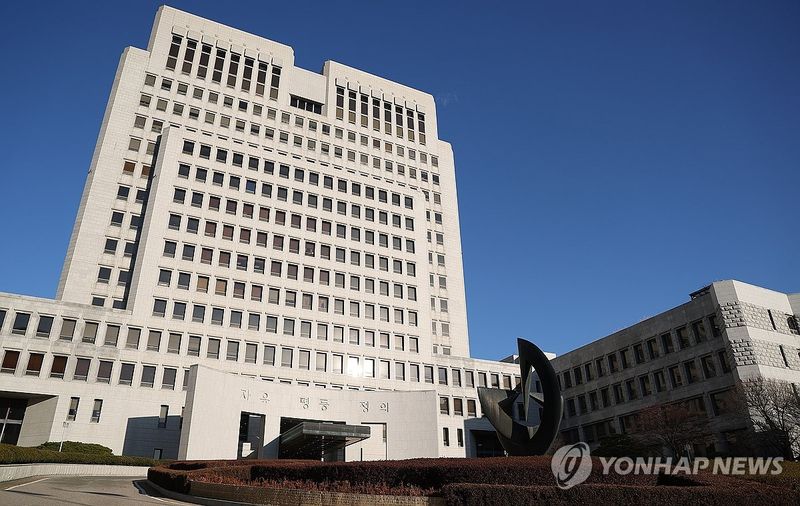
[Financial News] The Supreme Court of Korea has ruled that when an indictment can be interpreted in multiple ways and the applicable law is unclear, the court should have asked the prosecutor for clarification.
According to the legal community on the 29th, the Second Division of the Supreme Court of Korea, presided over by Justice Eom Sang-pil, overturned on the 5th of last month a lower court ruling that had fined A, who was indicted for violating the Personal Information Protection Act, and sent the case back to the Jeonju District Court.
A, a mobile phone retailer, was brought to trial on charges of asking B, an employee in charge of personal data processing at LG Uplus, twice in February and June 2023 to provide him with Oh's phone number from the telecom carrier inquiry system without the victim's consent.
The first- and second-instance courts found A guilty under Article 71, Item 1 of the Personal Information Protection Act, which punishes anyone who provides personal information to a third party without the data subject's consent, as well as anyone who receives such information knowing that it was provided under those circumstances. A was fined 3 million won.
However, after reviewing the indictment on its own initiative, the Supreme Court said the lower court failed to provide the necessary clarification and examine the case properly, even though the applicable legal provision was not clear. It therefore overturned the ruling and sent the case back.
The indictment against A contained both the phrase, "A person who processes or has processed personal information shall not do so without the consent of the data subject," and the phrase, "A person who discloses personal information learned in the course of duty shall not do so." The prosecution applied Article 71, Item 1 of the Personal Information Protection Act, and the first- and second-instance courts accepted that view and convicted A.
The Supreme Court, however, pointed out that the same indictment could also be interpreted as a violation of former Article 71, Item 5 of the Personal Information Protection Act, now Article 71, Item 9. That provision punishes "a person who discloses personal information learned in the course of duty" and "a person who receives such information knowing that it was disclosed for profit or by improper means." While the original charge and the statutory penalty are the same, the elements of the offense differ.
The Supreme Court said the second trial not only misjudged the charges against A, but also failed to exercise the court's power to seek clarification and ask the prosecution to make the purpose of the indictment clear. Under criminal procedure rules, this is the presiding judge's authority to request explanations from prosecutors, defense counsel, or the parties in order to clarify the issues in dispute.
"When different interpretations of the indictment are possible, the purpose of the prosecution is not clear and the defendant's ability to exercise the right to defend may be impaired," the court said. "In such a case, the lower court should have asked the prosecutor to clarify which offense the indictment was based on, examined whether the elements of the crime were satisfied, and then determined guilt or innocence."
[email protected] Kim Dong-gyu Reporter