HD Hyundai Heavy Industries Employees Who Destroyed Evidence Ahead of Company Probe Acquitted in Remanded Trial
- Input
- 2026-07-29 10:34:12
- Updated
- 2026-07-29 10:34:12
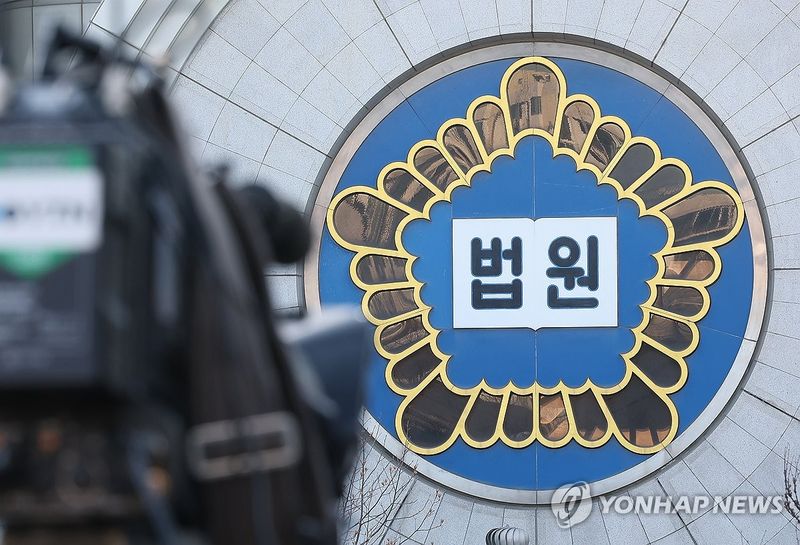
[Financial News] Employees of HD Hyundai Heavy Industries who were indicted for destroying key materials ahead of a government investigation into the company were acquitted in a remanded trial.
According to the legal community on the 29th, a criminal appellate division of the Seoul Central District Court, presided over by judges Song Jungho, Eom Cheol and Yoon Won-muk, acquitted A, an executive in HD Hyundai Heavy Industries' offshore plant partner support team, and B, the team leader, on the 23rd. They had been charged with instigating evidence destruction and destroying evidence.
A was accused of ordering a subordinate to destroy relevant evidence between July and October 2018, as an investigation by the Korea Fair Trade Commission (KFTC) and other authorities into suspected violations of the Act on the Fair Transactions in Subcontracting by HD Hyundai Heavy Industries was imminent.
B was accused of deleting related materials with other employees after receiving A's instructions.
The key issue in the trial was whether they had destroyed or instigated the destruction of evidence in another person's criminal case. Under the Criminal Act, evidence destruction is punishable only when it involves evidence related to another person's criminal case. If a person destroys evidence for their own benefit while facing possible criminal or disciplinary action, that conduct is not subject to punishment.
The first trial acquitted them, but the appeals court handed down suspended prison sentences. It found that destroying evidence in preparation for a company investigation constituted evidence destruction in another person's criminal case.
However, the Supreme Court of Korea concluded that they destroyed evidence for their own benefit in a situation where they could face criminal punishment under joint penalty provisions.
The remanded trial, following the Supreme Court's ruling, said, "There is room to view the defendants' destruction of evidence as an act carried out for their own benefit," and acquitted them.
The court noted that both men told investigators that their work was unrelated to any violation of the subcontracting law and that they had no intention of destroying evidence of their own crimes.
It added, however, that this only meant they were not acting with a private purpose, and could not be interpreted as a legal admission that they had destroyed evidence in another person's criminal case.
[email protected] Jung Kyung-soo Reporter