"U.S. Conducts On-Site Inspections at Chinese-Owned Factories in Vietnam, Unannounced Checks for 'Label Switching' Re-Exports"
- Input
- 2026-07-29 01:01:21
- Updated
- 2026-07-29 01:01:21
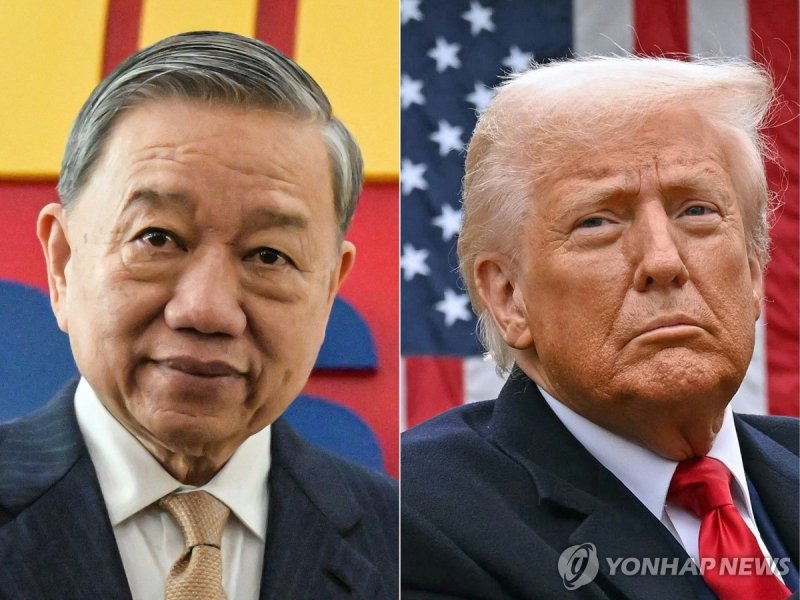
According to foreign media reports on the 28th, U.S. Customs and Border Protection (CBP) recently inspected Chinese-owned factories in Vietnam, examining raw material supply chains, production processes, and related documents. The checks were intended to verify the local value-added ratio of goods exported to the United States and to determine whether software (SW) intellectual property rights (IP) had been infringed.
However, it was reported that the investigation did not uncover conclusive evidence that Chinese-made products had been routed through Vietnam and exported to the United States after only their country of origin was changed.
Even so, concerns are growing in and outside Vietnam that the probe could later be used as a basis for additional tariffs. During trade negotiations, the Trump administration has repeatedly urged Vietnam to block re-exports of Chinese goods through so-called 'label switching.' Earlier this month, Jamieson Greer, the U.S. Trade Representative, also publicly pointed to the illegal transshipment of Chinese products into the United States with 'Made in Vietnam' labels attached.
On the 23rd, the United States introduced a 'forced labor tariff' of 10% to 12.5% on 60 countries worldwide and applied a 12.5% tariff to Vietnam as well. In response, Vietnam's Foreign Ministry expressed regret in a statement, saying its efforts to eradicate forced labor were not adequately reflected.
The Vietnamese government is also stepping up enforcement against intellectual property rights violations and illegal transshipment, mindful of U.S. concerns. It recently seized 50,000 pairs of counterfeit Nike sneakers, and in a report submitted to USTR in April, it said it had detected and handled about 20,000 IP infringement cases between 2021 and 2025.
The United States and Vietnam have continued detailed negotiations since reaching a 'reciprocal trade agreement framework' last year, but the talks are reportedly facing difficulties due to differences over illegal transshipment and non-tariff barriers.
[email protected] Kim Jun-seok Reporter