Nikkei Falls Nearly 4% on 'AI Shock from Korea'; KIOXIA Hits Intraday Limit Down
- Input
- 2026-07-28 15:51:30
- Updated
- 2026-07-28 15:51:30
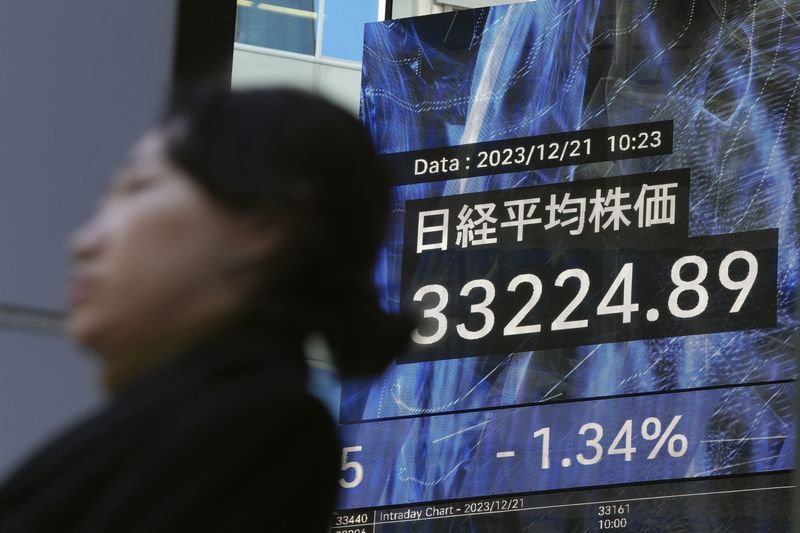
[Financial News, Tokyo = Reporter Seo Hye-jin] Japan's stock market plunged by nearly 4% on the 28th, dragged down by a sharp selloff in AI semiconductor stocks. As concerns grew that competition would intensify following the listing of a Chinese memory chip maker's parent company, selling spread from Korean chip stocks to Japanese AI-related shares. KIOXIA, Japan's flagship semiconductor stock, even fell to its intraday limit-down level.
According to Nikkei, Inc., the Nikkei Stock Average on the Tokyo Stock Exchange closed at 62,364, down 2,566 points, or 3.95%, from the previous session. At one point during the session, the index's losses widened to more than 3,000 points, breaking below its 75-day moving average, a key technical support level.
AI and semiconductor-related stocks fell across the board. KIOXIA dropped to its intraday limit-down level, and its market capitalization ranking briefly slid from first to seventh. Advantest and Tokyo Electron each lost more than 10%, while SoftBank Group also fell below 5,000 yen per share for the first time in about two months.
The immediate trigger for the selloff was the previous day's stock market debut of the parent company of CXMT, a Chinese memory chip maker.
In the market, concerns spread that aggressive capacity expansion and price competition by Chinese companies could worsen the memory chip industry outlook. As a result, Korean chip stocks such as SK hynix and Samsung Electronics plunged, and selling pressure spread to Japanese AI and semiconductor shares.
Nikkei described the latest correction as a "second shock from the AI stock slump in Korea." If the correction that began last month over vague concerns such as ETF regulations and fatigue from the AI rally was the "first shock," analysts say this latest move reflects fears that the rise of Chinese companies could make intensifying competition in the memory industry a reality.
Wang Xi, head of the information department at Aizawa Securities, said, "More investors are coming to believe that high profit margins cannot be sustained," adding, "The emergence of a new competitor has sharply dampened investor sentiment."
Headwinds from the United States also added to the pressure. Reports that the United States government is considering a $250 billion loan guarantee for OpenAI's large-scale data center construction plan heightened concerns about the financial burden of expanding AI investment.
Kubota Tomoichiro, chief analyst at Matsui Securities, said, "Stop-loss selling by retail investors who had been buying the dip in a falling market is triggering a chain reaction, leading to avalanche-like selling."
Reports that a Chinese state-owned company is pushing ahead with the development of deep ultraviolet (DUV) lithography equipment needed for semiconductor manufacturing also weighed on investor sentiment. As a result, ASML plunged in the Netherlands, and selling spread to Japanese semiconductor equipment stocks.
Still, some market participants say funds are rotating into sectors outside AI and semiconductors. As fears of military conflict between the United States and Iran eased, international oil prices fell 7.5%. Auto stocks such as Honda, Mazda and Mitsubishi Motors rose on expectations of lower input costs, while defensive shares including railways and pharmaceuticals also strengthened.
Yamaguchi Masahiro, head of the investment research division at SMBC Trust Bank, said, "The market is reacting too strongly to AI and semiconductor-related catalysts."
Market participants are watching earnings announcements from SK hynix, Microsoft and Meta Platforms, scheduled for the 29th, as a potential turning point for the current correction in AI stocks.
Muramatsu Kazuyuki, head of asset management at Wa Capital, said, "If the earnings of major tech companies meet market expectations, risk appetite could recover even without any major positive catalyst."
[email protected] Seo Hye-jin Reporter