China, in Pursuit of Samsung and SK hynix, Begins Mass Production of DUV Lithography Equipment, Accelerating Semiconductor Self-Reliance
- Input
- 2026-07-28 16:18:41
- Updated
- 2026-07-28 16:18:41
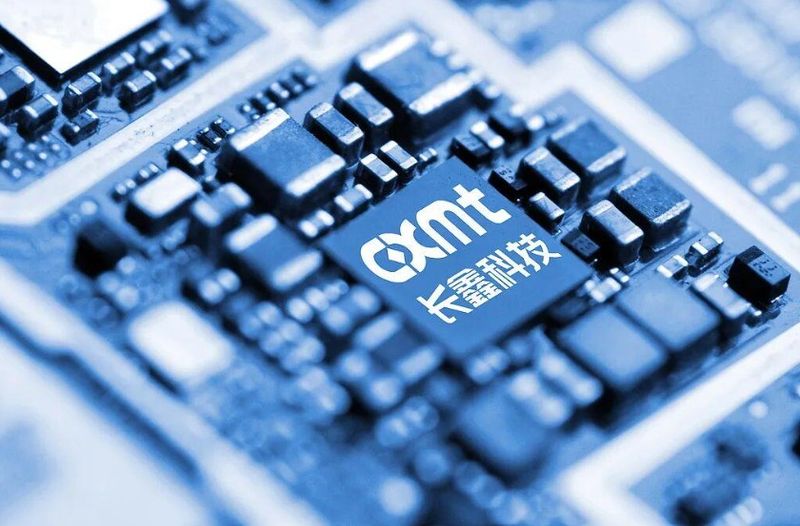
[Financial News] China is reportedly beginning full-scale mass production of its own self-developed deep ultraviolet (DUV) lithography equipment for semiconductor manufacturing. With U.S. export restrictions on advanced chipmaking tools effectively blocking access to cutting-edge extreme ultraviolet (EUV) lithography equipment, China has moved to build its own lithography production system. Following the rapid growth of ChangXin Memory Technologies (CXMT), China is now seeking self-sufficiency in key semiconductor equipment as well, further accelerating its drive for semiconductor independence. South Korea's chip industry is closely watching China's push.
According to foreign media reports, including The Information, on the 28th, a state-owned company based in Shanghai has begun producing its self-developed immersion-type DUV lithography equipment. The name of the state-backed company that developed the tool has not been disclosed, but the equipment is expected to be supplied this year to major semiconductor firms, including Semiconductor Manufacturing International Corporation (SMIC), Huahong Semiconductor, and DRAM maker CXMT.
Lithography equipment is a core manufacturing tool used to etch semiconductor circuits onto silicon wafers. The immersion-type DUV lithography equipment now entering production in China is seen as the highest level of lithography technology available to Chinese companies that cannot secure EUV lithography equipment because of U.S. export controls. ASML Holding N.V. (ASML), the world's leading semiconductor equipment maker, is unable to sell EUV lithography equipment or even top-tier DUV tools to China under U.S.-led export restrictions. The equipment currently supplied to China is said to be about eight generations behind the latest models.
Of course, it is unlikely that Chinese-made DUV equipment will quickly narrow the technology gap with ASML. There remains a significant difference in performance, productivity, and yield. Even so, analysts say the move could help raise the self-reliance of China's semiconductor supply chain by laying the groundwork for domestic procurement of key chipmaking equipment despite the restrictions.
South Korea's semiconductor industry says it should remain cautious, as China's homegrown equipment still needs to be verified in terms of specific performance and yield. An industry source said, "We will only be able to accurately assess the technology level once the actual performance and detailed specifications are confirmed." The source added, "Still, if we view this as China having developed lithography equipment that did not exist before and brought it all the way to the production stage, it would be meaningful."
Meanwhile, China's semiconductor industry is moving faster toward technological self-reliance across the board. CXMT recently raised as much as 14 trillion won through its listing on the STAR Market and plans to upgrade its production lines and step up research and development for next-generation DRAM. According to market researcher Omdia, CXMT's DRAM market share rose to 7.6% in the first quarter of this year from 4.7% in the previous quarter.
[email protected] Lim Su-bin Reporter