Should Seized Property Disposal Be Handed Over to the Police? Debate Rekindled by Seized Wine Case
- Input
- 2026-07-28 15:22:07
- Updated
- 2026-07-28 15:22:07
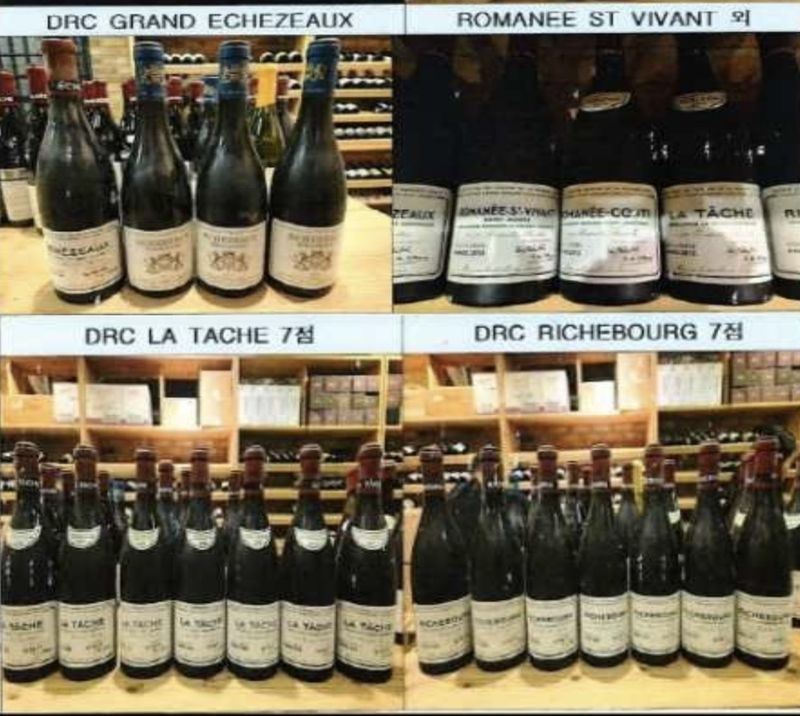
[Financial News] Prosecutors have publicly stressed the need for their authority to dispose of seized property and to direct investigations, using the recently uncovered seized wine swap case as a catalyst.
As the Public Prosecution Office is set to launch in October, the National Assembly is debating amendments to the Criminal Procedure Act of the Republic of Korea that would transfer the authority to dispose of seized property from prosecutors to judicial police officers. Legal experts say it is more important to maintain a system of mutual checks than to concentrate that authority in a single agency.
According to legal sources on the 28th, the Criminal Division 1 of the Seoul Central District Prosecutors' Office, led by acting chief prosecutor Park Hyang-cheol, announced the previous day the seized wine swap case involving special judicial police officers at the Seoul Customs Office and emphasized the need for prosecutors to retain authority over seized property disposal and to direct special judicial police investigations.
Prosecutors said the special judicial police officers are accused of seizing 379 bottles of smuggled wine, then taking 30 million won from a dealer on the pretext of lobbying a prosecutor and the customs warehouse chief, saying they could swap the bottles with dummy bottles and divert them. They are also accused of demanding an additional 40 million won.
The situation changed, however, when the special judicial police officers recommended disposing of all the seized wine and the prosecutor determined that most of the wine was already past the statute of limitations and should be returned to the owner. Under the prosecutor's order to return the items, the number of bottles targeted for swapping was reduced from 379 to 16. Prosecutors said the case came to light after the suspects later demanded more money, using the remaining wine and a reward for reporting smuggling as leverage, and the dealer reported them to the police.
The case is also tied to the Criminal Procedure Act amendments now under discussion in the National Assembly. Under Article 218-2 of the Criminal Procedure Act of the Republic of Korea, prosecutors decide whether seized items should be returned or provisionally returned when they determine that continued seizure is no longer necessary. Because seized items may later be used as evidence in court, the current system gives the prosecutor in charge of the case final authority over disposal.
By contrast, bills proposed by Rep. Cha Gyu-geun, as well as Reps. Kim Yong-min and Park Eun-jung, would give judicial police officers the authority to return seized property. The Kim and Park bill requires police to 'consult' with prosecutors, but a National Assembly expert adviser noted that 'consultation' has no binding force and that it remains necessary to examine whether seized property can be properly managed for the sake of maintaining the prosecution.
Legal experts also say caution is needed before concentrating the power to dispose of seized property in one agency. Ho Seung-jin, a lawyer at HyeMyung Law Firm and a former head of the Supreme Prosecutors' Office's digital investigation division, said, "In some cases, special judicial police officers may be exposed to the temptation of colluding with the person from whom the property was seized." He added, "With digital evidence increasing, there must be safeguards that can check the authority of a particular investigative agency in managing seized property." Another lawyer in Seocho-dong said, "Since seized property ultimately affects trial proceedings and evidentiary value, the authority should be shared to some extent with the prosecutor responsible for filing charges."
[email protected] Choi Eun-sol Reporter