A Scene from "Crime and Punishment" in Real Life? Customs Officials Prosecuted for Selling Seized Wine [Roundup]
- Input
- 2026-07-27 11:17:29
- Updated
- 2026-07-27 11:17:29
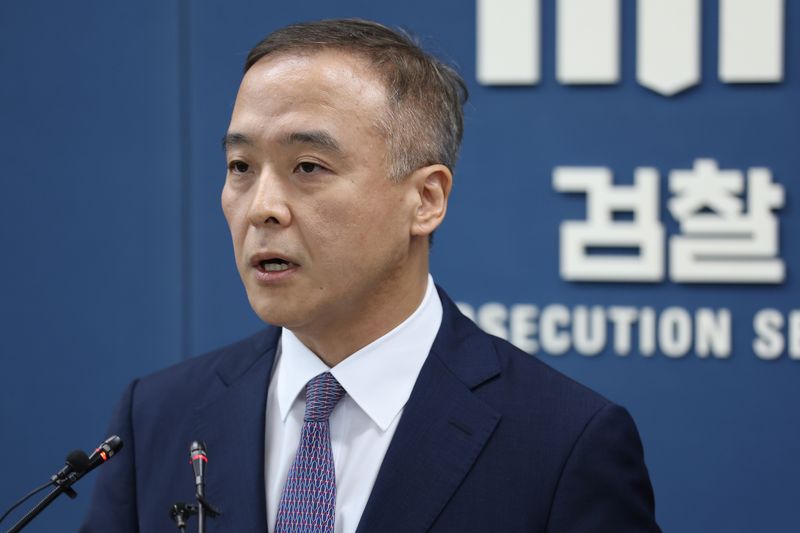
[Financial News] Customs officials who tried to divert seized high-end wine by swapping it with display dummy bottles were eventually indicted after their scheme failed when a prosecutor ordered the wine returned to the person from whom it had been seized. Prosecutors stressed that the case showed the need for authority over the disposal of seized goods and for investigative supervision of special judicial police officers.
According to the legal community on the 27th, the Criminal Division 1 of the Seoul Central District Prosecutors' Office, led by acting chief prosecutor Park Hyang-cheol, indicted two men in custody on the 24th: A, 49, a former head of the intelligence team in the investigation and information division at Seoul Customs Office, and B, 52, former head of the overall planning team. They were charged with arranging bribes and bribery under the Act on the Aggravated Punishment of Specific Crimes.
Prosecutors said A and B received 30 million won from a person identified as C, who works in the wine industry, in August 2023. They allegedly told C that seized smuggled wine could be swapped with fake bottles and sold before disposal, and that the money was for lobbying a prosecutor and the head of a customs warehouse. In December that year, they are also accused of demanding an additional 40 million won, saying they would help swap the remaining wine and secure a large smuggling tip-off reward.
The wine targeted in the scheme totaled 379 bottles. Records showed that the expected profit from distributing them was about 500 million won, and the most expensive bottle was worth about 36 million won. Prosecutors said the pair exploited the fact that once wine is opened and tested for its ingredients, it loses its commercial value and is therefore destroyed rather than auctioned.
The plan, however, ran into trouble during the disposal process. During the investigation, the smuggler produced purchase receipts, and it was confirmed that the seven-year statute of limitations had already expired for smuggling offenses related to 363 of the 379 bottles. The prosecutor ordered those wines returned to the person from whom they had been seized, leaving only 16 bottles that could still be swapped.
As the expected profit shrank sharply, A and B allegedly used B's position as secretary to the reward review committee to pressure C, saying they could help secure a large tip-off reward and also divert the remaining 16 bottles. The crime came to light after C reported it to the police. The 40 million won was never actually handed over.
Prosecutors said the case was uncovered because investigative supervision of special judicial police officers and authority over seized goods were both exercised. In a briefing that day, Ahn Dong-geon, first deputy chief prosecutor at the Seoul Central District Prosecutors' Office, said, "The prosecutor's investigative supervision led to the return of the wine, which derailed the criminal plan and allowed the case to come to light." He added, "Because prosecutors had authority over the disposal of seized goods and supervisory power over special judicial police officers, this crime could be exposed."
He also warned that the Indictment Agency Act, which is scheduled to take effect on Oct. 2, would remove prosecutors' supervisory authority over special judicial police officers. He said a proposed revision to the Criminal Procedure Act of the Republic of Korea would shift the authority to dispose of seized goods from prosecutors to investigative officers, adding, "The likelihood that corruption cases like this one will occur or be buried in the future will increase."
Prosecutors also said that simply transferring all special judicial police officer cases to prosecutors after police investigations are completed would not be enough to catch every problem like this one. They explained that all-case transfer is a way to review an entire case after a police investigation ends, but that this scheme could be detected at the stage when the disposal of seized goods was being directed.
In addition, prosecutors twice asked police to supplement their investigation before seeking arrest warrants. They requested that the legal basis be strengthened so the 30 million won payment could be charged as arranging bribes under the special law, and that additional evidence be secured to rebut new claims raised during pre-warrant interviews with the suspects. Arrest warrants for both men were later issued.
Meanwhile, A is also accused in a separate customs evasion case involving a "height-growth supplement" of fabricating materials to make it appear that a tip-off came from his younger sister, and of receiving 75 million won in reward money. That reward money was later returned, according to the investigation.
[email protected] Choi Eun-sol Reporter