Trump Halts Strikes on Iran Amid Midterm Election Pressure and Missile Shortages
- Input
- 2026-07-26 18:02:03
- Updated
- 2026-07-26 18:02:03
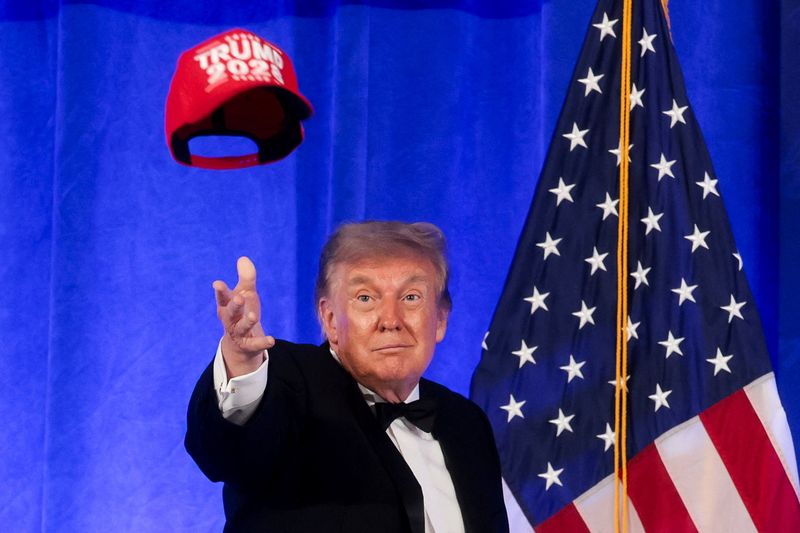
Trump told reporters, "We are ready to act immediately," but added, "We are talking with them even at this moment." According to Axios on the 25th, he did not approve the previous day's strike plan against Iran, and as a result, U.S. airstrikes that had continued for 13 straight days came to a halt. The order came just hours after the Omani negotiating team arrived in Iran.
■Negotiation card instead of the strike button in the Iran war
With the midterm election fast approaching, Republicans would benefit if the war in Iran ends and global oil prices stabilize. By contrast, if the conflict escalates and oil and inflation become unstable again, it would create a disastrous burden for the Republican Party. In this context, the national average price of gasoline in the United States has already climbed above the psychological threshold of $4 per gallon. Even if Trump wants to launch a major attack on Iran, he cannot ignore the possibility that a surge in oil and other prices could boomerang back at the midterm election.
With the ceasefire memorandum signed with Iran effectively rendered meaningless, Trump has been pressuring Iran through two weeks of consecutive airstrikes. He has also publicly said he was considering a large-scale attack. But with only 100 days left before a midterm election that is largely a referendum on the president and the ruling party, many remain skeptical that he can risk a major escalation.
Public opinion is already far from favorable. In a recent survey by The Washington Post, only 28% of Americans said the war in Iran was worth it, while 68% said it was not. In this situation, Trump appears to be shifting his focus back toward negotiations for now.
Another reason for halting the strikes is the military burden. On the 25th, The New York Times reported that Trump suspended plans for a large-scale strike after being briefed on concerns that U.S. air-defense assets were running low. If Iran continues retaliating while interceptor missiles are in short supply, defending U.S. bases in Jordan, Kuwait, Bahrain, and the United Arab Emirates could become significantly more difficult.
■Lame duck or comeback
Depending on the election outcome, Trump could either gain more momentum to advance his policy agenda over the remaining two years of his term or quickly slip into lame-duck status. In a speech at a House Republican retreat on January 6, he vowed to win the midterm election, saying, "If we don't win, they, the Democrats, will find a reason to impeach me. I will be impeached."
Current projections show Democrats have a 60% chance of winning the House of Representatives, while Republicans have a 60% chance of winning the Senate. As the election enters its final stretch, both sides are seeing their supporters rally, and there are still many variables that could shift the race, so it is too early to draw firm conclusions.
Against this backdrop, Democrats are campaigning by linking the economic burden of the prolonged war in Iran, including high inflation and rising energy prices, to what they call Trump's responsibility. Trump, meanwhile, is focusing on rallying his base by highlighting tax cuts, increased investment in the United States, and progress on border security.
[email protected] Hong Chaewan Reporter