"Even if You Own a 1.2 Billion Won Home, It Won't Generate 2 Million Won a Month": Retirees Who Want to Work Until 73 [Retirement Plan X]
- Input
- 2026-07-25 07:58:00
- Updated
- 2026-07-25 07:58:00
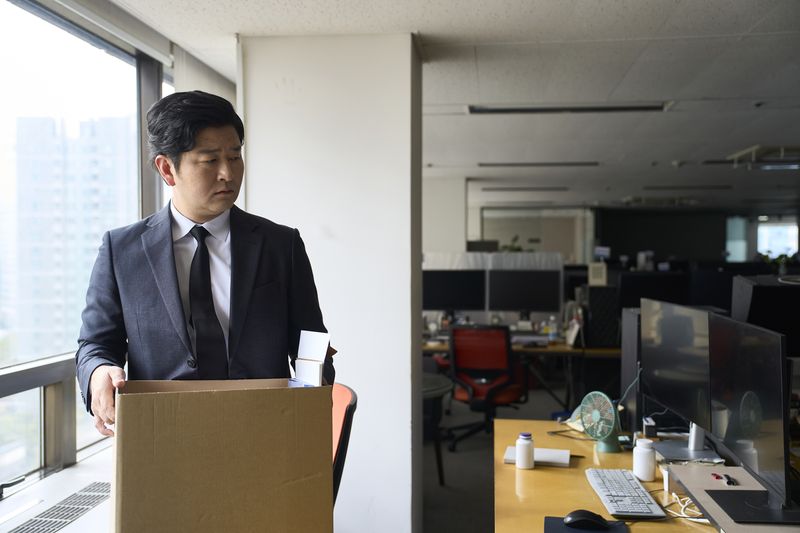
The biggest reason they want to work is to cover living expenses. More than half of the population receives a pension, but the reality is that it is not enough to sustain life in old age.
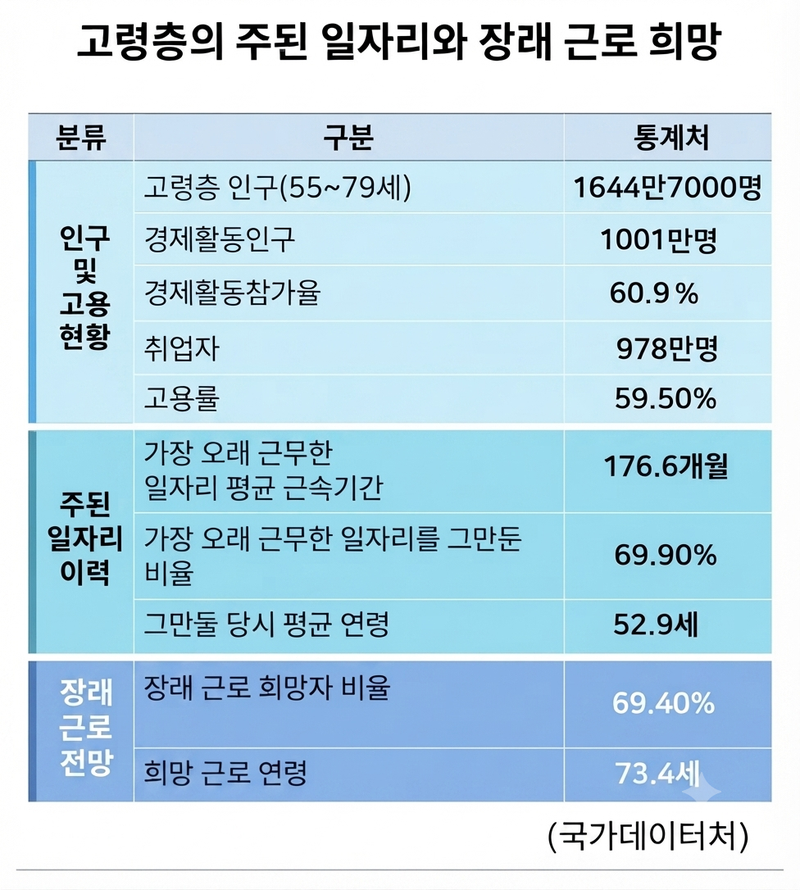
/Getty Images Bank [Financial News] Jobs, cash flow (pensions), health . These are the biggest concerns not only for people who have already retired, but also for those preparing for retirement.Even after retiring, many still want to keep working. At the very least, they need enough money to get by, and they also want the basic ability to stay healthy and spend more time with family, even if life is not luxurious. In Korea, retirement is not the point at which work ends completely. It is closer to a transition from a stable job to a more uncertain source of income.4 According to the National Data Office's 'May 2025 Economically Active Population Survey: Older Adults Supplementary Survey,' released in August last year, people aged 55 to 79 who had work experience spent an average of 17 years and 7 months in their longest-held job. 9.The biggest reason they want to work is to cover living expenses. More than half of the population receives a pension, but the reality is that it is not enough to sustain life in old age.
That is more than seven years earlier than the statutory retirement age of 60. Compared with age 65, when National Pension benefits begin for those born after 1969, the gap is about 12 years.
Not everyone left after reaching retirement age, either. 0%.7%. But even after leaving their main job, work does not end.
4% of people aged 55 to 79 said they still want to work said so. 4 .
The main reason was to help cover living expenses. 4% of respondents.
4. 5 years between the two figures.
/Gemini In Korea, retirement does not mean the end of working life. It is a long process of leaving a relatively stable job and then looking for work again.01 million in May 2025, topping 10 million for the first time since related statistics began in 2005. 5%, both record highs. This also reflects the growing number of people who are able to work longer while staying healthy. Still, it is hard to explain the high economic activity of older adults simply as a matter of willingness to work.That is because the desire to work is mixed with the reality that life becomes difficult without it . It is not that they lack the will to work.There are not enough jobs that allow them to maintain income and use their experience after leaving their main job. Pensions exist, but they are not enough for living expenses The reason many continue working after retirement becomes even clearer when looking at cash flow.7% of people aged 55 to 79 had received a pension in the past year. Their average monthly pension was 860,000 won.This includes public and private pensions such as the National Pension, basic pension, and private pensions. The number of pension recipients has increased, but the amount is still not enough to cover living expenses.976 million won. 392 million won.166 million won .
The biggest reason they want to work is to cover living expenses. More than half of the population receives a pension, but the reality is that it is not enough to sustain life in old age.
The biggest reason they want to work is to cover living expenses. More than half of the population receives a pension, but the reality is that it is not enough to sustain life in old age.
Because the survey populations and pension coverage differ, the gap cannot be taken as a direct shortfall.
Still, the direction is clear: pensions alone are not enough to maintain the retirement lifestyle people consider adequate.
An average monthly pension of 860,000 won falls short of even the minimum living cost for an individual by more than 500,000 won.Compared with the appropriate living cost, it is less than half. The missing money must come from labor income, retirement pensions, private pensions, savings, and other sources.
That is the most direct reason people keep working after retirement.
The biggest reason they want to work is to cover living expenses. More than half of the population receives a pension, but the reality is that it is not enough to sustain life in old age.
The problem for Korean retirees is not simply that they have no assets.
The biggest reason they want to work is to cover living expenses. More than half of the population receives a pension, but the reality is that it is not enough to sustain life in old age.It is that their assets do not generate monthly cash flow.
78 million won as of the end of March 2025.88 million won .8% of total assets.
In other words, three-quarters of assets are tied up in physical property such as homes.
A home is an important safety net in old age.Owning a place to live helps reduce housing costs and preserve asset value.But a home worth 500 million won does not automatically produce 2 million won in monthly living expenses.
To turn it into cash flow, owners must downsize by selling, rent it out, or use a reverse mortgage.
It is difficult to keep the home and still generate living expenses from it.
There is also the trap of averages.
0% of all households had net assets below 300 million won .
The biggest reason they want to work is to cover living expenses. More than half of the population receives a pension, but the reality is that it is not enough to sustain life in old age.
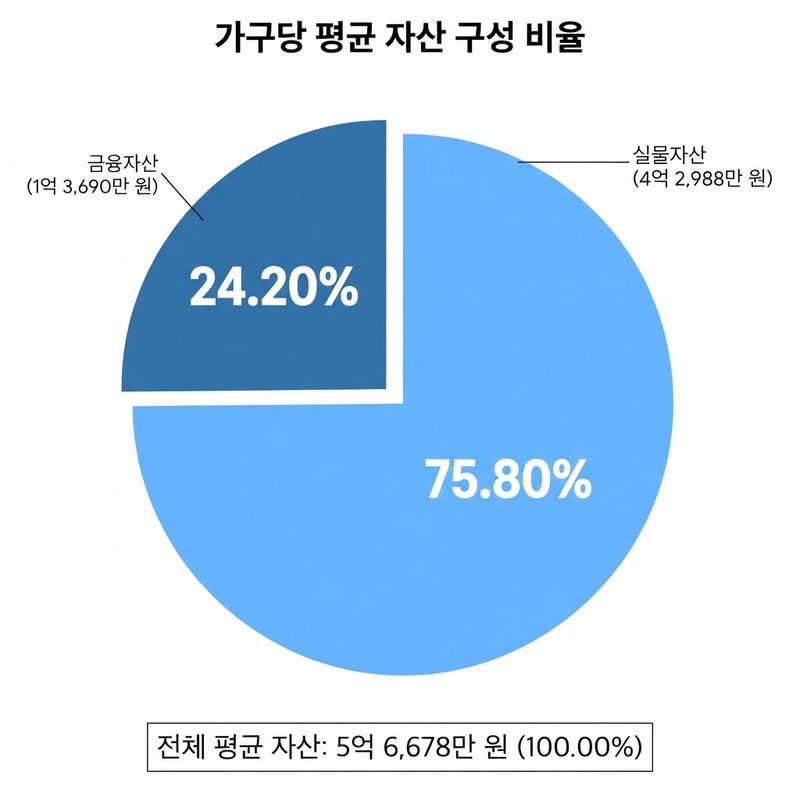
Wealthier households pull the average upward. After retirement, monthly income matters more than total assets.A 500 million won home and a pension that pays 2 million won a month are very different assets for a retiree, even if their book values look similar.Wanting to live longer, but health weakens first Having a job and money alone does not complete retirement life.4%.
It was the second most common reason after business slowdown and shutdown.
Health is not only an issue after retirement; it is also a factor that brings retirement forward .
When health declines, people must leave work earlier than planned.Income falls, and the period of National Pension contributions may also become shorter.Even if they find another job, the range of available options narrows.
Poor health reduces income while increasing expenses.
The biggest reason they want to work is to cover living expenses. More than half of the population receives a pension, but the reality is that it is not enough to sustain life in old age.
306 million won in 2023.
The biggest reason they want to work is to cover living expenses. More than half of the population receives a pension, but the reality is that it is not enough to sustain life in old age.252 million won.
This does not mean every older adult spends the same amount each year.
Medical costs vary widely depending on health status and age. Still, it is clear that the older people get, the more likely they are to face medical and care costs.In particular, if nursing care or long-term care becomes necessary, health insurance medical bills alone cannot explain the full burden.
Life expectancy is also rising.
5 years in 2023.
6 years for women. Even if people work until 65, they still have more than 20 years left on average.9, the time spent outside a stable job can exceed 30 years.
The issue is not simply living longer.
The problem is that the period requiring living expenses and medical costs may be longer than the period during which one can earn income while staying healthy.
Jobs, money, and health are essential Jobs, cash flow, and health are not separate issues.
Good health makes it possible to work longer.
The biggest reason they want to work is to cover living expenses. More than half of the population receives a pension, but the reality is that it is not enough to sustain life in old age.
Continuing to work delays the time when assets must be drawn down.
The biggest reason they want to work is to cover living expenses. More than half of the population receives a pension, but the reality is that it is not enough to sustain life in old age.And having steady cash flow creates more room for health management and treatment.
On the other hand, if health breaks down first, both jobs and income become unstable.
If pensions are insufficient, people may have to keep working even when they are unwell.
And if assets are tied up in a home, it becomes difficult to respond when medical or living expenses arise.
Preparing only one of the three is not enough. Many people judge retirement readiness by the size of their assets.They first calculate how much their home is worth, how much severance pay they have, and how much financial assets they have accumulated. But total assets are not the only thing that determines life after retirement.
More important are how long you can keep working, how much money comes in each month from pensions and financial assets, and how long you can hold out if your health worsens and you have to stop working .
Past retirement dates and pension contribution periods cannot be reversed.
The biggest reason they want to work is to cover living expenses. More than half of the population receives a pension, but the reality is that it is not enough to sustain life in old age.
The biggest reason they want to work is to cover living expenses. More than half of the population receives a pension, but the reality is that it is not enough to sustain life in old age.
The biggest reason they want to work is to cover living expenses. More than half of the population receives a pension, but the reality is that it is not enough to sustain life in old age.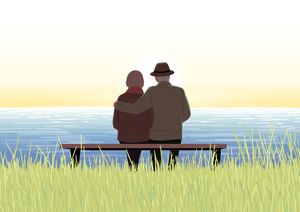
But how many more years you will work, how much monthly income you can create from your assets, and what you will prepare for your health are still undecided. Saying retirement preparation is late is only half true. Time is running out, but choices remain./Getty Images Bank The series [Retirement Plan X], which has accompanied readers with stories about life after retirement and the 'second act of life,' comes to a close today.Whether you have already finished preparing for retirement or still have a long way to go, we hope you enjoy a peaceful old age in your heart.Thank you for your support throughout this series.Stay healthy.The biggest reason they want to work is to cover living expenses. More than half of the population receives a pension, but the reality is that it is not enough to sustain life in old age.
The biggest reason they want to work is to cover living expenses. More than half of the population receives a pension, but the reality is that it is not enough to sustain life in old age.The biggest reason they want to work is to cover living expenses. More than half of the population receives a pension, but the reality is that it is not enough to sustain life in old age.
[email protected] Kim Gi-seok Reporter