"If They Don't Sell, They Burn Them": Luxury Brands Hit by EU Rules [Luxury Price Story]
- Input
- 2026-07-23 15:46:11
- Updated
- 2026-07-23 15:46:11
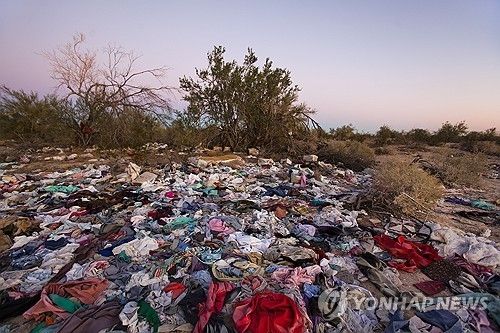
[Financial News] As the European Union (EU) has begun enforcing rules that ban the disposal of unsold products, luxury brands that have destroyed excess inventory in the name of preserving brand exclusivity are now being forced to completely rethink how they handle stock.
According to Yonhap News Agency and the Financial Times (FT) on the 20th, the EU on the 19th local time, in principle, banned the disposal of unsold clothing, shoes and accessories.
The measure stems from the EU's Ecodesign for Sustainable Products Regulation (ESPR), introduced in July 2024, and is intended to curb overproduction and reduce textile waste.
Under the new rules, large European companies must handle unsold goods by reselling them through discount stores or alternative distribution channels, or by donating them to charities, instead of burning or landfilling them.
Disposal is allowed only in limited cases, such as when a product has a safety defect or is damaged, when it infringes intellectual property rights, or when a charity refuses to accept goods that were intended for donation. Even in those cases, companies must disclose annual reports detailing the volume of unsold inventory and how it was disposed of. The requirement is designed to prevent abuse of the exception.
Mid-sized companies have been given a four-year grace period, and the same rules will apply from 2030.
Companies that violate the rules may face fines from national governments and must keep related records for five years in preparation for regulatory inspections.
According to the European Environment Agency (EEA), about 4% to 9% of all clothing products launched in the European market are discarded without ever being used each year. The process is also estimated to generate about 5.6 million tons of carbon dioxide annually, drawing steady criticism from environmental groups.
Luxury brands that have long limited supply and destroyed or landfilled large amounts of inventory to protect brand value are now expected to face fundamental changes to their long-standing strategy in response to the new rules.
[email protected] Kim Soo-yeon Reporter