Is a Supermarket Shampoo Better Than an Expensive One? The Truth About 'Hair Loss Shampoos' [Kim Jino's Hair Loss Escape]
- Input
- 2026-07-23 10:47:21
- Updated
- 2026-07-23 10:47:21
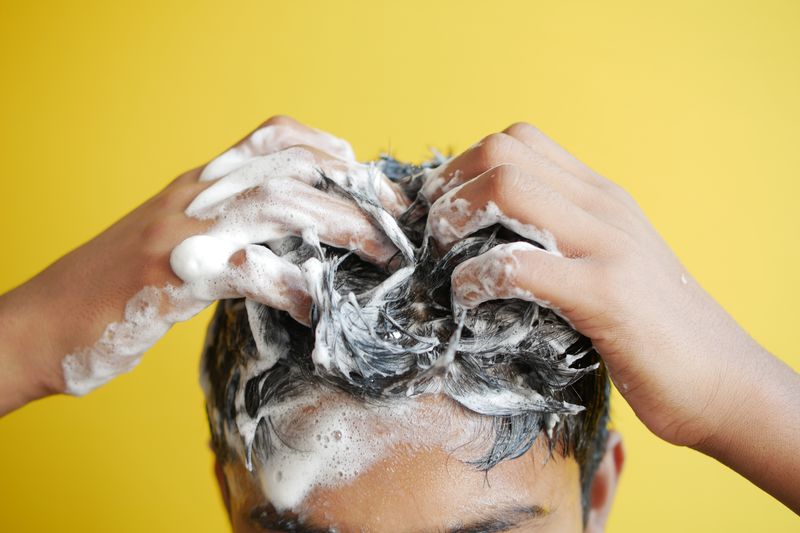
[Financial News] When people feel their hair is falling out more than usual, shampoo is often the first thing they change. It is easier than going to a hospital or taking medication, and since people wash their hair every day anyway, it does not require setting aside extra time. When they see products labeled with phrases like "root strengthening," "scalp nourishment," or "reduced hair shedding," they may want to try them even if they are a little expensive. If one shampoo could solve hair loss, there would be no easier solution.
But hair loss shampoo is not a hair loss treatment. Even products recognized in Korea as functional cosmetics are, more precisely, cosmetics that "help relieve hair loss symptoms." That does not mean they are drugs that can thicken thinning follicles again or make new hair grow in areas that look sparse. "Helps" and "treats" may sound similar, but medically they are completely different.
Packed with good ingredients, but... why it cannot become a 'hair loss treatment'
Hair loss shampoos often contain appealing ingredients such as caffeine, Panthenol, Niacinamide, biotin, brewer's yeast, and peptides. Some of these may help manage sebum and dead skin cells, and reduce friction on the hair. Some ingredients have even shown positive effects on follicle cells in laboratory studies.
The problem is whether those good ingredients actually work for hair loss treatment. Shampoo is a product that is applied to the scalp and rinsed off within minutes. In that short time, it must be confirmed through separate clinical trials whether enough active ingredients are absorbed into the follicles, whether they reach an effective concentration, and whether they truly change hair density and thickness.
Some products, such as caffeine shampoo, have been backed by positive studies. However, many of those studies are small, lack control groups, or do not clearly disclose the ingredients and concentrations. That does not mean the products are ineffective, but the evidence is still not strong enough to say they can replace drug treatment. In medical papers, the phrase "further research is needed" usually means the conclusion is still uncertain.
That does not mean hair loss shampoo is useless. Shampoo does a good job of washing away scalp oil, easing dandruff and itching, and preventing damaged hair from tangling and breaking after dyeing or perming. People with seborrheic dermatitis or dandruff may also feel that their scalp becomes much more comfortable after using it.
Reports that hair sheds less after switching shampoos are not necessarily mistaken either. Hair found on the bathroom floor includes not only strands that fell out from the follicle, but also broken hairs. When the hair surface becomes smoother, breakage decreases as well. In that sense, the visible amount of hair can indeed go down. But that does not mean male pattern hair loss or female pattern hair loss has stopped progressing.
Shampoo can be compared to tidying up a field. It can remove weeds and manage the soil surface, but it cannot solve problems such as diseased roots or a lack of water. In male pattern hair loss and female pattern hair loss, follicles gradually become thinner. In those cases, proven treatments such as minoxidil or 5-alpha reductase inhibitors are effective. If someone is experiencing telogen effluvium, where large amounts of hair suddenly fall out, the cause should be checked, including nutrition, thyroid disease, childbirth, surgery, or weight loss. If round bald patches appear, diagnosis should come before changing shampoo.
A good shampoo is one that makes your scalp feel comfortable, not one that is expensive or famous
The criteria for choosing a shampoo are surprisingly simple. An expensive product is not necessary. The best shampoo is the one that leaves your scalp comfortable. For people with sensitive scalps, high-end products with many plant extracts and fragrances can actually be irritating. On the other hand, if someone with an oily scalp uses a shampoo that emphasizes mild ingredients, their hair may become greasy and itchy by the afternoon.
Terms like "silicone-free," "sulfate-free," "natural," and "mildly acidic" are not universal answers for everyone. Silicone can help reduce friction and tangling in damaged hair, and cleansing ingredients are needed to wash away oil and impurities from the scalp. What matters more than whether a specific ingredient is included is how the scalp and hair respond after use.
After washing, check whether your scalp stings or itches, whether it becomes overly greasy before the afternoon, and whether your hair feels stiff and tangled. It is even better if the scent and texture feel comfortable and the product remains affordable to buy repeatedly. If those conditions are met, even a plain supermarket shampoo can be a perfectly good choice. On the other hand, if your scalp turns red and itchy every time you use it, there is no need to keep using it just because it was expensive.
People worried about hair loss often expect too much from shampoo. They want it to prevent hair loss, thicken hair, improve scalp health, and, if possible, restore the hair they have already lost. That is too much to ask of a product that stays on the hair for only a few minutes before being rinsed away.
Shampoo cannot replace treatment. But it still has value if it keeps the scalp clean and comfortable and helps the remaining hair suffer less damage. If treatment is needed, get treatment. Shampoo can simply be chosen the way you would choose any cosmetic product.
/Kim Jino, Chief of Medical Clinic, New Hair Hair Transplant and Plastic Surgery
[email protected] Kim Hyun-sun Reporter