Coupang's U.S. Parent Draws a Line on the "Korean Case" ... 'One Entity' Before Investors, 'Separate' in Court
- Input
- 2026-07-22 14:17:23
- Updated
- 2026-07-22 14:17:23
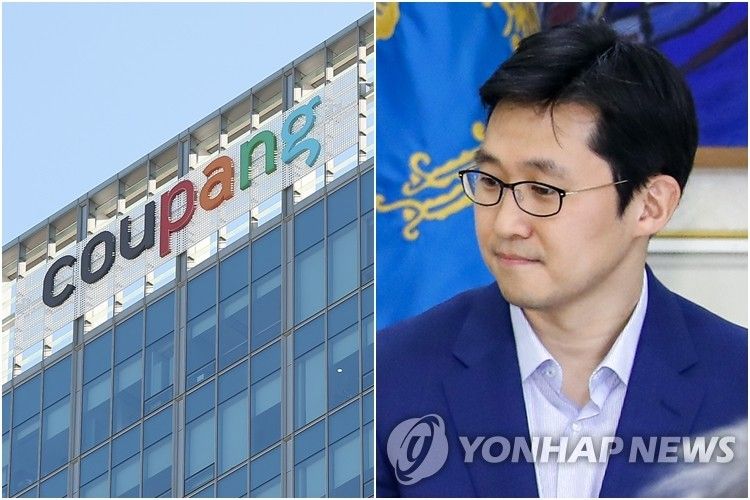
According to the U.S. District Court for the Eastern District of New York on the 21st local time, Coupang, Inc., the parent company of Coupang, and Bom Kim, chairman of Coupang, Inc.'s board, asked the presiding judge in a letter submitted earlier this month to dismiss the damages lawsuit stemming from the data breach without prejudice.
Coupang, Inc. argued that the company where the breach occurred is the Korean entity, not the U.S. parent, and said, "It is not appropriate to handle this case in New York. This is a Korean case." It added, "Coupang, Inc. is a holding company based in Delaware with subsidiaries around the world, and Coupang Korea is only one of them," stressing that it is "a legally separate entity from Coupang Korea."
Coupang, Inc. also argued that the plaintiffs had failed to present any facts showing that Coupang, Inc. or Chairman Kim exercised control over specific security decisions related to the breach in Korea. Citing the fact that multiple lawsuits have already been filed in Korea over the incident, it also said the plaintiffs were engaging in "forum shopping."
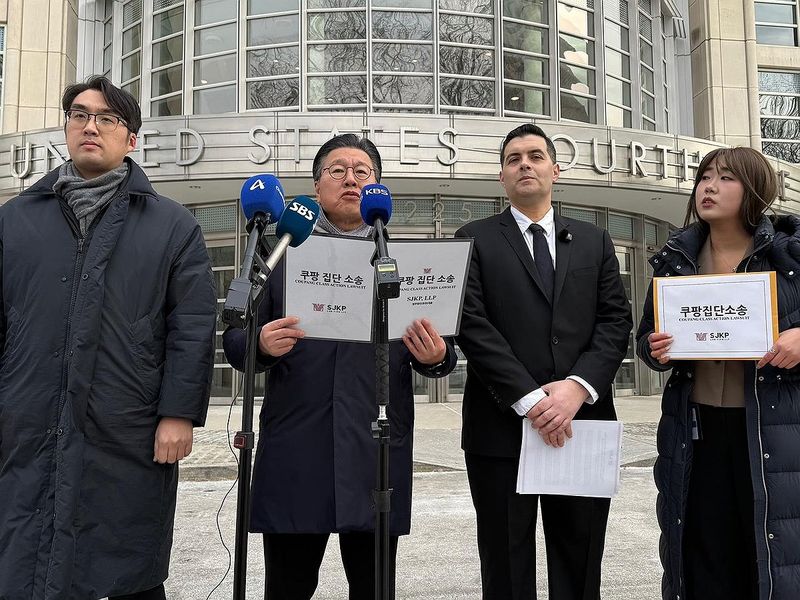
The plaintiffs emphasized that because there is a dispute over the facts, the defendants are asking for dismissal before discovery even begins. They said jurisdictional rulings should be put on hold at least until discovery is completed on records related to the breach, decision-makers, internal oversight, and communications between headquarters and subsidiaries. Discovery is a U.S. legal procedure in which parties may request the opposing side to disclose evidence, documents, and witnesses before the merits of the case are heard.
Earlier, Tal Hirshberg, the lawyer representing the plaintiffs, said at a press conference after filing the complaint in February that the reason for bringing the case in the United States was that "Coupang, Inc. was established under U.S. commercial law and owes duties to everyone who uses Coupang, including U.S. citizens and Koreans." He added that he believed using a U.S. court would help obtain better information about what, if anything, Coupang did wrong.
[email protected] Hong Chaewan Reporter