U.S. Defense Budget Nears Exhaustion After Five-Month War...Will It Secure Additional Funding?
- Input
- 2026-07-22 13:34:44
- Updated
- 2026-07-22 13:34:44

[Financial News] The U.S. defense budget is running dry as the country approaches five months of war with Iran. The Trump administration plans to persuade Congress to approve additional funding, but the opposition has made clear it will resist.
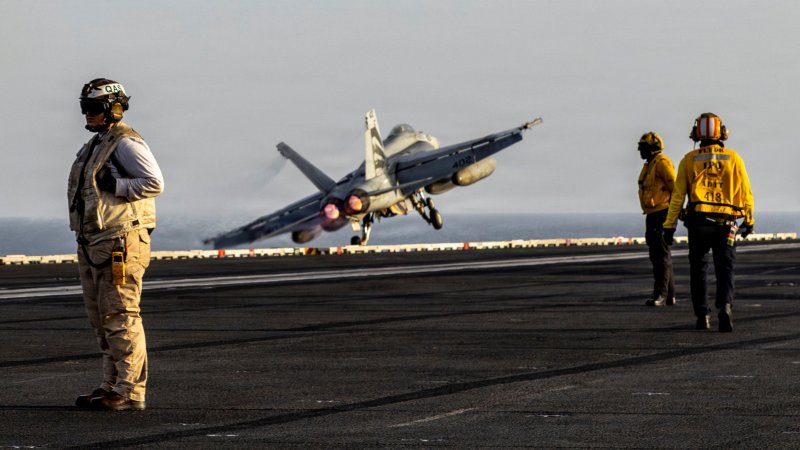
The Washington Post reported on the 21st (local time), citing officials, that the U.S. defense budget is nearing depletion. Two anonymous congressional aides said some of the 2026 budget for operations in the U.S. Navy and U.S. Air Force will be exhausted by the end of this month. As the U.S. launched airstrikes on Iran, it deployed large numbers of naval and air assets to the Middle East. In addition, four current and former U.S. officials who spoke with The Washington Post said training to maintain combat readiness is being reduced or canceled. They also noted that funds for equipment, facilities, and maintenance are being diverted from their original purposes to cover the shortfall caused by the war with Iran. Based on its own investigation, The Washington Post said the Department of Defense recently asked Congress to allow $4.3 billion in defense funds for training and weapons purchases to be spent on other priorities, but has not yet received a response.
An anonymous Trump administration official said the White House budget office is directly working to shift other funds into the Defense Department’s operations and maintenance accounts. Without giving specifics, the official explained that such reallocations would inevitably disrupt other national programs.
The United States government’s 2026 budget is allocated through Sept. 30, and defense spending accounts for about $1 trillion of that total. Pete Hegseth, the U.S. Secretary of Defense, told the Senate Appropriations Committee on the 21st that since the war with Iran began on Feb. 28, $37.5 billion, or about 55.6275 trillion won, has been spent on the conflict. He added, "That figure includes some of the additional operations and maintenance costs, military pay, and other expenses expected through the end of the fiscal year on Sept. 30."
On the 24th of last month, the Trump administration submitted a $87.6 billion supplemental budget request to Congress. When presenting the proposal, the White House said additional funding was urgently needed for war-related costs in Iran and support for U.S. farmers. Of the amount requested by the government, $67 billion was for defense spending.
Several current and former U.S. officials told The Washington Post that if Congress does not address the budget issue immediately, the U.S. military will have to give up even more. In the House of Representatives, a vote on defense spending for fiscal 2027, which runs from Oct. 1, 2026, to Sept. 30, 2027, is scheduled for the 22nd, followed by a one-month recess starting on the 23rd.
The Washington Post expected House lawmakers to vote this week on a measure approving an additional $73 billion in defense spending. House Republicans are likely to use the budget reconciliation process to move some of the funding quickly.
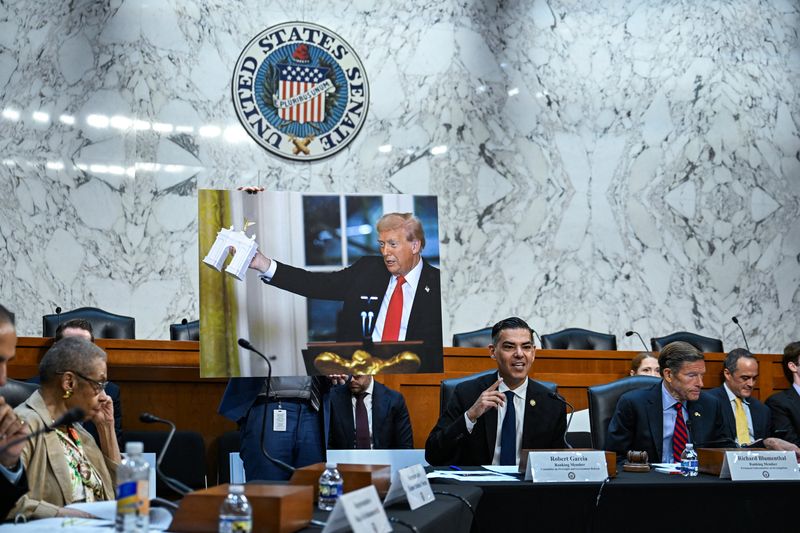
Meanwhile, POLITICO reported on the 20th that Democrats plan to block next year’s defense budget in order to stop the Trump administration from escalating the conflict. POLITICO said Republicans may still struggle to secure enough support within their own party even if they use budget reconciliation. It added that passing the defense budget would be difficult without Democratic backing. Pete Aguilar, the Democratic chairman of the House Democratic Caucus and a representative from California, said on the 20th, "We will continue to point out that millions of Americans are seeing higher gasoline prices because of President Donald Trump’s reckless war." He also stressed, "We will not take part in any vote that could be seen as approving Trump’s war."
[email protected] Park Jong-won Reporter