"A Repeat of the Choco Pie Case?"...A High-Earning Worker Fired Over a $2 Snack
- Input
- 2026-07-22 09:13:13
- Updated
- 2026-07-22 09:13:13
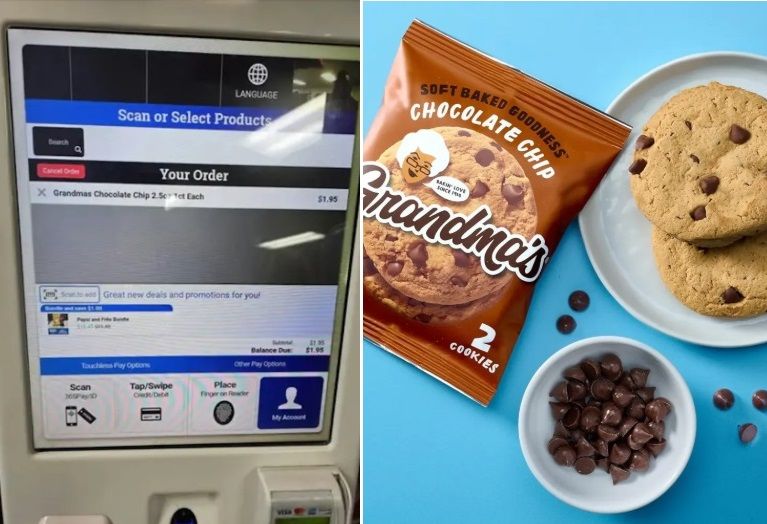
[Financial News] A growing number of workers at Ford Motor Company plants in the United States are being fired after being falsely accused of stealing snacks because of errors in the self-checkout kiosk system, sparking controversy.
According to local media including the Detroit Free Press and the New York Post on the 21st local time, Nick Nabozny, 38, who had worked for about nine years at a Ford assembly plant in Michigan, was recently dismissed for allegedly taking two bags of snacks without paying.
He said, "When I tapped my debit card on the payment terminal, it beeped and the screen flashed, so I thought the payment had gone through." He added, "Why would I, someone who earns a high wage and supports my family, steal snacks worth just a few dollars?"
Nabozny earned an hourly wage of $40 and took home more than $125,000 last year, including overtime.
This is not the first time workers have been fired over payment errors at unattended vending areas inside Ford plants.
Earlier, Kurt Krom, a 60-year-old electrician who had worked for 11 years at a truck factory in Kentucky, was also fired on theft charges after buying a $1.95 cookie while experiencing low blood sugar symptoms caused by diabetes during a night shift.
Krom later checked his bank records himself and proved that the payment had been processed correctly. Once Ford confirmed the payment, the company offered him $33,000 in back pay and proposed reinstatement, but Krom rejected the offer, hired a lawyer, and began legal action.
Workers at the site said the kiosk operated by Aramark, which runs the unattended store inside the plant, frequently malfunctioned, with problems such as failed payments, duplicate charges, frozen screens, and receipts not being printed. Critics say the company treated system defects as employee "theft" and carried out unfair dismissals too readily.
At the Michigan plant, at least three other workers besides Nabozny were reportedly fired on similar allegations, only to be cleared after an internal investigation and reinstated.
As the controversy intensified, Ford and Aramark said, "We are aware of kiosk functionality issues raised in some limited cases," and added, "We have begun a review and investigation of the overall self-checkout system installed at Ford plants in the United States."
In Korea, too, a worker faced a court battle and even the risk of losing his job after eating a $1 snack.
Meanwhile, similar to workers being fired overseas because of self-checkout errors, South Korea has also seen controversy over excessive punishment and legal disputes involving the consumption of small amounts of food.
The so-called "Choco Pie theft case" in Korea began when A, an employee of a security subcontractor at a manufacturing company in Wanju County, was indicted for taking snacks worth 1,050 won in total, including a 450-won Choco Pie and a 600-won Custard, from a refrigerator in a logistics company office.
Prosecutors initially filed a summary indictment against A on theft charges and sought a fine, but A requested a formal trial, saying, "I am unfairly accused because I was told by my coworkers that I could eat them." However, the trial court in the first instance found the theft charge valid and imposed a fine of 50,000 won.
If the guilty verdict had been finalized, A would have lost his job under the Security Services Industry Act. He spent more than 10 million won on legal fees and pursued an appeal. Even the judge in court expressed regret over what seemed like an excessive prosecution and punishment, saying, "Do we really have to go this far in such a harsh world?"
In the end, the appellate court acquitted A, saying, "It is highly likely that he believed the snacks were allowed because he trusted his coworkers' words, and it is difficult to conclude that there was criminal intent."
[email protected] Moon Young-jin Reporter