Binance, with 322 million users, expands into RWA and stock derivatives as Korean exchanges face diversification challenges [Crypto Briefing]
- Input
- 2026-07-21 16:12:36
- Updated
- 2026-07-21 16:12:36
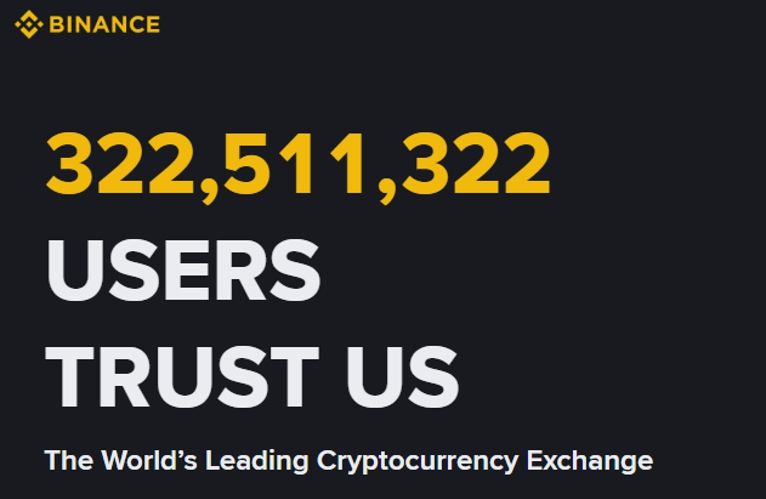
[Financial News] Global cryptocurrency exchange Binance is expanding its business into a comprehensive financial platform by broadening its real-world asset tokenization (RWA), stock-linked derivatives, U.S. stock trading and payment services. The move is a lock-in strategy designed to keep users within its own platform, moving away from a fee structure that depends heavily on trading volume in cryptocurrencies such as Bitcoin.
According to weekly figures compiled by Hana Securities on the basis of the RWA analysis platform RWA.xyz on the 21st, the global stablecoin market and on-chain RWA market stood at $298.7 billion and $34.8 billion, respectively. By blockchain, Ethereum accounted for 45% of RWA, followed by BNB Chain at 15% and Solana at 9%. By underlying asset, U.S. Treasuries made up the largest share at 46%, followed by commodities at 13% and stocks at 5%.
Hana Securities attributed BNB Chain's more than 4 percentage point gain from the previous week to Binance's expanding RWA business within its ecosystem. Backed by more than 320 million users worldwide, Binance is pursuing a 'financial super app' strategy that offers cryptocurrencies, traditional financial products, payments and remittances on a single platform. It is also rolling out pre-listing perpetual futures, on-chain stock tokens, U.S. stock trading and Binance Pay.
The U.S. stock service, however, does not involve Binance directly issuing or holding securities. When an order is placed on Binance, it is routed through Nest Trading, a firm licensed by Abu Dhabi Global Market (ADGM), and then sent to U.S. broker-dealer Alpaca Securities. Alpaca Securities handles order execution, clearing, settlement and custody. Unlike the stock tokens Binance suspended in 2021 after regulatory controversy, the new service connects users to a licensed broker.
In derivatives, Binance is offering pre-listing perpetual futures based on the prices of unlisted companies such as OpenAI. These products do not grant shares, voting rights or dividend rights, and settle price movements formed on the exchange in stablecoins. Because there is no publicly available spot price, volatility can increase depending on liquidity and the exchange's pricing methodology.
More recently, Binance has also launched products linked to the Korean stock market. The 'KORUUSDT perpetual futures' product does not directly track Samsung Electronics or SK hynix. Instead, it is based on KORU, a 3x leveraged exchange-traded fund (ETF) listed in the U.S. that tracks Korean stocks. KORU is designed to deliver three times the daily return of the MSCI Korea Index.
The reason global exchanges such as Binance are broadening revenue sources into stocks, RWA, payments and institutional custody is the decline in altcoin trading volume. According to Tiger Research, Binance's average daily spot trading volume for altcoins, measured on a specific-asset basis, fell from about $45 billion in October last year to $7.7 billion in early June this year.
Industry observers say Korean won-based cryptocurrency exchanges also need to move beyond trading fees and expand into custody, wallets, payments and on-chain data businesses linked with banks and securities firms. As derivatives tied to Korean stocks and the won-dollar exchange rate are traded around the clock offshore, strengthening investor protection and market surveillance systems is also seen as a key task.
An industry source said, "Global exchanges are responding to lower cryptocurrency trading volumes by shifting to comprehensive financial platforms that combine stocks, RWA, payments and custody." The source added, "Korean exchanges also need to diversify revenue through partnerships with regulated financial firms and build an institutional foundation to respond to Korean asset-linked products formed offshore."
[email protected] Kim Mi-hee Reporter