"One Iced Americano at 3 p.m."... You Are Borrowing Against Your Fatigue [Smart Wellness]
- Input
- 2026-07-21 14:00:00
- Updated
- 2026-07-21 14:00:00
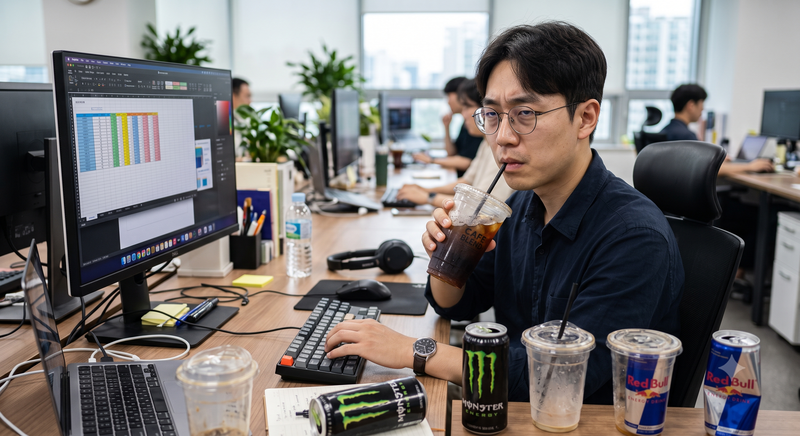
[Financial News] In the sweltering summer heat, gulping down a glass of iced Americano filled with ice can make your body feel cool to the core and your mind feel instantly sharper. But when that refreshing burst of alertness is repeated, it is easy to fall into the trap of excessive caffeine intake without realizing it. What once felt like a pleasant boost can eventually come back as anxiety, insomnia, and even greater fatigue.
Are we really drinking caffeine with a proper understanding of what it does? Here is a look at how to live healthily with the caffeine in the drinks we consume every day.
The illusion of erasing fatigue: caffeine
If your typical daily intake is only one or two cups of coffee, the chance of serious health problems is low. But when you casually drink different beverages throughout the day, your total caffeine intake can reach dangerous levels before you know it.
What happens in the body when you consume too much caffeine? To understand that, you first need to know how caffeine works in the body.
Caffeine has a molecular structure similar to adenosine, the neurotransmitter that makes the body feel tired. In other words, when you consume caffeine, it takes the place of adenosine. When adenosine is pushed aside and cannot do its job, the body fails to recognize fatigue. As a result, the sympathetic nervous system becomes activated, the heart rate rises, blood vessels constrict, and you enter a state of alertness. The same is true for improved concentration. But this is only an illusion that tricks the brain. Once the effects of caffeine wear off, the adenosine that has been waiting in the background starts to act. You end up drawing on even the fatigue you had been holding back, leaving you with extreme exhaustion.
Caffeine is found not only in coffee but also in energy drinks. A single can of a commercially sold energy drink usually contains 60 to 100 mg of caffeine. Compared with one cup of Americano, that may seem like less caffeine, but relative to the total volume of the drink, it is often highly concentrated. Some energy drinks contain guarana extract instead of caffeine. At first glance, that may seem like a substitute for caffeine, but guarana is a fruit that contains large amounts of naturally occurring plant-based caffeine.
Energy drinks contain caffeine as well as taurine, vitamins, and sugar. They can provide a stronger short-term boost than coffee. But when the effect fades, fatigue returns just as sharply.
According to data from the food and drug authorities, adults should keep their daily caffeine intake below 400 mg. For pregnant women, the recommended limit is 300 mg or less. One cup of Americano is generally known to contain about 150 to 200 mg of caffeine.
A vicious cycle that disrupts daily life: healthy coexistence is needed
Caffeine is not a substance that eliminates fatigue at its source. It is only a temporary fix that briefly blocks the sleep signals sent to the brain. Even while the illusion lasts, fatigue keeps building up, and once the effect runs out, it all comes crashing down at once. The choice made to shake off tiredness ends up locking fatigue into daily life.
In the end, the answer is not total avoidance but management. Simply recording how much and when you drink during the day can help you understand your own consumption pattern at a glance.
A practical approach is needed, such as switching to decaffeinated drinks after a certain time or leaving high-caffeine energy drinks out of your everyday choices. When your concentration drops or sleepiness hits, it can also help to stand up, stretch, or take a quick walk to the restroom to reset your attention. Ultimately, the most powerful source of recovery is good sleep and rest. Caffeine is only a tool to support daily life.
The way to make life healthier and more energetic is not far away. [Smart Wellness] shares practical wisdom for caring for both body and mind, based on scientific evidence and the latest trends. If you subscribe to the reporter page, you can receive [Smart Wellness] conveniently.
[email protected] Kim Hyun-sun Reporter