The Iran War Escalates, Prompting a Global U.S. Travel Advisory
- Input
- 2026-07-21 14:03:52
- Updated
- 2026-07-21 14:03:52
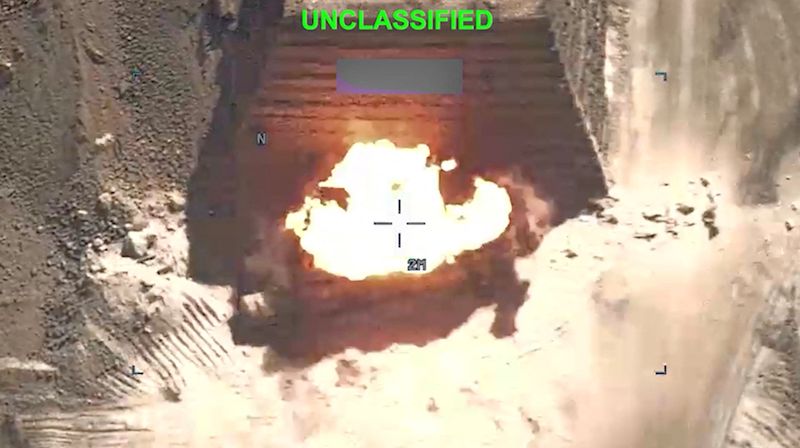
[Financial News] The Iran War, which began in February, has entered its worst phase amid continued U.S. airstrikes and threats from pro-Iran forces to blockade the Red Sea. The United States has issued a travel advisory for Americans overseas, while mediators have proposed a 10-day ceasefire.
The U.S. bombs Iran for 10 straight days, and Iran says it is a "full-scale war"
CENTCOM, which is in charge of U.S. operations in Iran, posted on X on the 20th local time that it would carry out airstrikes on Iran. About five hours later, it announced that the strikes had ended. CENTCOM said the operation was part of an effort to weaken Iran's ability to keep attacking merchant ships passing through the Strait of Hormuz. It added that the strikes hit Iran's military command centers, naval forces, missile and drone launch sites, and air defense systems. At the same time, it claimed that merchant shipping through the Strait of Hormuz was continuing.The two sides, which signed a memorandum to end the war on the 17th of last month and agreed to a 60-day ceasefire, are now at war. After airstrikes on Iran on the 26th and 27th of last month, the United States bombed Iran again on the 7th and 9th of this month, then carried out strikes for 10 consecutive days from the 11th through the 20th. U.S. President Donald Trump had already notified Congress of the resumption of combat on the 10th.
On the 20th, Iranian President Masoud Pezeshkian said at a Supreme Judicial Council meeting in Tehran that "the reality is that Iran is now fighting a full-scale war." He added that "this war is no longer being fought only with missiles." In the early hours of the 21st, the Iranian military fired missiles at a U.S. base in Kuwait.
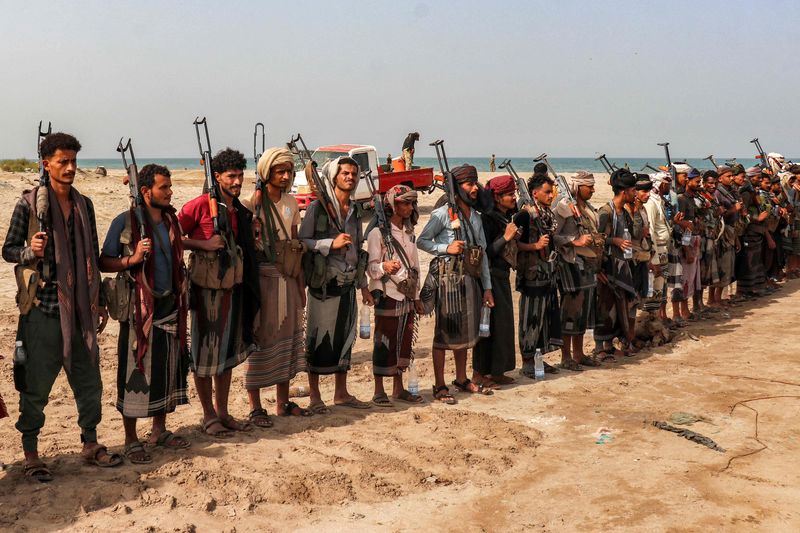
Houthi rebels in Yemen, which borders the Bab-el-Mandeb Strait, also moved into action. Backed by Iran, the Houthi rebels issued a statement through a spokesman on the 20th, referring to Saudi Arabia, a leading pro-U.S. country and the leading Sunni Islamic power. They then declared a maritime blockade against "the criminal state of Saudi Arabia." The Bab-el-Mandeb Strait connects the Red Sea and the Arabian Sea, and about 10% of global maritime oil shipments pass through it. Oil experts say the Bab-el-Mandeb carries less oil traffic than the Strait of Hormuz, which handles 20% to 25%, but if both straits are blocked, international oil prices, now near $90 per barrel, could jump to $120.
U.S. casualties are mounting, but hope for a ceasefire remains
As the Iran War drags on, both soldiers and civilians in the United States are facing growing risks. According to The New York Times (NYT), from the start of the war on February 28 through the end of June, the U.S. military recorded 14 deaths and 427 injuries. In July, three U.S. soldiers were killed in Iranian retaliatory airstrikes, and one died while handling unexploded ordnance. Sean Parnell, the chief spokesman for the U.S. Department of Defense, said in a CBS interview on the 20th that "about 100 people have been considered injured to some degree since July 7." He said 96% of the injured had returned to duty. He added that "most of the injuries were minor concussions." The NYT said the department has avoided releasing specific casualty figures.The State Department also issued a travel advisory on the 20th for Americans staying around the world. It said Americans in the Middle East should "prepare for flight cancellations, periodic airspace closures, and possible travel disruptions," and advised them to "check embassy and consulate security alerts, local government notices, and news updates frequently." It also warned Americans outside the Middle East that "U.S. diplomatic facilities outside the Middle East have also been targeted" and that "Iran and groups supporting Iran may target facilities and locations associated with the United States or Americans anywhere in the world."
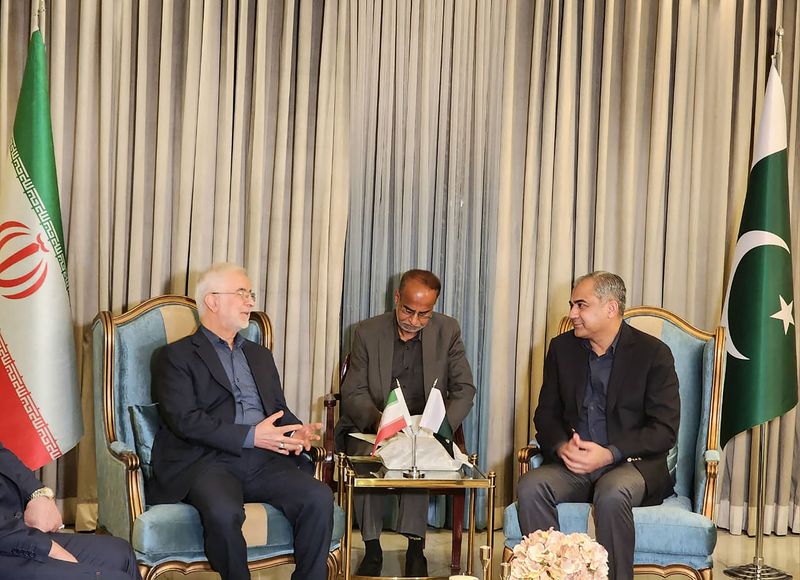
The mediators that helped secure last month's memorandum to end the war are still working to stop the clashes between the two sides. Axios reported on the 20th, citing sources, that Qatar, Egypt, and Pakistan had proposed a 10-day ceasefire to the United States and Iran. Esmail Baghaei, spokesman for Iran's Foreign Ministry, said at a briefing on the 20th that Iran had recently received proposals from mediators to ease tensions with the United States.
The 10-day ceasefire proposal includes a halt to hostilities and the reopening of the Strait of Hormuz. The United States and Iran would discuss how to manage the strait, including toll collection, during the 10-day period. A U.S. official said the United States could continue bombing Iran for several more days as retaliation for the deaths of U.S. service members.
Another U.S. official who spoke to CNN on the 20th said the military plans to deploy additional F-16 Fighting Falcon and F-35 fighter jets from Europe to the Middle East, along with more aerial refueling aircraft. An Israeli official also said that dozens of U.S. aerial refueling aircraft had arrived in Israel over the past few days.
[email protected] Park Jong-won Reporter