U.S. to Cut Reliance on Chinese Parts in Weapons Production
- Input
- 2026-07-21 09:31:51
- Updated
- 2026-07-21 09:31:51
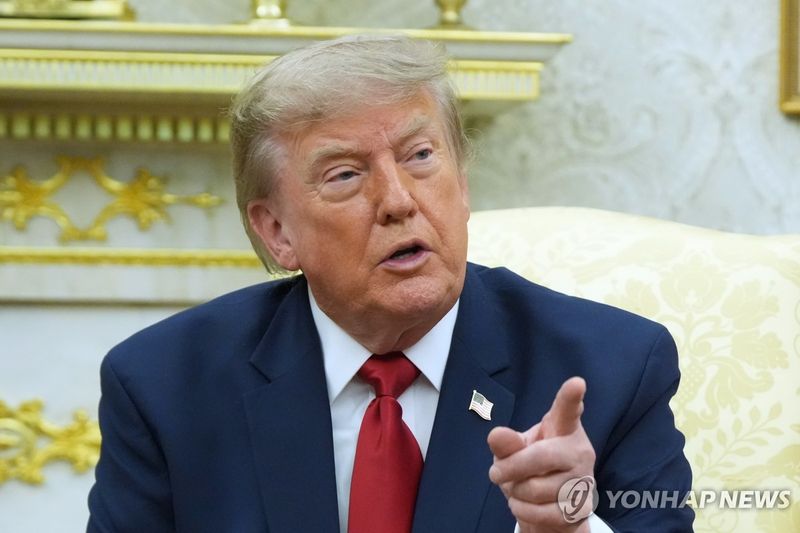
On the 20th local time, President Trump signed an executive order titled "Ensuring the Security of America’s Defense Supply Chain and Securing Domestic Sourcing of Critical Minerals." The order mainly requires stricter approval for exceptions when sensitive materials for weapons production are sourced from non-allied countries such as China, Russia, North Korea and Iran starting in January next year.
Under the order, defense supply chains are made up of multiple stages. So when contractors apply for exception approval, they must identify and explain every supplier involved at each stage. It will not be enough to say Chinese suppliers are the cheapest or easiest to secure. They must also prove they made sufficient efforts to obtain U.S.-made alternatives. If they conceal information and are caught, their contracts could be terminated.
The executive order also instructs the Secretary of Defense to establish rules so that core supply chains for national-security procurement items designated by the U.S. Department of Defense can be tracked systematically, from raw materials to final products. It also includes a provision requiring contractors that rely on materials or parts from unreliable foreign suppliers to quickly find compliant alternatives.
The executive order appears to reflect growing competition with China in areas such as critical minerals. It aims to tighten regulations so that opaque Chinese companies are not included in U.S. weapons supply chains, while also strengthening the self-reliance of the United States and its allies to catch up with China’s clear lead in critical mineral processing.
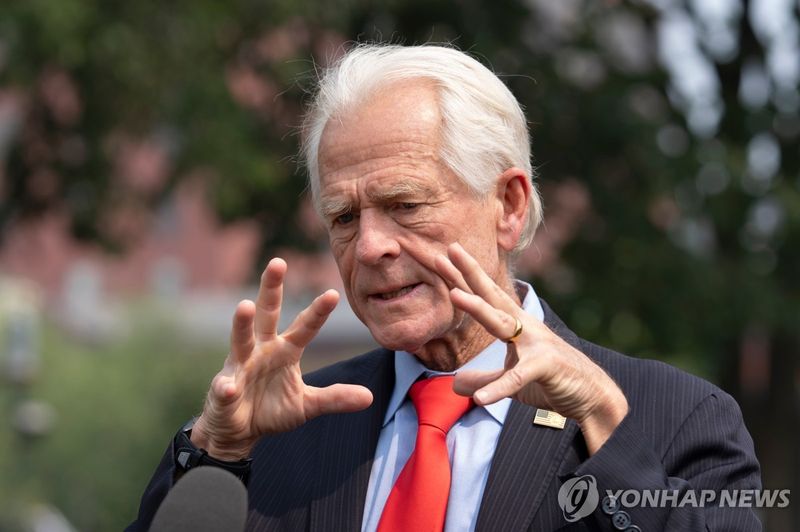
It also appears intended to reduce dependence on China as much as possible while U.S. defense contractors race to replenish American stockpiles depleted by the war with Iran. On germanium refining, Navarro said, "By the end of this year, the United States will have capacity equal to three times its domestic demand," adding, "Over time, we will be able to supply germanium to Europe, South Korea and Japan, which are facing China’s weaponization of critical minerals."
[email protected] Hong Chaewan Reporter