Oil prices reverse course as Iran says it may pursue talks with the United States for national interests
- Input
- 2026-07-21 01:07:32
- Updated
- 2026-07-21 01:07:32
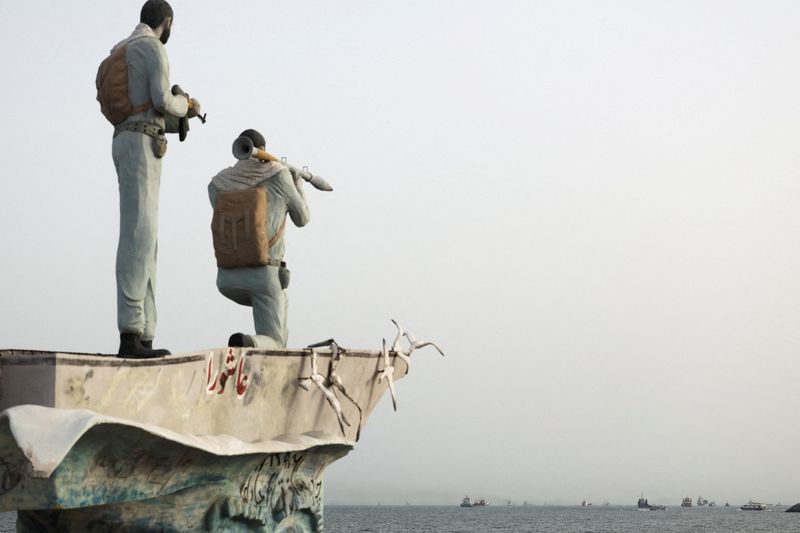
International oil prices turned lower on the 20th, local time. Iran's emphasis on dialogue with the United States helped curb the sharp rally in prices.
Brent Crude Oil for September delivery, the global benchmark, fell $0.88, or 1%, from the previous session to $88.10 a barrel in morning trading. Brent had briefly climbed above $90 a barrel overnight.
West Texas Intermediate crude oil (WTI) for August delivery, the U.S. benchmark, fell $0.25, or 0.3%, to $82.24 a barrel.
Expectations that the renewed tensions between the United States and Iran could still be resolved through diplomacy pushed oil prices lower.
According to CNBC, Iranian Foreign Ministry spokesman Esmail Baghaei said at a news conference that mediating countries have continued exchanging messages with Iran, even amid recent U.S. strikes and Iran's retaliatory attacks.
However, market anxiety has not eased.
There are growing concerns that the Red Sea could also be blocked after Yemen's Iran-backed Houthi rebels declared a maritime blockade on Saudi Arabia. The rebels have long sought to pressure the global economy by threatening to close the Bab el-Mandeb Strait, a key passage between the Red Sea and the Suez Canal.
In particular, the Red Sea has taken on a greater role as a crucial waterway for global oil supplies, while Iran holds the Strait of Hormuz.
That has fueled concerns that international oil prices could break above $100 a barrel.
Amrita Sen, founder of consulting firm Energy Aspects, said oil prices could climb back above $100 as traffic through the Strait of Hormuz has fallen sharply and global oil inventories are declining.
Sen told CNBC on the day that "the market is still complacent despite the recent sharp rise in oil prices."
Meanwhile, according to the American Automobile Association (AAA), gasoline prices at U.S. gas stations jumped back to around $4 per gallon on the day. It was the first time since the United States and Iran agreed on June 17 last month to reopen the Strait of Hormuz and observe a ceasefire.
[email protected] Song Kyung-jae Reporter